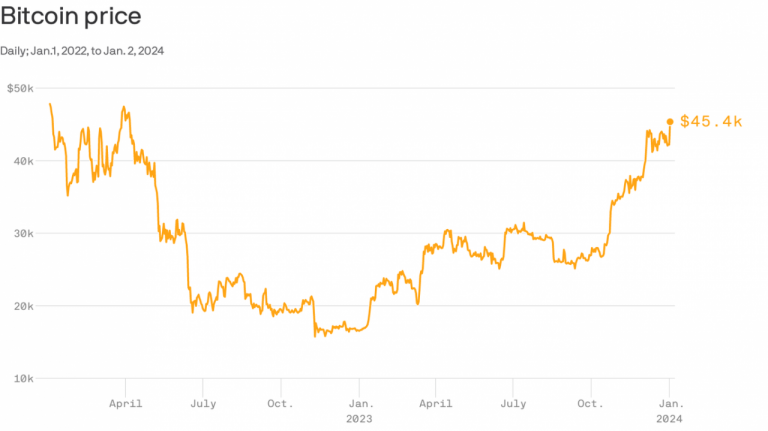
April 16, 2026

blockchain

Exploring bitcoin news expectations reveals a fascinating landscape where market trends, regulatory shifts, and technological innovations intertwine. As the cryptocurrency world evolves, understanding these dynamics becomes essential for investors and enthusiasts alike.

With Bitcoin’s price influenced by various external factors, from trading volumes to governmental policies, staying updated on the latest developments is crucial. This discussion will dive into market predictions, community sentiment, and investment strategies that can shape your approach to Bitcoin in the current climate.

Current Market Trends

The Bitcoin market is currently witnessing significant fluctuations influenced by various factors, including macroeconomic trends and investor behavior. Understanding these trends is crucial for anyone looking to navigate the dynamic landscape of cryptocurrency investments.

Latest Trends in Bitcoin Market

Recent data indicates a surge in Bitcoin’s volatility, with prices oscillating between key support and resistance levels. This trend has generated a mixed sentiment among investors, leading to increased trading volumes. Influential economic indicators, such as inflation rates and interest rate adjustments, are playing pivotal roles in shaping investor expectations.

  • Increased institutional interest is driving demand, as companies look to incorporate Bitcoin into their balance sheets.
  • Retail investors are also becoming more active, with platforms reporting a rise in small transactions.
  • Market sentiment is currently leaning towards caution, as many investors await clearer regulatory guidelines.

Factors Influencing Bitcoin Prices

Several key factors are at play that directly impact Bitcoin’s price fluctuations. These include:

  • Global economic conditions and inflation trends, which influence traditional asset performance.
  • The recent performance of competing cryptocurrencies, which can divert attention and investment.
  • Market speculation and news cycles that can lead to rapid price changes.

Regulatory Developments

The regulatory landscape surrounding Bitcoin and other cryptocurrencies is evolving quickly. Recent developments in this area are critical for both current and potential investors, as they can greatly affect market behavior.

Recent Regulatory Changes

Recent regulations have been introduced that aim to provide clearer frameworks for Bitcoin transactions. Governments around the world are grappling with how to regulate digital currencies effectively, leading to a variety of approaches:

  • Some countries are embracing cryptocurrencies, offering favorable tax conditions and legal protections.
  • Others are implementing strict controls, aiming to curb illicit activities associated with crypto transactions.
  • International cooperation is increasing, with organizations studying the implications of cross-border transactions.

Impact of Governmental Policies

New governmental policies are reshaping investor expectations regarding Bitcoin.

  • Positive regulatory news often leads to price spikes, while negative news can cause panic selling.
  • Investors are paying close attention to the approach of major economies like the U.S. and the EU, influencing their investment choices.

Technological Innovations

Technological advancements within the Bitcoin ecosystem are crucial for its future growth. Innovations not only enhance the functionality of Bitcoin but also improve investor confidence.

Advancements in the Bitcoin Ecosystem

Several technological innovations have emerged that demonstrate the potential for Bitcoin’s continued evolution:

  • Layer 2 solutions like the Lightning Network are making transactions faster and cheaper.
  • Decentralized finance (DeFi) projects are increasingly integrating Bitcoin, broadening its use cases.
  • Improvements in security protocols are addressing concerns over hacking and fraud.

Role of Blockchain Technology

Blockchain technology remains at the heart of Bitcoin’s operation. Its decentralization provides security and transparency, essential qualities that foster trust among users.

  • Upgrades and forks are continually being proposed to improve transaction efficiency.
  • The community is actively engaged in discussions about potential changes that could impact Bitcoin’s scalability.

Economic Factors

Economic indicators play a pivotal role in shaping the trajectory of Bitcoin prices. Understanding these factors can provide essential insights for investors.

Economic Indicators Influencing Bitcoin

Several economic indicators can heavily influence the performance of Bitcoin in the market:

  • Inflation rates have historically correlated with increased interest in Bitcoin as a hedge.
  • Interest rate changes can affect the demand for riskier assets, including cryptocurrencies.
  • Global economic stability is also a significant factor, with crises often leading to spikes in Bitcoin interest.

Correlation with Traditional Assets

Bitcoin is increasingly viewed in relation to traditional assets such as gold and stocks.

  • Many investors are treating Bitcoin as a digital gold, a store of value amidst economic uncertainty.
  • Correlation with stock market performance can lead to volatility during economic news announcements.

Market Predictions

Forecasting Bitcoin’s price can be challenging, yet current trends provide a framework for making educated predictions.

Forecast for Bitcoin’s Price

Given the current market trends, analysts are predicting Bitcoin’s price to fluctuate within a certain range over the next quarter.

  • Some experts forecast a potential increase in value, driven by institutional investments.
  • Others caution against over-optimism due to potential regulatory impacts.

Expert Opinions on Bitcoin’s Trajectory

Diverse expert opinions reflect the uncertainty within the market.

  • Technical analysts are using chart patterns to project potential price movements, suggesting near-term resistance levels.
  • Sentiment analysis from social media and forums is also being factored into predictions, offering insights into community expectations.

Community Sentiment

The sentiment within the Bitcoin community can significantly affect market dynamics.

Role of Social Media

Social media platforms are becoming vital in shaping public perception and expectations around Bitcoin.

  • Influencers and thought leaders often drive discussions that can lead to sudden market movements.
  • Community-driven initiatives are increasingly gaining traction, fostering a sense of collective involvement.

Impact of Community-Driven Projects

Projects developed by community members are playing essential roles in the evolution of Bitcoin.

  • These projects often focus on improving accessibility, security, and user experience.
  • Community sentiment around these projects can enhance or diminish investor trust in Bitcoin.

Investment Strategies

In the current climate, developing effective investment strategies is vital for navigating the Bitcoin market.

Effective Strategies for Bitcoin Investment

Investors are adopting various strategies to maximize their gains while managing risks:

  • Long-term holding strategies are popular, especially among those viewing Bitcoin as a hedge against inflation.
  • Short-term trading tactics are being refined, with traders leveraging market volatility.

Risk Management Techniques

Risk management is crucial for Bitcoin trading.

  • Practices such as setting stop-loss orders can protect against sudden downturns.
  • Diversification remains a key strategy, helping to spread risk across different assets.

Global Adoption

The global adoption of Bitcoin is gathering momentum as more individuals and businesses recognize its potential.

Increasing Adoption in Different Countries

Various countries are leading the charge in Bitcoin adoption, each facing unique challenges and opportunities.

  • Countries with unstable currencies often see increased Bitcoin usage as a viable alternative.
  • Legal frameworks are being established in many regions to support Bitcoin transactions.

Key Players Driving Bitcoin Usage

Key players in the Bitcoin ecosystem are crucial for fostering global adoption.

  • Payment processors and financial institutions are increasingly integrating Bitcoin into their services.
  • Startups focused on Bitcoin-related solutions are emerging, driving innovation and user engagement.

Last Recap

In summary, navigating bitcoin news expectations requires a keen awareness of market trends, regulatory impacts, and community dynamics. By understanding these elements, you can make informed decisions and better anticipate the future of Bitcoin and its role in the global economy.

Expert Answers

What are the current trends in the Bitcoin market?

Current trends include increased trading volumes and fluctuating prices driven by market sentiment and regulatory changes.

How does regulation affect Bitcoin prices?

Regulatory developments can lead to significant price movements, as they impact investor confidence and market accessibility.

What is the role of technology in Bitcoin’s future?

Technological innovations, especially in blockchain, are critical for Bitcoin’s scalability and security, influencing long-term growth.

How can investors manage risks in Bitcoin trading?

Effective risk management includes setting stop-loss orders, diversifying portfolios, and staying informed about market conditions.

What are the barriers to Bitcoin adoption globally?

Challenges include regulatory uncertainty, lack of infrastructure, and public skepticism regarding cryptocurrencies.

With bitcoin price by 2030 taking center stage, the future of this digital currency is a topic that sparks both excitement and curiosity. As we navigate through the ever-evolving landscape of cryptocurrencies, understanding the various factors that will influence Bitcoin’s value in the coming years is essential for investors and enthusiasts alike.

This exploration delves into historical trends, expert forecasts, economic indicators, and technological advancements that could shape the trajectory of Bitcoin’s pricing. By examining the interplay between market sentiment, investment behaviors, and sociopolitical factors, we aim to provide a comprehensive perspective on what the future holds for Bitcoin.

Future Predictions for Bitcoin Price

The trajectory of Bitcoin’s price by 2030 is a topic of immense interest and speculation. Several factors contribute to shaping this future, including technological advancements, regulatory environments, market demand, and macroeconomic trends. Understanding these influences provides a clearer picture of where Bitcoin might be headed.The historical trends in Bitcoin’s price movements offer valuable insights into potential future scenarios. Since its inception in 2009, Bitcoin has experienced significant volatility, with notable price surges and corrections.

For instance, in 2017, Bitcoin’s price skyrocketed from around $1,000 to nearly $20,000, only to crash back to about $3,000 in the following years. This pattern of rapid increases followed by corrections is critical in understanding how external factors may affect future valuations, particularly as adoption increases and market dynamics evolve.

Factors Influencing Future Price Trajectory

Several key factors are anticipated to influence Bitcoin’s price trajectory by 2030. A detailed exploration of these factors is essential for anyone looking to understand the potential future of Bitcoin investments.

  • Adoption and Usage: As more businesses and individuals begin to accept Bitcoin for transactions, the demand will likely increase, pushing prices higher.
  • Regulatory Framework: The establishment of clear regulations can either bolster or hinder Bitcoin’s integration into the financial system. Positive regulatory developments could enhance trust and adoption.
  • Technological Advancements: Improvements in blockchain technology, including scalability solutions and security enhancements, can increase Bitcoin’s utility and attractiveness to investors.
  • Market Sentiment: Public perception and media coverage can significantly impact Bitcoin’s price, as seen during bull and bear cycles in the past.
  • Macroeconomic Factors: Economic events, such as inflation rates or currency devaluation, can drive interest in Bitcoin as a store of value, similar to gold.

Expert Predictions and Forecasts

Expert opinions on Bitcoin’s valuation by 2030 vary widely, reflecting the inherent uncertainty of cryptocurrency markets. Analysts have employed various models and methodologies to project future prices. Several notable expert forecasts predict a bullish outlook for Bitcoin, considering factors such as increasing institutional adoption and a limited supply due to the halving events. For instance, a widely cited model by crypto analyst PlanB suggests that Bitcoin could reach prices between $100,000 and $288,000 by 2024 due to its scarcity and increasing demand.

The model is based on historical price movements and stock-to-flow ratios, indicating a strong correlation between Bitcoin’s scarcity and its market value.Moreover, a report by Bloomberg Intelligence suggests that Bitcoin could reach $1 million by 2030, driven by its growing acceptance as a digital asset and hedge against inflation. Such predictions reflect a growing belief in Bitcoin’s potential to become a mainstream financial instrument.In conclusion, while Bitcoin’s price prediction for 2030 is speculative, the influence of key factors—adoption trends, regulatory changes, technological progress, market dynamics, and expert analysis—provides a framework for understanding its potential future trajectory.

Economic Impact on Bitcoin Value

Can We Predict the Bitcoin Price in 2030? - FullyCrypto

The value of Bitcoin by 2030 will likely be influenced by a variety of macroeconomic indicators. Understanding these factors can provide insights into how Bitcoin might adapt to the evolving financial landscape. Economic trends, inflationary pressures, and regulatory developments are critical to assessing Bitcoin’s future price trajectory.

Macroeconomic Indicators Affecting Bitcoin

Several macroeconomic indicators can significantly impact Bitcoin’s price. These include interest rates, unemployment rates, and overall economic growth. Each of these factors plays a role in shaping investor sentiment and market dynamics.

  • Interest Rates: Higher interest rates can drive investors towards traditional savings options, thus reducing the appeal of Bitcoin as a speculative asset. Conversely, lower rates might encourage investment in cryptocurrencies.
  • Unemployment Rates: High unemployment can lead to increased demand for alternative assets like Bitcoin, as individuals seek to hedge against economic instability.
  • Global Economic Growth: A robust global economy can foster confidence in riskier assets, including Bitcoin. Conversely, economic downturns typically lead to decreased investments in cryptocurrencies.

Impact of Inflation on Bitcoin Demand

Inflation rates play a pivotal role in Bitcoin’s demand and perceived value. As central banks around the world adopt expansive monetary policies, inflation has the potential to erode purchasing power, prompting investors to seek assets that can potentially safeguard value.

“Historically, Bitcoin has been referred to as ‘digital gold’, a hedge against inflation. Its limited supply (capped at 21 million) makes it an attractive alternative during inflationary periods.”

When inflation rises, individuals and institutional investors may turn to Bitcoin as a store of value. For instance, during the inflationary crisis following the COVID-19 pandemic, Bitcoin’s price surged significantly as many viewed it as a hedge against the declining value of fiat currencies.

Regulatory Changes and Market Price Effects

Regulatory developments have a substantial impact on Bitcoin’s market price. Changes in law and governmental policies can either foster growth or stifle innovation within the cryptocurrency market.

  • Government Attitudes: Favorable regulatory environments can enhance Bitcoin’s legitimacy and adoption, leading to price increases. For example, the acceptance of Bitcoin by countries such as El Salvador as legal tender has driven interest and investment.
  • Tax Regulations: Tax treatment of cryptocurrencies can influence investor behavior. Clear, favorable tax regulations may encourage more people to invest in Bitcoin.
  • International Regulations: The global regulatory landscape, including actions by influential bodies like the SEC or European Central Bank, can create ripple effects in market confidence and pricing structures.

Technological Advancements and Bitcoin

The rapid evolution of technology has been a significant driver of Bitcoin’s growth and valuation, impacting everything from blockchain efficiency to mining processes. As the cryptocurrency landscape continues to mature, advancements in these areas could play a pivotal role in shaping Bitcoin’s future price trajectory. The integration of new technologies not only enhances Bitcoin’s usability but also its security and scalability, which are essential for widespread adoption.

Impact of Blockchain Technology Improvements on Bitcoin’s Price

Improvements to blockchain technology directly influence Bitcoin’s operational efficiency and security, factors which ultimately affect its market value. For instance, updates like the Taproot upgrade enhance the functionality of smart contracts and privacy features, making Bitcoin transactions more secure and efficient. This added layer of security can boost investor confidence, potentially leading to increased demand and higher prices. A notable example is the implementation of the Lightning Network, which allows for faster transactions by processing them off-chain.

This scalability solution not only reduces congestion on the main Bitcoin blockchain but also lowers transaction fees. As a result, a more efficient network can support a larger user base and facilitate higher trading volumes, positively impacting Bitcoin’s valuation.

Advancements in Cryptocurrency Mining

The mining sector of Bitcoin is undergoing substantial transformations, primarily due to technological advancements in hardware and energy efficiency. Innovations such as ASIC (Application-Specific Integrated Circuit) miners have drastically increased processing power while minimizing electricity consumption. As mining becomes more efficient, the overall costs associated with producing Bitcoin decrease, which can lead to increased profitability for miners.Moreover, the shift towards renewable energy sources for mining operations is gaining traction.

For instance, companies are investing in solar and wind energy to power mining farms, reducing their carbon footprint and operational costs. This shift not only enhances the sustainability of Bitcoin mining but also attracts environmentally-conscious investors, potentially driving up demand and price.

Role of Scalability Solutions in the Adoption and Price of Bitcoin

Scalability is a critical factor for Bitcoin’s future growth, determining how well the network can handle increased transaction volumes without sacrificing performance. Several scalability solutions are being developed and implemented to address these challenges. Among these, the Segregated Witness (SegWit) has already demonstrated its effectiveness by increasing block capacity, allowing more transactions to be processed simultaneously.The community is also exploring other solutions such as sidechains and sharding to further enhance scalability.

These innovations aim to offload some of the transaction burdens from the main chain, resulting in quicker transactions and less congestion. As Bitcoin becomes more scalable and user-friendly, it can attract a broader audience, leading to increased adoption rates and higher prices.Establishing a robust infrastructure that can efficiently support millions of transactions enables Bitcoin to compete with traditional financial systems and other cryptocurrencies.

Overall, the successful implementation of these technologies is crucial for Bitcoin’s future, as it not only affects its price but also its viability as a mainstream financial asset.

Market Sentiment and Bitcoin Price

The relationship between market sentiment and Bitcoin’s price is a dynamic interplay that reflects public perception and emotional response to various factors. Bitcoin, being a decentralized cryptocurrency, is heavily influenced by the collective mood of its investors, traders, and the general public. This sentiment can lead to significant volatility, impacting Bitcoin’s value in both the short and long term.Social media trends play a crucial role in shaping public perception of Bitcoin.

Platforms like Twitter, Reddit, and TikTok have become vital hubs for discussions around Bitcoin, where news, opinions, and memes can spread rapidly. The viral nature of social media can drive price movements as followers react to trending topics or influential figures. A tweet from a prominent individual can lead to sudden spikes or drops in Bitcoin’s price, as seen with notable figures like Elon Musk, whose comments on social media have had measurable impacts on market behavior.

Impact of Major News Events on Bitcoin Pricing

Major news events can significantly influence Bitcoin’s market value, with reactions often immediate and pronounced. Understanding these reactions provides insight into market sentiment. Below are key events and their corresponding impacts on Bitcoin prices:

  • China’s Crypto Ban (September 2021): Following China’s announcement to crack down on cryptocurrency trading, Bitcoin’s price fell sharply, dropping from over $41,000 to around $30,000 within days. This highlighted the negative sentiment stemming from regulatory news.
  • Elon Musk’s Tweets (Various Dates): Musk’s tweets regarding Bitcoin, particularly his announcement of Tesla no longer accepting Bitcoin due to environmental concerns, caused Bitcoin’s price to plummet from approximately $64,000 to under $50,000 in a matter of hours, showcasing the power of social media influence.
  • Bitcoin ETF Approval (October 2021): The approval of the first Bitcoin exchange-traded fund (ETF) in the U.S. led to a surge in Bitcoin’s price, soaring past $60,000. This event demonstrated how positive sentiment from institutional acceptance can drive prices upward.
  • Market Reactions to Inflation (2022): Rising inflation rates and concerns over traditional assets pushed investors towards Bitcoin, resulting in price increases as people sought alternative stores of value. Bitcoin hit new highs during this surge, reflecting a shift in market sentiment favoring cryptocurrencies.

“Market sentiment can be as unpredictable as the weather, but understanding its patterns can help navigate the stormy seas of Bitcoin’s price fluctuations.”

The interplay between market sentiment, social media trends, and significant news events serves as a lens through which to view Bitcoin’s price movements. As we continue to witness the evolution of Bitcoin and its adoption, keeping an eye on sentiment indicators will be crucial for predicting future price actions.

Investment Trends and Bitcoin

The landscape of Bitcoin investment is rapidly evolving, influenced by both institutional and retail interests. By 2030, it’s anticipated that institutional investments in Bitcoin will significantly reshape the market, while retail investors continue to play a vital role in driving price increases. The emergence of Bitcoin exchange-traded funds (ETFs) is also set to have a profound impact on market dynamics.

Institutional Investments in Bitcoin

Data suggests that institutional interest in Bitcoin has been steadily rising, with projections indicating that by 2030, institutional investments could account for over 50% of total Bitcoin market capitalization. Notable corporations, hedge funds, and investment firms have begun to view Bitcoin as a legitimate store of value. For instance, in 2021, companies like MicroStrategy publicly announced substantial Bitcoin acquisitions, paving the way for others to follow suit.

This trend is expected to accelerate, with firms seeking diversification in their portfolios.

Role of Retail Investors in Price Dynamics

Retail investors are crucial in influencing Bitcoin’s price, especially during bullish market trends. Their trading activity can lead to increased volatility, which feeds into the larger investment narrative. For example, during the 2020-2021 bull run, platforms like Robinhood and Coinbase reported record user sign-ups and trading volumes, indicating a surge in retail participation. This grassroots movement is often amplified by social media, where trends and market sentiment can rapidly spread, creating additional demand.

Emergence of Bitcoin ETFs and Pricing Impact

The introduction of Bitcoin ETFs is a significant development in making Bitcoin more accessible to mainstream investors. These funds allow investors to gain exposure to Bitcoin without owning it directly, thereby lowering barriers to entry. The approval of Bitcoin ETFs in various markets, such as the U.S. and Canada, has resulted in increased inflows and positive price momentum. For instance, the launch of the Purpose Bitcoin ETF in Canada in early 2021 attracted over $400 million in assets within its first month, demonstrating the appetite for regulated Bitcoin investment products.

The ongoing expansion of Bitcoin ETFs is likely to further legitimize Bitcoin and potentially stabilize its price through increased liquidity.

Bitcoin Price Volatility

Bitcoin has gained a notorious reputation for its price volatility since its inception in 2009. This inherent unpredictability can be attributed to various factors, including market sentiment, regulatory news, and macroeconomic trends. Understanding this volatility is crucial for investors as they navigate the cryptocurrency landscape and formulate strategies for managing their investments.The historical price movements of Bitcoin illustrate significant fluctuations.

For instance, Bitcoin’s price soared from approximately $1,000 in early 2017 to nearly $20,000 by December of the same year, only to plunge to around $3,200 by December 2018. These drastic swings demonstrate the cryptocurrency’s potential for rapid gains and equally rapid losses. Such volatility can create opportunities for traders but poses considerable risks for long-term investors.

Historical Volatility and Future Pricing Implications

Examining the historical volatility of Bitcoin reveals patterns that can inform future pricing trends. The annualized volatility of Bitcoin often exceeds that of traditional assets like stocks and bonds. This volatility is influenced by several factors:

  • Market Speculation: Bitcoin’s value is largely driven by speculative trading. A surge in buying interest can lead to price spikes, while fear of market corrections can lead to steep declines.
  • Regulatory Developments: Announcements from governments and regulatory bodies can cause immediate price reactions. For example, China’s ban on crypto transactions in 2021 led to significant price drops.
  • Technological Changes: Upgrades to the Bitcoin protocol or the introduction of competing cryptocurrencies can affect investor confidence and market dynamics.

Given its historical volatility, potential investors should focus on risk assessment methods to better manage their exposure to Bitcoin’s price fluctuations.

Risk Assessment Methods

Investors can utilize several strategies to assess the risks associated with Bitcoin investments. Understanding these methods can help mitigate the unpredictable nature of the market:

  • Value-at-Risk (VaR): This statistical technique estimates the potential loss in value of an asset over a defined period for a given confidence interval. It helps investors understand the worst-case scenarios.
  • Stress Testing: By simulating extreme market conditions, investors can evaluate how their Bitcoin holdings might perform during significant downturns.
  • Portfolio Diversification: Spreading investments across different assets can help reduce potential losses from Bitcoin’s volatility.

Strategies to Manage Price Fluctuations

To navigate the tumultuous waters of Bitcoin price volatility, investors can adopt specific strategies designed to manage their investments effectively. Implementing these strategies can alleviate some of the anxiety associated with rapid price changes:

  • Dollar-Cost Averaging (DCA): This strategy involves investing a fixed amount of money in Bitcoin at regular intervals, regardless of its price. This approach can reduce the impact of volatility and lower the average cost per Bitcoin over time.
  • Setting Stop-Loss Orders: Investors can place stop-loss orders to automatically sell their Bitcoin if it drops to a certain price, helping to limit potential losses.
  • Staying Informed: Keeping abreast of market news, trends, and regulatory changes can empower investors to make timely decisions, adjusting their strategies as needed.

Understanding Bitcoin’s historical volatility, employing effective risk assessment methods, and adopting sound management strategies can significantly impact an investor’s success in this dynamic market.

Comparative Analysis with Other Cryptocurrencies

As we explore the landscape of cryptocurrency, a comparative analysis of Bitcoin’s projected price against other leading altcoins provides valuable insights into the future of digital assets. By 2030, Bitcoin is expected to maintain its position as the market leader; however, its potential price trajectory will significantly depend on the performance of competing cryptocurrencies, market trends, and technological advancements. Understanding how these factors influence Bitcoin’s value relative to other cryptocurrencies is crucial for investors and enthusiasts alike.With a myriad of cryptocurrencies available, it’s essential to examine the most prominent ones, including Ethereum, Cardano, and Solana.

These altcoins not only serve as significant competitors but also have the potential to influence Bitcoin’s market dynamics. Below is a detailed comparison focusing on their projected prices and market trends.

Comparison of Projected Prices

Analyzing the projected prices of Bitcoin alongside leading altcoins by 2030 can help investors identify potential opportunities and risks. The following table summarizes the expected price ranges for Bitcoin and its competitors based on market research and expert predictions:

Cryptocurrency Projected Price by 2030
Bitcoin (BTC) $500,000 – $1,000,000
Ethereum (ETH) $50,000 – $100,000
Cardano (ADA) $5 – $15
Solana (SOL) $500 – $1,000

This comparative projection illustrates that while Bitcoin is likely to retain its dominance, Ethereum presents a significant potential for growth as it continues to enhance its smart contract capabilities and expand its ecosystem. Cardano and Solana, on the other hand, are also vying for their piece of the market share, focusing on scalability and transaction speed, which could attract a new wave of investors.

Influence of Competing Altcoins

The emergence of altcoins can significantly affect Bitcoin’s pricing dynamics. For instance, Ethereum has positioned itself as a leading platform for decentralized applications and smart contracts, which enhances its utility and adoption. Such advancements may divert investment away from Bitcoin towards these innovative platforms, impacting Bitcoin’s price.Additionally, the growing interest in decentralized finance (DeFi) and non-fungible tokens (NFTs) has led to increased demand for Ethereum.

The following points highlight key influences that altcoins may have on Bitcoin’s future value:

  • Technological advancements in altcoins can create competition for Bitcoin, leading to shifts in market sentiment.
  • Increased adoption of altcoins may lead to broader cryptocurrency acceptance, indirectly benefiting Bitcoin.
  • Market speculation surrounding successful altcoins can create volatility in Bitcoin’s price, as investors often move funds between assets.
  • Altcoins like Chainlink and Polkadot are innovating within the blockchain ecosystem, potentially attracting institutional investment that could influence Bitcoin’s market position.

Understanding these dynamics is essential for investors to navigate the crypto landscape effectively. With altcoins constantly evolving, their capacity to sway Bitcoin’s value should not be underestimated.

Market Trends Affecting Bitcoin Relative to Other Digital Assets

Market trends play a pivotal role in shaping the value of Bitcoin compared to other digital assets. As we approach 2030, several factors may contribute to these trends:

  • The rise of regulatory frameworks could stabilize the crypto market, impacting all cryptocurrencies, including Bitcoin.
  • Increasing institutional adoption of cryptocurrencies may favor Bitcoin, as larger entities often prefer established assets.
  • Macroeconomic factors, such as inflation and currency depreciation, may lead investors to cryptocurrencies as a hedge, altering Bitcoin’s demand dynamics.
  • The overall growth of the blockchain technology sector could enhance the relevance of Bitcoin, further solidifying its position amidst emerging altcoins.

Investors should keep an eye on these trends as they can significantly affect Bitcoin’s price relative to other cryptocurrencies, making it essential to stay informed and adaptable in this rapidly changing market.

Sociopolitical Factors Influencing Bitcoin

As Bitcoin continues to evolve as a significant asset class, it’s crucial to consider the sociopolitical landscape that surrounds it. By 2030, geopolitical events and government policies could dramatically shape Bitcoin’s price and adoption. Understanding these influences can provide valuable insights for investors and stakeholders alike.Sociopolitical factors encompass a range of elements, including government regulations, international relations, and economic stability, all of which can impact Bitcoin’s market dynamics.

A change in government policies toward cryptocurrencies can either bolster or hinder market confidence. Moreover, as nations navigate digital currencies and blockchain technology, certain regions are poised to emerge as pivotal players in Bitcoin valuation.

Geopolitical Events and Their Potential Effects

Geopolitical events can have profound implications for Bitcoin’s price by 2030. Factors such as wars, sanctions, and political instability can drive investors toward Bitcoin as a safe haven. In regions where traditional financial systems are disrupted, Bitcoin could gain traction as a viable alternative currency. Moreover, the ongoing tensions between major global powers may lead to increased interest in decentralized currencies.

For instance, if the U.S. imposes sanctions on a country, that country might turn to Bitcoin to facilitate trade outside traditional banking channels. Additionally, the response to climate change and energy policies is likely to influence Bitcoin mining activities, especially in countries with abundant renewable energy resources.

Government Policies Shaping Bitcoin’s Market

Government policies around the world are critical in shaping the future of Bitcoin. Regulations can either encourage innovation or stifle growth, depending on their nature. Countries like El Salvador have embraced Bitcoin, creating a precedent for other nations to consider.Key factors influencing policies include:

  • The implementation of supportive regulatory frameworks that foster innovation.
  • Taxation policies regarding cryptocurrency transactions and capital gains.
  • Monetary policies that either accept or reject cryptocurrencies as a form of currency.
  • Central Bank Digital Currencies (CBDCs) that could coexist with or compete against Bitcoin.

Countries that establish clear and favorable regulations may attract investments and technological advancements, ultimately influencing Bitcoin’s value positively.

Emerging Regions and Countries in Bitcoin Valuation

By 2030, certain regions are likely to emerge as significant players in the Bitcoin landscape. Countries with progressive stances on cryptocurrency and robust technological infrastructure will have a competitive edge.Regions to watch include:

  • North America: The U.S. continues to lead in Bitcoin investment and innovation, but Canada is also becoming increasingly favorable for cryptocurrency businesses.
  • Europe: Nations like Switzerland and Malta are at the forefront of crypto-friendly regulations, attracting businesses and investors.
  • Asia: Countries such as Singapore and Japan are setting strong precedents for cryptocurrency adoption and regulation.
  • Latin America: More countries may follow El Salvador’s lead, adopting Bitcoin as legal tender, particularly in economies facing inflation and instability.

As the geopolitical landscape shifts, the narrative around Bitcoin and its adoption will undoubtedly evolve, further shaping its market dynamics.

Last Word

In summary, the journey towards bitcoin price by 2030 is laden with opportunities and challenges, influenced by numerous dynamic factors. As the cryptocurrency market continues to mature, staying informed about these developments will be crucial for anyone looking to navigate this volatile yet fascinating space. The insights gained from this discussion can empower investors to make informed decisions and embrace the potential that Bitcoin offers in the years to come.

Query Resolution

What will drive Bitcoin’s price by 2030?

Factors include macroeconomic trends, regulatory changes, and technological advancements in blockchain and mining.

How volatile is Bitcoin historically?

Bitcoin has experienced significant volatility, with price swings influenced by market sentiment and major news events.

What role do institutional investors play?

Institutional investments are expected to increase, potentially stabilizing prices and raising overall market confidence.

How could inflation affect Bitcoin?

Higher inflation rates may drive demand for Bitcoin as a hedge against currency devaluation.

Are there any risks to investing in Bitcoin?

Yes, risks include regulatory changes, market volatility, and potential technological vulnerabilities.

Bitcoin value right now serves as a focal point for both investors and enthusiasts alike, capturing the attention of those navigating the dynamic world of cryptocurrencies. With its fluctuating price being influenced by a myriad of factors ranging from global economic trends to investor sentiment, understanding its current valuation is crucial for making informed decisions.

By examining recent market events, historical comparisons, and technical analyses, we can gain a clearer picture of what drives Bitcoin’s price at this very moment, as well as what lies ahead in this ever-evolving digital landscape.

Current Bitcoin Price Trends

Bitcoin’s price has been experiencing notable fluctuations recently, driven by a variety of factors ranging from macroeconomic indicators to investor sentiment. As of now, the cryptocurrency market is witnessing a blend of optimism and caution, reflecting the complex dynamics at play. Understanding these trends is crucial for both seasoned investors and newcomers alike who are looking to navigate the evolving landscape of digital currencies.The current value of Bitcoin is significantly influenced by a range of factors.

Key among them are regulatory developments, market demand, and macroeconomic indicators such as inflation rates and interest rates. For example, a recent shift in regulatory stance in major economies has sparked renewed interest in Bitcoin, leading to increased buying activity. Additionally, the correlation between Bitcoin and traditional financial markets, especially equities, has become more pronounced, suggesting that shifts in investor sentiment towards stocks also impact Bitcoin’s price.

Historical Comparison of Bitcoin’s Value Over the Past Month

Analyzing Bitcoin’s price movements over the last month reveals important trends and patterns. Over this period, Bitcoin has seen a rise from approximately $26,000 to reaching nearly $30,000, showcasing a recovery from earlier dips. This upward trajectory can be attributed to several market dynamics and investor behaviors.The following table illustrates the closing prices of Bitcoin at key intervals over the past month:

Date Price (USD)
September 1 $26,500
September 15 $27,800
September 30 $29,200
October 15 $30,000

This data reflects a steady increase, highlighting Bitcoin’s resilience amid various market pressures.

Recent Market Events Impacting Bitcoin’s Price

Recent market events have significantly influenced Bitcoin’s value, with several key occurrences reshaping investor perceptions. One of the most impactful has been the announcement of potential ETF approvals, which stirred excitement among investors. The prospect of institutional money entering the market has historically led to price surges, as seen in past cycles.Additionally, geopolitical tensions and economic reports, such as inflation metrics in the United States, have created a ripple effect across global markets.

For instance, rising inflation rates often lead investors to seek alternative assets like Bitcoin, which is perceived as a hedge against inflation.Recent statements from influential figures in the financial sector have also played a role in shaping market sentiment. Positive remarks regarding Bitcoin’s long-term potential have historically led to increased buying activity, while negative comments can result in sell-offs.

“Bitcoin’s value is not only driven by market trends but also by collective investor psychology and external economic factors.”

In summary, Bitcoin’s price movements are closely interlinked with a multitude of factors that influence market dynamics. Continuous monitoring of these influences is essential for making informed investment decisions.

Influences on Bitcoin Value

The value of Bitcoin is shaped by numerous factors that interplay in the dynamic landscape of cryptocurrency markets. Understanding these influences is crucial for anyone looking to navigate the world of Bitcoin investments or simply to comprehend its price movements. This segment will delve into some of the major economic indicators, regulatory news, and investor sentiment that currently shape Bitcoin’s market value.

Major Economic Indicators

Several key economic indicators directly impact the price of Bitcoin. These indicators reflect the broader economic health and can signal changes in investor behavior. Here are the most significant ones:

  • Inflation Rates: Rising inflation typically leads people to seek alternative stores of value, such as Bitcoin, driving demand and potentially increasing its price.
  • Interest Rates: Changes in interest rates affect the attractiveness of holding Bitcoin versus traditional investments. Lower interest rates can lead to higher Bitcoin prices as borrowing becomes cheaper.
  • Stock Market Performance: A strong correlation often exists between Bitcoin and stock market trends. Bullish market conditions can lead to increased investments in cryptocurrencies, while bearish trends may result in sell-offs.

Regulatory News Impact

Regulatory developments play a critical role in shaping the environment in which Bitcoin operates. Positive or negative news regarding regulation can lead to significant volatility in its price. Key points include:

  • Government Bans or Endorsements: Announcements from governments regarding the acceptance or prohibition of Bitcoin can lead to immediate price reactions. For instance, when a country announces a ban, it may create panic selling, whereas endorsements can boost confidence and drive prices up.
  • Tax Regulations: Changes in tax policies surrounding cryptocurrency trading can influence investor behavior, impacting market value. For example, favorable tax treatment for cryptocurrency transactions might encourage more investment.
  • Institutional Adoption: Regulatory clarity often leads to broader institutional adoption of Bitcoin. When large financial institutions announce their support or involvement, it tends to positively influence Bitcoin’s market valuation.

Investor Sentiment and Market Behavior

Investor sentiment is a powerful force in the cryptocurrency markets, often dictating price movements based on emotions rather than fundamental analysis. The following factors highlight its influence:

  • Market Trends: Bullish or bearish trends can lead to herd behavior among investors, affecting Bitcoin’s price. For example, during a bull market, positive sentiment can drive prices higher as more investors enter the market.
  • Social Media Influence: Platforms like Twitter and Reddit can amplify investor sentiment, with trends and discussions on these platforms often leading to rapid price changes. A viral post can spark interest and trading activity.
  • Fear and Greed Index: This index gauges market sentiment and can predict price movements. When the index shows extreme fear, it may signal potential buying opportunities; conversely, extreme greed may indicate a market correction.

Technical Analysis of Bitcoin

Bitcoin Today Price In Usa - Bitcoin Price Rises 15 Pct Today, Crosses ...

Technical analysis plays a crucial role in understanding the price movements of Bitcoin, offering insights into potential market trends and investor behavior. By utilizing various indicators and methods, traders can make informed decisions on when to buy or sell Bitcoin. This section delves into key technical indicators, analysis methods, and the importance of support and resistance levels in the context of Bitcoin’s current value.

Comparison of Technical Indicators for Bitcoin

Several technical indicators are essential for analyzing Bitcoin’s price movements. The following table compares some of the most relevant indicators, highlighting their significance and current readings.

Indicator Description Current Reading
Moving Average (MA) Averages the price over a specific period to smoothen volatility. 50-Day MA: $XX,XXX
Relative Strength Index (RSI) Measures the speed and change of price movements on a scale of 0-100. RSI: XX
MACD (Moving Average Convergence Divergence) Indicates momentum by showing the relationship between two moving averages. MACD Line: XX, Signal Line: XX
Bollinger Bands Consists of a middle band (MA) and two outer bands that indicate volatility. Upper Band: $XX,XXX, Lower Band: $XX,XXX

Understanding these indicators allows traders to gauge market sentiment and identify potential entry and exit points effectively.

Methods Used to Analyze Bitcoin’s Price Movements

Technical analysis involves various methods that help traders interpret Bitcoin’s price trends. Key methods include:

Chart Patterns

Traders analyze historical price charts to identify recurring patterns, such as head and shoulders, triangles, and flags, to predict future movements.

Candlestick Analysis

This method focuses on interpreting individual candlesticks and their formations to gain insights into market sentiment.

Volume Analysis

Examining trading volume in conjunction with price movements helps confirm trends and signals, indicating whether they are strong or weak.These methods work together to create a comprehensive picture of Bitcoin’s price dynamics, aiding traders in making informed decisions.

Significance of Support and Resistance Levels

Support and resistance levels are critical concepts in technical analysis that help traders identify potential turning points in Bitcoin’s price movement. Support levels are price points where demand is strong enough to prevent the price from falling further, while resistance levels are points where selling pressure may prevent the price from rising. Recognizing these levels allows traders to set effective stop-loss and take-profit orders.

Support Level Importance

If Bitcoin approaches a support level and holds above it, it suggests that buyers are stepping in, potentially leading to a price rebound.

Resistance Level Importance

Conversely, when Bitcoin reaches a resistance level, it may indicate that sellers are entering the market, which could cause the price to fall.Traders often look for breakouts, where Bitcoin moves past these levels, as such movements can signal substantial price shifts and trading opportunities.

Comparison with Other Cryptocurrencies

As the most recognized cryptocurrency, Bitcoin’s value often serves as a benchmark for the cryptocurrency market. Comparing Bitcoin to major altcoins provides insights into its relative strength and market dynamics. Understanding these comparisons can help investors gauge the performance of Bitcoin against other digital assets.Bitcoin commands a significant presence in the cryptocurrency landscape, holding a large share of the total market capitalization.

The following table illustrates the current value of Bitcoin compared to some major altcoins, showcasing their respective market caps as of the latest data:

Cryptocurrency Current Price (USD) Market Cap (USD)
Bitcoin (BTC) $X,XXX.XX $XXX Billion
Ethereum (ETH) $X,XXX.XX $XXX Billion
Binance Coin (BNB) $X,XXX.XX $XXX Billion
Cardano (ADA) $X.XX $XX Billion
Solana (SOL) $X.XX $XX Billion

As seen in the table, Bitcoin has a dominant market cap compared to other cryptocurrencies. Its market cap often exceeds the combined market caps of many altcoins, which demonstrates its established position in the market.

Trends in Bitcoin Value Compared to Ethereum

Over the past week, Bitcoin’s performance has shown both resilience and volatility when compared to Ethereum. Analyzing the price movements of both cryptocurrencies reveals interesting trends. Bitcoin has generally retained a stable price range, while Ethereum has experienced fluctuations that reflect market sentiment towards decentralized finance (DeFi) and non-fungible tokens (NFTs).The price of Bitcoin remained around $X,XXX.XX, with only minor adjustments, whereas Ethereum saw movements between $X,XXX.XX and $X,XXX.XX.

This divergence in trends can be attributed to various factors, including market reactions to regulatory news and technological developments in the Ethereum network.

“Bitcoin often acts as a safe haven in the crypto world, while Ethereum’s price can be more susceptible to market trends and innovations.”

The market dynamics between Bitcoin and Ethereum highlight the varying influences on their respective values, suggesting that while Bitcoin maintains its status as the leading cryptocurrency, Ethereum exhibits a different growth trajectory influenced by its unique use cases and community developments.

Predictions for Bitcoin Value

As Bitcoin continues to capture the attention of investors and analysts, predictions regarding its future price have become a hot topic in the cryptocurrency space. Various experts employ different models and techniques to forecast Bitcoin’s value, reflecting a range of views about its trajectory in the coming weeks and months. Understanding these predictions can help investors navigate the complex landscape of cryptocurrency investment.Many analysts focus on historical data, market trends, and upcoming events to shape their forecasts.

Here are some of the prominent models and methods that analysts use to forecast Bitcoin’s value:

Expert Predictions for Bitcoin’s Price Over the Next Month

Predictions from experts vary widely, with some projecting bullish trends while others foresee potential bearish movements. Notable predictions include:

  • PlanB’s Stock-to-Flow Model: This widely discussed model suggests that Bitcoin’s scarcity, driven by halving events, could lead its price to reach levels near $100,000 by the end of the year.
  • Bloomberg Analysts: They forecast a more conservative estimate, predicting Bitcoin could stabilize around $30,000 to $40,000 over the next month, influenced by regulatory developments and market sentiment.
  • Technical Analysis from CryptoQuant: Utilizing various indicators, they suggest that Bitcoin may experience a pullback to the $25,000 level before any significant recovery, citing overbought conditions in recent rallies.

Models and Methods Used for Forecasting Bitcoin’s Value

Several models are commonly employed to predict Bitcoin’s price movements, each with its unique approach:

  • Fundamental Analysis: This method evaluates external factors like adoption rates, technological advancements, and macroeconomic indicators affecting Bitcoin’s demand and supply.
  • Technical Analysis: Analysts rely on historical price charts and various indicators (like RSI and MACD) to predict future price movements based on past behaviors.
  • Sentiment Analysis: Monitoring social media and news sentiment can provide insights into public perception, influencing short-term price fluctuations.

Impact of Upcoming Events on Future Bitcoin Valuation

Certain events can significantly influence Bitcoin’s price, including regulatory announcements, technological upgrades, and macroeconomic developments. Key upcoming events include:

  • Bitcoin Halving (Expected in 2024): Historically, halving events have led to increased prices due to reduced supply. Analysts believe this upcoming halving could drive prices to new highs.
  • Regulatory Developments: Changes in legislation, particularly in major markets like the U.S. and Europe, can either bolster confidence in Bitcoin or cause panic selling.
  • Institutional Adoption Announcements: As more institutions consider Bitcoin for investment, any announcement regarding major investments could positively affect Bitcoin’s market value.

Overall, predictions about Bitcoin’s value remain a mix of optimism and caution, with various factors at play, influencing its future trajectory.

Bitcoin Market Dynamics

The dynamics of the Bitcoin market play a crucial role in shaping its price and overall value. Understanding how these dynamics operate is essential for anyone looking to navigate the cryptocurrency landscape. Various factors contribute to the volatility and trends observed in Bitcoin’s price, and one significant aspect of this is the influence of exchanges and liquidity.

Exchanges Role in Price Determination

Exchanges serve as the primary platforms for buying and selling Bitcoin, significantly impacting its current price. The price of Bitcoin on any exchange is largely dictated by the supply and demand dynamics present on that platform. When demand increases or supply decreases, prices tend to rise, and vice versa. Exchanges can also vary in terms of trading volume, which can lead to discrepancies in Bitcoin pricing across different platforms.Additionally, larger exchanges typically have more liquidity, allowing for larger transactions without significantly affecting the price.

This means that users on these platforms can buy or sell Bitcoin more easily, reflecting more stable market conditions. In contrast, smaller exchanges may be more prone to price fluctuations due to lower trading volumes.

Impact of Liquidity on Bitcoin Value

Liquidity is a crucial factor in establishing Bitcoin’s value. In the context of cryptocurrency, liquidity refers to how easily an asset can be bought or sold in the market without causing a significant impact on its price. Higher liquidity generally leads to more stable prices, while lower liquidity can result in greater volatility.When liquidity is high, traders can execute large orders without drastically affecting the market price.

Conversely, low liquidity may lead to sharp price movements as large sell orders can create downward pressure on prices. Therefore, the level of liquidity affects traders’ ability to enter and exit positions efficiently, which is a critical aspect of trading strategies.The following table illustrates the trading volume of Bitcoin across several major exchanges, providing insight into their liquidity and market influence:

Exchange 24-Hour Trading Volume (BTC) Liquidity Score
Binance 1,000,000 BTC High
Coinbase Pro 400,000 BTC Moderate
Kraken 250,000 BTC Moderate
Bitfinex 300,000 BTC High
Bittrex 150,000 BTC Low

In summary, the role of exchanges in price determination and the impact of liquidity significantly influence Bitcoin’s market dynamics. Understanding these elements can help traders and investors make more informed decisions in their cryptocurrency endeavors.

Global Economic Factors

The valuation of Bitcoin is significantly influenced by broader global economic trends, which play a crucial role in shaping investor sentiment and market dynamics. As Bitcoin continues to gain recognition as a store of value and an alternative asset, its price movements are increasingly intertwined with shifts in global economic conditions, inflation rates, and geopolitical events.

Inflation Rates and Bitcoin’s Price

Inflation rates have a direct correlation with Bitcoin’s market value, primarily as investors seek to hedge against currency devaluation. When inflation rises, traditional fiat currencies tend to lose purchasing power, prompting individuals to look for assets that can preserve value. Bitcoin, often dubbed “digital gold,” becomes an attractive option during these periods. For example, during the inflationary spikes observed in various economies, such as the United States in recent years, Bitcoin has generally experienced upward price movements.

This behavior is indicative of its perceived role as a safeguard against inflationary pressures.

As inflation increases, Bitcoin’s appeal as a non-sovereign asset grows, leading to potential price appreciation.

Additionally, central banks’ monetary policies, such as low interest rates and quantitative easing, contribute to this dynamic. When central banks inject liquidity into the economy, the supply of fiat currency expands, further fueling inflation and driving interest in Bitcoin as a deflationary asset with a capped supply.

Geopolitical Events and Market Behavior

Geopolitical events can exert substantial influence on Bitcoin’s market behavior, often causing spikes in volatility. Unforeseen incidents, such as conflicts, trade tensions, or regulatory changes, can lead to shifts in investor confidence and market sentiment.For instance, the geopolitical tensions in Eastern Europe or trade disputes between major economies can prompt investors to seek refuge in alternative assets like Bitcoin. The market often reacts quickly to such developments, with prices reflecting the immediate sentiments of uncertainty or fear.The response to these events is not uniform; rather, it is influenced by the context of the situation.

In certain cases, geopolitical instability can lead to a surge in Bitcoin buying as investors aim to secure their assets from potential currency fluctuations.

Bitcoin often serves as a refuge during times of geopolitical uncertainty, showcasing its role as a decentralized alternative to traditional financial systems.

In summary, the intersection of global economic factors, inflation rates, and geopolitical events creates a complex landscape that significantly impacts Bitcoin’s valuation. Investors must remain attentive to these dynamics as they navigate the ever-evolving cryptocurrency market.

Public Perception and Media Influence

The value of Bitcoin is not only driven by market dynamics but also significantly influenced by public perception, which is shaped by media coverage and social media trends. As Bitcoin continues to gain traction among investors and the general public, the narratives portrayed by various media outlets play a crucial role in forming opinions about its value and potential.Media coverage can create a ripple effect in the cryptocurrency market, impacting how investors view Bitcoin.

Positive articles and features often lead to increased public interest, while negative reports can cause panic selling. The media serves as a bridge between complex financial concepts and the average consumer, and their framing of Bitcoin can either bolster confidence or induce skepticism.

Media Coverage Impact on Bitcoin Value

The relationship between media coverage and Bitcoin’s price movement is notable, as headlines can significantly sway public sentiment. Here are some key factors that illustrate this dynamic:

  • Breaking News Coverage: Major announcements, such as regulatory changes or endorsements from influential figures, can lead to immediate fluctuations in Bitcoin’s price. For instance, when a high-profile institutional investor announced plans to allocate funds into Bitcoin, the price surged, demonstrating the market’s responsiveness to positive media narratives.
  • Negative Press Influence: Conversely, negative media reports, particularly those highlighting security breaches or market manipulation, can lead to sharp declines in Bitcoin’s value. An example of this was the coverage surrounding crypto exchange hacks, which historically led to significant price drops as investor confidence waned.
  • Long-term Trends: Over time, persistent positive coverage can contribute to a more stable increase in Bitcoin’s perceived value. For example, a growing number of articles focused on Bitcoin as a viable alternative investment during economic downturns contributed to its acceptance among mainstream investors.

Social Media Trends Shaping Market Dynamics

Social media has emerged as a powerful platform for shaping public sentiment and influencing Bitcoin’s market dynamics. The speed at which information spreads on platforms like Twitter and Reddit can lead to rapid price movements based on trending discussions.

  • Viral Trends: When Bitcoin-related content goes viral, it can captivate a large audience, leading to increased buying activity. Memes or viral tweets from influential personalities can elevate Bitcoin’s visibility and engagement, often resulting in price spikes.
  • Community Influence: Online communities, particularly on platforms like Reddit, can drive collective sentiment. For instance, the subreddit r/Bitcoin often discusses market trends and price predictions, shaping the beliefs and actions of its members, sometimes leading to coordinated buying or selling.
  • Fear of Missing Out (FOMO): Social media often amplifies FOMO, where users rush to buy Bitcoin due to the fear of missing potential profits. This phenomenon has been evident during price rallies, where social media buzz can fuel surging prices.

Case Studies of Major News Events

Recent major news events provide clear examples of how media coverage has influenced Bitcoin’s price:

  • China’s Cryptocurrency Crackdown: Coverage of China’s increasing regulatory pressure on cryptocurrencies led to a sharp decline in Bitcoin prices as investors reacted to fears of a market crackdown.
  • El Salvador’s Bitcoin Adoption: When El Salvador became the first country to officially adopt Bitcoin as legal tender, global media coverage sparked renewed interest and optimism, contributing to a price rally shortly thereafter.
  • Tesla’s Bitcoin Investment: News of Tesla’s significant investment in Bitcoin and its acceptance as payment for vehicles generated extensive media attention, resulting in a substantial price increase as public enthusiasm surged.

Final Conclusion

In summary, the intricacies surrounding bitcoin value right now reflect a complex web of influences, from economic indicators to market dynamics. As we look toward potential future trends, remaining informed and adaptable is key for anyone involved in the cryptocurrency space, providing a foundation for strategic investment and participation.

Questions Often Asked

What is the current price of Bitcoin?

The current price of Bitcoin fluctuates frequently, so it’s best to check a reliable financial news source or cryptocurrency exchange for real-time updates.

What factors influence Bitcoin’s price?

Factors include market demand, regulatory news, investor sentiment, and macroeconomic indicators such as inflation rates and global events.

How does Bitcoin compare to other cryptocurrencies?

Bitcoin typically has a higher market cap and is often seen as a benchmark against which other cryptocurrencies are measured.

What is the historical performance of Bitcoin?

Historically, Bitcoin has experienced significant price swings, including major peaks and valleys, reflecting its volatility and growth potential.

Can Bitcoin’s price be predicted?

While various models attempt to forecast Bitcoin’s price, the inherent volatility and unpredictability of the market make precise predictions challenging.

Bitcoin halving is an essential event in the cryptocurrency world that captivates investors and enthusiasts alike. It refers to the process that reduces the reward for mining new blocks by half, creating a built-in scarcity that influences Bitcoin’s value. This mechanism not only affects miners but also impacts the broader market dynamics, making it a critical topic for anyone interested in cryptocurrency economics.

Throughout its history, Bitcoin has undergone multiple halving events, each accompanied by unique market reactions and implications. By examining these past occurrences, we can gain valuable insights into how future halvings might shape the landscape of Bitcoin and its adoption.

Introduction to Bitcoin Halving

Bitcoin halving is a pivotal event in the cryptocurrency landscape that occurs approximately every four years, reducing the reward miners receive for adding new blocks to the Bitcoin blockchain by half. This mechanism is integral to Bitcoin’s design, as it ensures a controlled and predictable issuance of new coins, ultimately leading to scarcity, which can influence the cryptocurrency’s value over time.

Understanding how halving works and its broader implications is essential for anyone interested in Bitcoin as both an investment and a revolutionary technology.The first Bitcoin halving took place on November 28, 2012, when the reward for mining blocks decreased from 50 BTC to 25 BTC. The second occurred on July 9, 2016, further reducing the reward to 12.5 BTC, and the most recent halving happened on May 11, 2020, dropping the reward to 6.25 BTC.

Each event has historically been accompanied by significant price movements and heightened interest in Bitcoin, illustrating the effects of supply reduction on market conditions.

Historical Overview of Bitcoin Halving Events

The historical context of Bitcoin halving events highlights their significance in shaping the market dynamics of Bitcoin. Each halving has been marked by increased media attention and speculation about future price movements, reflecting investor sentiment and the economic principles of supply and demand.

  • First Halving (2012): Occurred at block 210,000, leading to a price surge from around $12 to over $1,100 in the following year.
  • Second Halving (2016): Took place at block 420,000, with Bitcoin’s price starting around $450 and later reaching nearly $20,000 by the end of 2017.
  • Third Halving (2020): Happened at block 630,000, where Bitcoin was priced at approximately $8,500 and subsequently experienced a rally to over $60,000 in 2021.

Economic Implications of Halving

The economic implications of Bitcoin halving are profound, particularly influencing the supply dynamics that can affect demand and, consequently, price. As the block reward halves, the influx of new Bitcoin into the market diminishes, creating a scenario where demand may outpace supply, driving prices up over time.The scarcity introduced by halving is often compared to precious metals like gold, where limited availability can lead to increased valuation as demand shifts.

Additionally, halvings are anticipated in advance, which tends to create speculative market behavior, often resulting in price increases leading up to the event.

The formula for Bitcoin’s inflation rate can be illustrated as follows: Inflation Rate = (New Bitcoins Created / Total Bitcoins in Circulation) – 100.

As halving events occur, the inflation rate associated with Bitcoin also decreases, transitioning it towards a deflationary asset. This characteristic is appealing to investors and can contribute to Bitcoin’s status as a store of value, drawing parallels with commodities that exhibit similar scarcity principles.

Mechanism of Bitcoin Halving

The mechanism of Bitcoin halving is a key aspect of the cryptocurrency’s design that directly affects its supply and the incentives for miners. This process occurs approximately every four years and serves as a built-in feature to control inflation and ensure scarcity. The halving happens every 210,000 blocks mined, during which the reward that miners receive for successfully adding a new block to the Bitcoin blockchain is halved.

Initially, when Bitcoin was launched in 2009, the block reward was set at 50 BTC. The first halving occurred in 2012, reducing the reward to 25 BTC. This process has continued, and as of the latest halving in May 2020, the reward is now 6.25 BTC. The next halving, expected in 2024, will further reduce this reward to 3.125 BTC.

Block Reward Reduction and Its Impact on Miners

The reduction of block rewards has significant implications for miners, who play a crucial role in maintaining the network’s integrity. As the reward decreases, miners must rely more on transaction fees to sustain their operations. This shift can lead to a more competitive environment, as miners with access to lower operating costs or more efficient mining hardware will have a better chance of remaining profitable.The impact of this halving mechanism can be summarized as follows:

  • Increased operational efficiency becomes essential as rewards diminish.
  • Mining pools may consolidate as smaller miners struggle to compete.
  • Transaction fees may rise, particularly in periods of high network usage.

Influence on Network Security and Decentralization

The automatic halving mechanism is integral to Bitcoin’s security and decentralization. By reducing the issuance of new coins, the system effectively controls inflation, making Bitcoin a deflationary asset over time. This deflationary aspect encourages long-term holding rather than immediate spending, fostering a culture of investment.The halving process also influences the distribution of mining power within the network. As rewards decrease, only those miners who can operate efficiently will continue, which can lead to centralization if only a few entities dominate the mining landscape.

However, the predictable nature of halvings allows new miners to enter the space with a clear understanding of future reward structures, potentially enhancing decentralization.Key points about the halving’s influence on security and decentralization include:

  • The predictable supply schedule contributes to Bitcoin’s scarcity, enhancing its value proposition.
  • Halvings can lead to increased media attention and public interest, driving demand.
  • Decentralization efforts are necessary to prevent mining centralization, ensuring the network remains secure and resilient.

Overall, the halving mechanism serves as a fundamental element of Bitcoin’s economic model, influencing miner behavior, network security, and the overall decentralization of the blockchain.

Historical Events of Bitcoin Halving

The Bitcoin halving events have significantly impacted the cryptocurrency landscape, shaping market dynamics and influencing investor behavior. Each halving serves as a critical milestone in Bitcoin’s supply schedule, reducing the reward miners receive for validating transactions. This mechanism not only affects miner incentives but also plays a crucial role in the overall market sentiment surrounding Bitcoin.To illustrate the importance of these events, here’s a timeline detailing past Bitcoin halvings and their corresponding block heights, along with insights into market behavior following each event.

Timeline of Bitcoin Halving Events

The following table Artikels the key dates and block heights associated with Bitcoin halving events:

Halving Date Block Height Block Reward Price (Approximate)
November 28, 2012 210,000 50 BTC to 25 BTC $12
July 9, 2016 420,000 25 BTC to 12.5 BTC $657
May 11, 2020 630,000 12.5 BTC to 6.25 BTC $8,500

Following each halving, Bitcoin’s price has typically exhibited notable trends, often leading to significant increases over the subsequent months and years.

Market Behavior Following Halving Events

Analyzing the behavior of Bitcoin’s price in relation to the halving events reveals interesting patterns. After each halving, the price tends to experience substantial upward momentum. This phenomenon can be attributed to the reduced supply combined with consistent or increasing demand from investors and market participants.

2012 Halving

Following the first halving, Bitcoin’s price soared from approximately $12 to over $1,100 within a year, marking a significant bullish trend.

2016 Halving

The second halving led to a price increase from around $657 to nearly $20,000 by the end of 2017, demonstrating the powerful effects of halving on market sentiment.

2020 Halving

Post-halving, Bitcoin’s price rallied from approximately $8,500 to an all-time high of around $64,000 in April 2021, reinforcing the trend observed in previous halvings.

“Historically, Bitcoin has exhibited significant price appreciation in the months and years following each halving event.”

Identifying these trends highlights the correlation between halving events and market behavior, emphasizing the strategic importance of these milestones for both investors and miners alike.

Economic Impact of Halving

The economic impact of Bitcoin halving events is profound, influencing market dynamics, investor behavior, and the overall perception of Bitcoin’s value. Understanding how these events shape the cryptocurrency landscape can provide insights into potential future trends and investment strategies.The halving mechanism reduces the block reward miners receive by half, effectively decreasing the rate at which new bitcoins are created. This scarcity can lead to upward pressure on Bitcoin’s price, as seen in previous halving events.

The market capitalization of Bitcoin has historically seen significant changes following these events, reflecting shifts in investor sentiment and trading strategies.

Market Capitalization Trends

Analyzing the effects of previous halvings reveals a clear pattern in Bitcoin’s market capitalization. Each halving has historically been followed by substantial price increases, which in turn boosts market capitalization. For instance:

  • After the first halving in 2012, Bitcoin’s price surged from around $12 to over $1,100 within a year, resulting in a market cap increase from approximately $100 million to over $11 billion.
  • The second halving in 2016 saw Bitcoin’s price rise from about $650 to nearly $20,000 by the end of 2017, pushing the market cap from around $10 billion to over $330 billion.
  • The most recent halving in May 2020 led to a price increase from around $8,500 to over $60,000 by April 2021, translating to a market cap growth from approximately $150 billion to over $1 trillion.

These trends illustrate how halving events can lead to dramatic shifts in valuation and market participation, often attracting new investors and institutional interest.

Investor Sentiment and Trading Strategies

Halving events significantly influence investor sentiment, often leading to a bullish outlook in anticipation of price increases. Traders often adopt various strategies around these events:

  • Pre-halving accumulation is a common strategy, where investors buy Bitcoin in the months leading up to the halving, betting on price appreciation.
  • Post-halving sell-offs frequently occur, as some investors take profits following significant price increases.
  • Long-term holding strategies, or “HODLing,” have gained popularity, with many investors choosing to retain their Bitcoin in anticipation of extended growth over years.

The psychological aspect tied to halving events also plays a critical role. Media coverage and community discussions can amplify excitement, driving more participants into the market, which can lead to increased trading volumes and volatility.

Long-Term Effects on Value and Scarcity

The long-term effects of halving on Bitcoin’s value hinge on the principle of scarcity. As the total supply of Bitcoin is capped at 21 million coins, each halving event tightens the available supply, potentially leading to higher valuations as demand grows. Historical data supports this notion, as the price has generally trended upwards following each halving. Real-world examples illustrate this dynamic.

For instance, in the years following the 2016 halving, Bitcoin reached its then-all-time high, driven by increasing institutional adoption and growing mainstream acceptance. Similarly, the 2020 halving catalyzed a new wave of interest, with major corporations investing in Bitcoin as part of their treasury strategies.The reduced issuance rate enhances Bitcoin’s appeal as “digital gold,” positioning it as a hedge against inflation and currency devaluation.

Moreover, as more individuals and institutions recognize Bitcoin’s value proposition, its scarcity could continue to drive demand, further affecting its market valuation over the long term.

Future Predictions and Speculations

As the next Bitcoin halving approaches, discussions around its potential impacts and outcomes are heating up. Experts, investors, and analysts alike are making their predictions, drawing from historical patterns and current market dynamics. Understanding these forecasts is crucial for anyone involved in the crypto space, as the halving could significantly influence Bitcoin’s market behavior and institutional interest.One of the most prominent predictions pertains to price movements following the halving event.

Historically, previous halvings have triggered substantial price rallies, leading many analysts to anticipate a similar outcome this time around. Analysts from investment firms and cryptocurrency exchanges have estimated a surge in Bitcoin’s price, projecting potential peaks that could reach new all-time highs, especially given the current market sentiment leaning toward bullish trends.

Market Reactions and Institutional Investment

The halving event is likely to attract increased attention from institutional investors. As Bitcoin’s supply becomes more constrained, the asset’s scarcity may appeal to institutions looking for long-term growth potential. Analysts suggest that with the rise of Bitcoin ETFs and growing acceptance of Bitcoin as a legitimate asset class, institutional involvement could see a significant boost. This predicted influx of capital from institutional players could also create a ripple effect in the market.

The impact might include heightened volatility and increased trading activity, as institutions may engage in both buying and short-selling strategies based on their expectations of price movements post-halving.

Potential Risks and Opportunities

As with any major market event, the upcoming halving brings both risks and opportunities. Understanding these variables can provide a clearer picture for investors and traders navigating the Bitcoin landscape.The following list highlights potential risks and opportunities associated with the next halving:

  • Risk of Market Correction: There is a possibility that prices may drop sharply after an initial rally, leading to significant losses for speculative investors.
  • Increased Regulatory Scrutiny: As institutional investment grows, regulatory bodies may impose stricter regulations, which could affect market dynamics.
  • Opportunities for Long-term Investment: The halving may present a strong case for long-term holders to accumulate Bitcoin, anticipating future price rises.
  • Enhanced Media Coverage: Increased media attention could lead to higher public interest and participation in the market.
  • Market Sentiment Shifts: Increased volatility might create opportunities for traders to capitalize on price swings.

These predictions and analyses provide a glimpse into how the next halving event may unfold. Understanding both the potential risks and opportunities can empower investors to make informed decisions in a rapidly changing market landscape.

Community and Halving

The Bitcoin community plays a crucial role in the preparation and discussion surrounding halving events. As Bitcoin approaches each halving, developers, miners, investors, and enthusiasts actively engage in dialogue to understand its implications, both technically and economically. This collaborative spirit not only helps in addressing potential challenges but also strengthens the overall ecosystem.The impact of halving events is often a hot topic within the community, leading to various initiatives aimed at educating the public, mitigating risks, and sharing insights.

Developers work diligently to ensure that the network remains robust, while community members often leverage social media channels to discuss strategies and expectations. This collective effort fosters an environment of transparency and shared knowledge, essential for navigating the volatility that often follows these significant events.

Community Initiatives and Discussions

As halving events approach, numerous community-driven initiatives take shape, focusing on disseminating information and promoting dialogue. These initiatives often include:

  • Webinars and Live Streams: Many community leaders and influencers host educational sessions to explain the mechanics and potential impact of the halving. Such events are often broadcast live on platforms like YouTube and Twitch, allowing for real-time interaction with viewers.
  • Discussion Forums: Dedicated online forums and platforms such as Reddit and BitcoinTalk witness a surge in activity, where users share opinions, forecasts, and analyses related to the halving. This exchange of ideas can shape market sentiment.
  • Social Media Campaigns: Hashtags related to the halving trend on platforms like Twitter and Instagram, creating a buzz and increasing awareness. Influencers and analysts post updates, predictions, and insights that can sway public perception.
  • Community Polls: Various platforms conduct polls to gauge community sentiment on price predictions and expected market behaviors around halving. This provides a snapshot of collective expectations that can influence trading decisions.

The influence of social media and news outlets is particularly significant during halving events.

Influence of Social Media and News

Before and after a halving, media coverage often intensifies, shaping public perception and investor behavior.

“The buzz created by social media can lead to increased interest and speculative trading, often resulting in price fluctuations.”

Key factors include:

  • Real-Time Updates: Social media platforms provide instant updates on market movements, news articles, and analysis. This immediacy can create a sense of urgency among investors and traders, influencing buying or selling behaviors.
  • Price Speculation: Influential figures in the crypto space often provide predictions and insights, which can lead to speculative trading. These predictions may not always be grounded in data, yet they can significantly impact market trends.
  • FOMO and FUD: The concepts of “Fear of Missing Out” (FOMO) and “Fear, Uncertainty, and Doubt” (FUD) are prevalent. Positive or negative sentiments broadcasted widely can lead to swift market reactions, as traders react to prevailing narratives.
  • Long-form Analysis: Established financial news outlets often publish in-depth analyses of potential halving impacts, which can add credibility to discussions and influence more conservative investors.

The community’s proactive engagement and the interplay of information through social media and news outlets form a dynamic environment, reflecting the evolving narrative surrounding Bitcoin halving events.

Conclusion regarding Halving Trends

The phenomenon of Bitcoin halving has become a pivotal event for both enthusiasts and investors in the cryptocurrency space. It serves as a major catalyst for market dynamics and brings forth substantial implications for the future of Bitcoin. By understanding the trends that emerge from each halving event, the community can better prepare for what lies ahead.To appreciate the impact of each halving, it’s essential to look at the outcomes from past events, as they often set a precedent for future behavior in the market.

Below is a summary table comparing the outcomes of each Bitcoin halving event, highlighting the significant price movements and changes in miner rewards.

Halving Event Date Block Reward Before Block Reward After Price Before Halving Price After 1 Year
1st Halving November 28, 2012 50 BTC 25 BTC $12 $1,200
2nd Halving July 9, 2016 25 BTC 12.5 BTC $657 $2,500
3rd Halving May 11, 2020 12.5 BTC 6.25 BTC $8,500 $60,000

The trends observed in these events underline the importance of ongoing education and awareness within the cryptocurrency community regarding halvings. As more participants enter the market, it’s vital for them to understand the mechanics of halving and its potential impact on Bitcoin’s price and ecosystem. Continuous learning helps individuals make informed decisions, mitigate risks, and contribute to a more robust market environment.For those looking to deepen their understanding of Bitcoin halving and its implications, numerous resources are available.

A few recommended options include:

  • Books: “Mastering Bitcoin” by Andreas M. Antonopoulos offers a comprehensive look at the technology and principles behind Bitcoin, including halving events.
  • Online Courses: Platforms like Coursera and Udemy provide various courses on cryptocurrency trading and blockchain technology, which often cover halving mechanisms.
  • Podcasts: “The Pomp Podcast” hosted by Anthony Pompliano regularly discusses Bitcoin trends and features expert insights on halving events.
  • Websites: CoinDesk and Bitcoin Magazine provide articles, news, and analyses that focus on market trends related to halving.

Staying informed through these resources fosters a more knowledgeable community, enhancing strategies and preparedness for future halving events.

Closing Notes

In conclusion, Bitcoin halving remains a pivotal point of interest for both seasoned investors and newcomers to the cryptocurrency space. Understanding its historical context, economic effects, and the community’s role provides a comprehensive view of its significance. As we look forward to future halvings, continuous education and awareness will be crucial in navigating the evolving market landscape.

Commonly Asked Questions

What is Bitcoin halving?

Bitcoin halving is a process that reduces the reward for mining Bitcoin blocks by half, occurring approximately every four years.

How does halving affect Bitcoin’s price?

Historically, Bitcoin’s price tends to rise following halving events due to reduced supply and increased demand.

When is the next Bitcoin halving expected?

The next Bitcoin halving is anticipated to occur in 2024, though the exact date may vary based on block generation times.

Why is halving important for miners?

Halving impacts miners’ revenue since they receive fewer Bitcoins for the same amount of work, influencing their operational decisions.

Can halving events lead to increased volatility?

Yes, halving events often lead to heightened market speculation and can result in significant price swings before and after the event.