April 16, 2026

affiliate marketing

Ready to monetize your online presence? Joining an affiliate program can be a lucrative way to earn passive income. This guide will walk you through the process, from understanding the fundamentals to choosing the right program, and ultimately building a thriving affiliate business.

Affiliate marketing leverages the power of recommendation. By partnering with businesses, you can promote their products or services and earn commissions on sales generated through your unique referral link. This approach offers flexibility, allowing you to integrate affiliate programs into your existing online presence, whether it’s a blog, social media, or YouTube channel.

Introduction to Affiliate Programs

Affiliate marketing is a performance-based marketing strategy where individuals or businesses (affiliates) promote other companies’ products or services and earn a commission for each sale or lead generated through their unique referral links. This mutually beneficial arrangement allows businesses to expand their reach and affiliates to earn income by leveraging their audience and expertise.This system creates a win-win scenario where affiliates are compensated for driving traffic and conversions, and businesses can tap into a broader customer base without significant upfront investment in marketing.

It’s a powerful tool for both parties, offering flexibility and potential for substantial returns.

How Affiliate Programs Work

Affiliate programs typically operate on a referral system. Affiliates are provided with unique tracking links or codes that identify them as the source of a sale or lead. When a customer clicks on an affiliate’s link and makes a purchase, the affiliate’s commission is triggered. This automated system ensures accurate tracking and payment.

Benefits of Affiliate Programs for Affiliates

Affiliate programs offer various benefits for individuals and businesses. For affiliates, these programs provide an opportunity to earn passive income, generate revenue from their existing online presence, and diversify their income streams. They can partner with brands they align with, promoting products or services that resonate with their audience. This fosters engagement with a target audience and builds credibility.

Benefits of Affiliate Programs for Businesses

For businesses, affiliate programs offer an effective method to expand their reach and attract new customers without the costs associated with traditional advertising. This approach allows them to leverage the existing networks and audiences of affiliates, resulting in a wider customer base and increased brand awareness.

Types of Affiliate Programs

Different affiliate programs employ various models. Understanding these variations is essential for both affiliates and businesses.

Type Description Example
Performance-Based Commission is paid based on specific actions taken by the customer, such as a sale, lead generation, or sign-up. A commission of $10 for every new customer signup.
Revenue-Sharing A percentage of the revenue generated from sales made through the affiliate’s link is paid as commission. A 10% commission on every product sold through the affiliate’s link.
Pay-Per-Click (PPC) Commission is earned when a customer clicks on the affiliate’s link, regardless of whether they make a purchase. $0.50 per click on an affiliate’s link.

Choosing the Right Affiliate Program

Join NS design affiliate program - NS DESIGN

Selecting the right affiliate program is crucial for maximizing your earning potential and aligning your efforts with a successful business model. A poorly chosen program can lead to wasted time and effort, while a well-chosen one can provide a consistent and rewarding income stream. Careful consideration and thorough research are key to making the right decision.Choosing the right affiliate program isn’t about simply picking the first one you find.

It requires a deep dive into the program’s offerings, its target audience, and its overall viability. A well-researched program aligns with your marketing style, audience, and goals, making it a valuable partner in your business journey.

Factors to Consider When Selecting an Affiliate Program

Affiliate programs vary greatly in their offerings. To ensure a suitable fit, consider factors like the program’s commission structure, the products or services being promoted, and the target audience. Understanding the niche and market dynamics is vital. High-quality products and services, strong brand recognition, and a supportive affiliate program are all positive indicators. Moreover, consider the program’s track record, customer reviews, and the overall market reputation of the company.

Researching and Evaluating Potential Affiliate Programs

Thorough research is essential before committing to any affiliate program. Begin by identifying potential programs relevant to your niche or target audience. Review the program’s terms and conditions, including commission rates, payment schedules, and any restrictions. Look for transparent communication and clear guidelines. Check reviews from other affiliates to understand the program’s performance and the support provided.

Analyzing the program’s website and social media presence can reveal valuable insights into its brand image and market engagement. Finally, consider the program’s long-term viability and potential for sustained growth.

Comparing Affiliate Program Structures and Compensation Models

Affiliate programs utilize diverse compensation structures and models. Some offer fixed commissions per sale, while others use tiered structures, bonuses, or recurring commissions. The compensation model greatly influences potential earnings. For example, a program offering high commission rates on high-ticket items may be more lucrative, but also require a larger conversion rate to match a program offering lower rates on smaller items.

The best approach depends on your sales strategy and target audience. Understand how these models will fit with your current marketing and sales strategies.

Step-by-Step Process for Choosing the Ideal Affiliate Program

This process guides you in finding the ideal affiliate program for your needs:

  1. Define your niche and target audience. This helps identify programs that cater to your specific market. For instance, if you target tech-savvy millennials, programs focused on tech products or services are more suitable.
  2. Identify potential affiliate programs relevant to your niche. Use search engines and industry directories to find suitable options. Seek programs that align with your expertise and marketing style.
  3. Evaluate the program’s terms and conditions, including commission structure, payment schedule, and any restrictions. Understand the specific requirements for participation and compliance.
  4. Research the program’s products or services. Assess their market position, demand, and customer reviews. A successful product is a key indicator of a well-performing program.
  5. Check affiliate reviews and testimonials to gauge the program’s support and performance. Understanding the experiences of others can help you make informed decisions.
  6. Analyze the program’s overall market reputation and long-term viability. Assess the company’s commitment to its affiliates and its market standing.
  7. Select the program that best aligns with your business goals, target audience, and marketing strategies. Choose a program that you feel confident promoting and that provides a high likelihood of success.

Pros and Cons of Different Affiliate Program Platforms

Different affiliate program platforms offer varying advantages and disadvantages.

Platform Pros Cons
Amazon Associates Massive product selection, high traffic, established platform High competition, complex commission structure
ClickBank Wide variety of digital products, established payment system, high conversion rates High competition, limited product variety for certain niches
CJ Affiliate (formerly Commission Junction) Large network of brands, diverse products, excellent support for affiliates Can be more challenging to find suitable programs, high competition in some categories

Getting Started with Affiliate Programs

Starting your affiliate journey involves a series of steps. Understanding these initial procedures is crucial for a smooth transition and maximizing your potential earnings. From joining the program to managing your account, each stage plays a vital role in your success.Joining an affiliate program often requires completing a registration process. This process typically involves providing essential information and agreeing to the program’s terms and conditions.

Once accepted, you’ll need to carefully navigate the subsequent tasks to optimize your performance.

Initial Steps for Joining an Affiliate Program

The initial steps for joining an affiliate program are straightforward. Generally, you’ll need to complete a registration form, outlining your website or social media presence and your intentions. This is often followed by a review process.

  • Review the program’s terms and conditions carefully. This is critical to understanding the program’s rules, commission structures, and any restrictions. Pay close attention to reporting requirements and any specific guidelines for promotional activities.
  • Choose your desired affiliate program(s) and register for them. Select programs aligned with your niche and target audience.
  • Provide accurate and complete information during the registration process. Incorrect or incomplete data may hinder your acceptance or create issues later on.

Crucial Tasks After Joining an Affiliate Program

Post-registration, maintaining an active and compliant affiliate status is essential.

  • Promote affiliate products or services diligently. Create engaging content that effectively highlights the benefits and value proposition of the products or services. Be genuine and transparent in your promotion to build trust with your audience.
  • Track your performance and analyze results. Monitoring affiliate sales and website traffic can identify areas for improvement and optimize your strategies for higher conversion rates.
  • Maintain communication with the affiliate manager. This ensures prompt responses to queries, updates, and potential issues.
  • Adhere to the program’s guidelines. Ensure your marketing materials and practices are compliant with the program’s rules and regulations to avoid any penalties.

Setting Up an Affiliate Account

Setting up an affiliate account involves creating a profile that reflects your brand and presence.

  • Provide necessary details, including website URLs, social media profiles, and any relevant contact information. Accurate and up-to-date information is vital.
  • Set up your affiliate link(s). These unique links will track your referrals and enable you to monitor your performance.
  • Familiarize yourself with the affiliate program’s dashboard. The dashboard provides insights into your earnings, referrals, and other crucial metrics. Learning how to use the dashboard effectively will streamline your tracking and analysis.

Essential Documents for Program Participation

Certain documents might be required for program participation.

  • A valid business registration, if applicable, is sometimes necessary to verify your identity and legitimacy as a business entity.
  • Proof of website ownership, such as domain registration records, might be requested to validate your presence online.
  • A privacy policy and terms of service agreement, specific to your website, can demonstrate responsible practices and compliance with regulations.

Affiliate Program Registration Procedures

Different affiliate programs may have varied registration procedures.

Program Type Registration Procedure
Online Retail Typically involves submitting website information and completing a registration form.
Software/Services Often includes a form for account creation and validation of the target audience.
Digital Products Usually requires registration via the platform and an active presence in the related niche.

Promoting Affiliate Products

Successfully promoting affiliate products requires a strategic approach beyond simply listing links. It demands a comprehensive understanding of your audience, the products themselves, and the platforms best suited for reaching them. Effective promotion builds trust and fosters genuine connections, ultimately driving sales and boosting your affiliate income.Promoting affiliate products isn’t just about pushing links; it’s about building a relationship with your audience and showcasing how the products can benefit them.

This approach fosters trust and encourages conversions, leading to a more sustainable and rewarding affiliate marketing journey.

Effective Promotion Strategies

Effective promotion hinges on understanding your audience and tailoring your message to resonate with their needs and interests. Researching your target audience’s preferences and pain points allows you to craft content that directly addresses their concerns, making the promotion more engaging and impactful.

Advertising on Various Platforms

Different platforms cater to different audiences. Adapting your approach to each platform maximizes reach and engagement. For example, using visually engaging content on platforms like Instagram and Pinterest can be highly effective for showcasing products visually. Conversely, detailed blog posts or informative videos can effectively highlight product features on platforms like YouTube and your own website.

Building a Strong Affiliate Marketing Presence

A robust affiliate marketing presence involves consistent and high-quality content. This could include blog posts, social media updates, and videos, all designed to build trust and credibility. Regularly interacting with your audience through comments and messages strengthens the connection and builds a loyal following. This proactive approach is crucial for long-term success in affiliate marketing.

Creating Engaging Content

Engaging content is key to capturing and retaining your audience’s attention. It should offer value and solve problems related to the products you promote. Creating content that answers questions, provides helpful tips, or offers unique insights is essential to drawing your audience in.

Building Relationships with Your Audience

Building relationships with your audience is paramount to affiliate marketing success. This includes actively engaging in conversations, responding to comments, and fostering a sense of community around your content. Transparency and authenticity in your interactions will establish trust and loyalty, ultimately leading to increased sales and a stronger affiliate presence.

Content Formats for Promotion

Various content formats can be used to effectively promote affiliate products:

  • Blog Posts: Comprehensive blog posts provide in-depth information about a product, highlighting its benefits and addressing potential concerns. This detailed approach positions you as a knowledgeable resource, building trust and credibility with your audience.
  • Social Media Updates: Short, engaging updates on platforms like Twitter, Facebook, and Instagram can effectively showcase products and drive traffic to your affiliate links. Using eye-catching visuals and concise descriptions can maximize engagement on these platforms.
  • Videos: Videos are powerful tools for demonstrating product features and benefits in action. Using videos on platforms like YouTube or incorporating them into blog posts can provide a more immersive and engaging experience for your audience.
  • Case Studies: Real-life examples of how a product has benefited someone can be highly persuasive. Sharing success stories can create a sense of trust and encourage potential customers to consider the product.
  • Product Reviews: Thorough product reviews provide detailed information on a product’s features and performance, offering valuable insights to potential customers. A balanced and honest review is essential for building credibility.

Amazon Affiliate Program

The Amazon Associates program is a highly popular affiliate marketing platform that allows individuals and businesses to earn commissions by promoting Amazon products. Its vast product selection, established customer base, and user-friendly interface make it a lucrative option for affiliate marketers. This section delves into the specifics of the Amazon Associates program, comparing it to other platforms and providing practical guidance for success.The Amazon Associates program stands out due to its massive inventory of products, reaching a global audience.

It’s a well-established platform with a trusted brand, and this trust translates into higher consumer confidence when purchasing items promoted through the program. This provides a considerable advantage over newer, less-recognized affiliate programs.

Structure of the Amazon Associates Program

The Amazon Associates program is structured around a performance-based commission model. Affiliates earn commissions on qualifying sales made through their unique affiliate links. This structure directly ties earnings to the promotion’s effectiveness, creating an incentive to drive traffic and conversions.

Comparison with Other Affiliate Programs

Compared to other affiliate programs, Amazon Associates typically offers a wider selection of products, catering to diverse niches. However, commission rates might vary depending on the product category. Other programs may focus on a specific niche, offering higher commission rates on specific items, but they may lack the sheer volume and variety of Amazon’s product selection. This balance between volume and potential commission rates is a crucial factor in choosing the right affiliate program.

Signing Up for the Amazon Associates Program

Signing up for the Amazon Associates program is straightforward. Affiliates need to create an account and complete a simple application process. Once approved, they receive a unique affiliate ID and tools for tracking their earnings and performance. This streamlined process makes it accessible to individuals with limited experience in affiliate marketing.

Commission Structure

The commission structure varies based on the product category and is often disclosed within the program’s guidelines. Some products have higher commission rates than others. This commission structure ensures that both Amazon and its affiliates benefit from successful promotions. This dynamic system fosters collaboration and rewards effective marketing strategies.

Benefits and Drawbacks of Promoting Amazon Products

Promoting Amazon products offers significant advantages, including access to a vast product catalog, established customer base, and Amazon’s robust payment processing infrastructure. However, competition can be intense, and commission rates can be lower compared to other niche programs. A thorough understanding of these trade-offs is vital for success.

Best Practices for Promoting Amazon Products

Effective promotion strategies are crucial for maximizing earnings in the Amazon Associates program. Creating high-quality content, engaging with the target audience, and focusing on relevant s are essential for driving traffic and sales. Utilizing social media platforms and optimization techniques further enhances visibility and reach.

Tips for Success with the Amazon Associates Program

Developing a niche focus can enhance success. Creating high-quality content related to a specific product category allows for greater audience engagement and targeted marketing. Regularly monitoring performance metrics, such as click-through rates and conversion rates, allows for adjustments and optimizations to maximize results.

Key Features of the Amazon Associates Program

Feature Description
Vast Product Selection Offers a wide range of products across diverse categories.
Established Customer Base Leverages Amazon’s large and loyal customer base.
User-Friendly Interface Provides tools for tracking performance and managing affiliate links.
Performance-Based Commission Earnings are directly tied to sales generated through affiliate links.
Flexible Promotion Methods Allows for various promotional strategies, including content marketing and social media.

Tracking and Measuring Results

Monitoring affiliate marketing performance is crucial for optimizing campaigns and maximizing returns. Accurate tracking and analysis allow for informed adjustments to strategies, ensuring resources are allocated effectively and campaigns yield the best possible results. Understanding key metrics and employing the right tools are vital for success.

Methods for Tracking Affiliate Marketing Performance

Effective affiliate marketing hinges on meticulous tracking. This involves precisely recording actions, such as clicks, conversions, and sales, tied to specific affiliate links. Utilizing robust tracking tools is paramount to understand which marketing efforts drive the most valuable results. This data is the foundation for optimizing future strategies and allocating resources effectively.

Key Metrics for Measuring Campaign Success

Several key metrics are crucial for evaluating campaign success. These metrics include click-through rates (CTRs), conversion rates, and average order values (AOV). Analyzing these metrics offers a comprehensive understanding of campaign performance. Understanding the relationship between these metrics allows for targeted adjustments to optimize campaign effectiveness.

  • Click-Through Rates (CTR): This metric represents the percentage of people who click on an affiliate link after seeing it. A higher CTR indicates that the affiliate marketing materials are effective in attracting potential customers. For example, a high CTR suggests the promotional material, such as banner ads or social media posts, are engaging and compelling, leading to more clicks and potentially more conversions.

  • Conversion Rates: This metric measures the percentage of visitors who complete a desired action, such as making a purchase. A high conversion rate indicates that the affiliate marketing materials are effective in persuading visitors to take the desired action. A low conversion rate might indicate that the landing page needs improvement or that the product is not well-suited to the target audience.

  • Average Order Value (AOV): This metric represents the average amount spent per order. A higher AOV indicates that affiliate marketing campaigns are successful in attracting high-value customers. Understanding AOV is critical for optimizing marketing strategies and ensuring that the campaign resonates with the target audience and leads to profitable conversions.

Analyzing Data to Optimize Affiliate Marketing Efforts

Data analysis is critical for refining affiliate marketing strategies. It involves examining the data collected to identify trends, patterns, and areas for improvement. Analyzing the data allows for strategic adjustments to maximize returns. This process should involve a systematic approach to identifying strengths and weaknesses, ultimately improving campaign effectiveness.

Using Analytics Tools to Monitor Campaign Effectiveness

Numerous analytics tools are available to monitor campaign effectiveness. These tools provide detailed insights into campaign performance, including metrics like traffic sources, customer demographics, and conversion rates. Using these tools allows for a comprehensive view of campaign performance. The information derived from these tools facilitates strategic adjustments and resource allocation for enhanced campaign performance.

Tool Features Pros Cons
Google Analytics Website traffic, user behavior, conversion tracking Comprehensive, free, widely used, robust Steeper learning curve for beginners, requires some setup
ClickMagick Affiliate tracking, lead generation, sales tracking Specialized for affiliate marketing, in-depth reporting May have a higher cost compared to free alternatives
Leadfeeder Identify website visitors, track sales, understand customer journey Excellent for understanding customer behavior, actionable insights Can be more expensive than basic analytics tools
Affilinet Affiliate tracking, reporting, marketing optimization Excellent for managing and optimizing multiple affiliate programs Might require a subscription or account setup for certain features

Building a Successful Affiliate Business

Building a successful affiliate business requires more than just joining a program. It demands a strategic approach, consistent effort, and a deep understanding of the market. This involves identifying profitable niches, creating engaging content, and building a loyal audience that trusts your recommendations. A key element is fostering a sustainable and ethical business model.Developing a successful affiliate business is a marathon, not a sprint.

It’s about building a long-term presence and establishing trust with your audience. Consistent effort, understanding of the market, and a clear strategy are vital for sustainable success.

Essential Elements of Consistency and Persistence

Consistency is paramount in affiliate marketing. Regular posting, engaging with your audience, and maintaining a professional online presence are crucial for building trust and credibility. Persistence is equally important. Success doesn’t happen overnight; it’s the result of consistent effort over time. Challenges will inevitably arise, but persevering through them is essential for long-term growth.

Strategies for Growing Your Affiliate Network

Expanding your affiliate network is a key aspect of scaling your business. One strategy involves building relationships with complementary businesses. Collaborations can open doors to new audiences and opportunities. Diversifying your affiliate program offerings is also crucial. Expanding beyond a single platform allows you to reach a broader customer base and build a more resilient business.

Identifying your target audience’s needs and preferences is essential for choosing relevant affiliate programs.

Importance of Ethical Considerations in Affiliate Marketing

Transparency and honesty are critical in affiliate marketing. Disclosing affiliate relationships with your audience builds trust and maintains a strong ethical foundation. Avoid misleading or deceptive practices, and prioritize providing genuine value to your audience. This ethical approach builds a loyal following and fosters a sustainable business model. It’s essential to comply with all relevant regulations and guidelines for affiliate marketing in your region.

Examples of Successful Affiliate Marketers

Many successful affiliate marketers have established significant online presences. They have built strong communities and have a reputation for providing genuine value to their audience. These individuals often demonstrate a deep understanding of their target audience and use this knowledge to create compelling content that drives sales. They use various methods to connect with their audience, including social media, email marketing, and blog posts.

Analyzing the strategies of successful affiliate marketers can provide valuable insights for aspiring affiliates.

A Step-by-Step Guide to Building a Long-Term Affiliate Marketing Presence

  1. Niche Selection and Research: Thorough research into profitable niches is crucial for identifying areas with high demand and potential for affiliate marketing success. Analyze market trends, competitor analysis, and audience needs to determine the best niche to focus on.
  2. Building Your Online Presence: Creating a website or blog allows you to establish credibility and showcase your expertise in a specific niche. This platform is key for engaging your target audience and building trust.
  3. Content Creation and Optimization: Producing high-quality, engaging content is vital for attracting and retaining your audience. Optimize your content for search engines to improve visibility.
  4. Affiliate Program Selection: Carefully choose affiliate programs that align with your niche and target audience’s needs. Select programs with attractive commission structures and products that resonate with your audience.
  5. Building an Audience and Engagement: Engage with your audience through social media, email marketing, and other channels to foster relationships and build trust. Actively respond to comments and questions to nurture a loyal community.
  6. Monitoring and Adapting: Track your results closely and make necessary adjustments to your strategy. Analyzing data from your affiliate marketing efforts will allow for a more effective approach and greater potential for growth.

Final Review

In summary, joining an affiliate program can be a rewarding venture. By carefully selecting a program that aligns with your interests and audience, developing a strategic promotion plan, and diligently tracking your performance, you can build a successful affiliate business. The key is to focus on providing value to your audience while earning commissions. Remember, ethical practices and building genuine relationships are crucial for long-term success.

Quick FAQs

What are the typical commission structures in affiliate programs?

Commission structures vary significantly. Some programs pay a percentage of each sale, others use a tiered commission model based on sales volume, and some offer bonuses or incentives. It’s essential to carefully review the specific terms of the program you’re considering.

How do I track my affiliate marketing performance?

Many affiliate programs provide tracking tools to monitor clicks, conversions, and sales generated through your unique links. Tools like Google Analytics can also be used to gain insights into your affiliate marketing performance. Carefully reviewing these reports allows you to adjust your strategy and optimize your efforts for better results.

What are some common pitfalls to avoid when choosing an affiliate program?

Avoid programs with high upfront costs or unrealistic promises. Thoroughly research the reputation of the program and the products or services it offers. Look for programs with a solid track record and transparent commission structures. A clear understanding of the rules and policies is key to success.

What are some ethical considerations when promoting affiliate products?

Honesty and transparency are essential. Avoid misleading or deceptive advertising. Clearly disclose your affiliate relationships to maintain trust with your audience. Providing genuine value and recommendations are key.
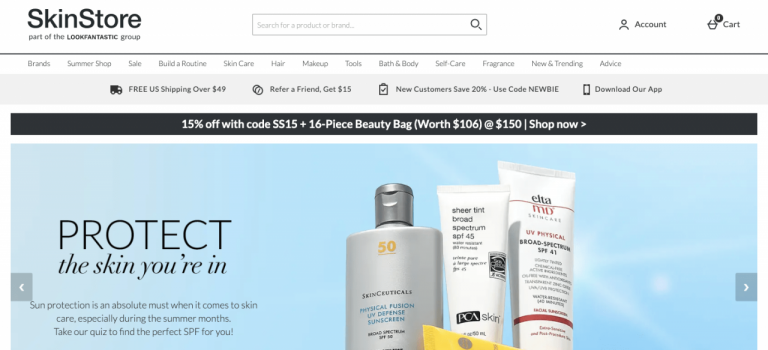
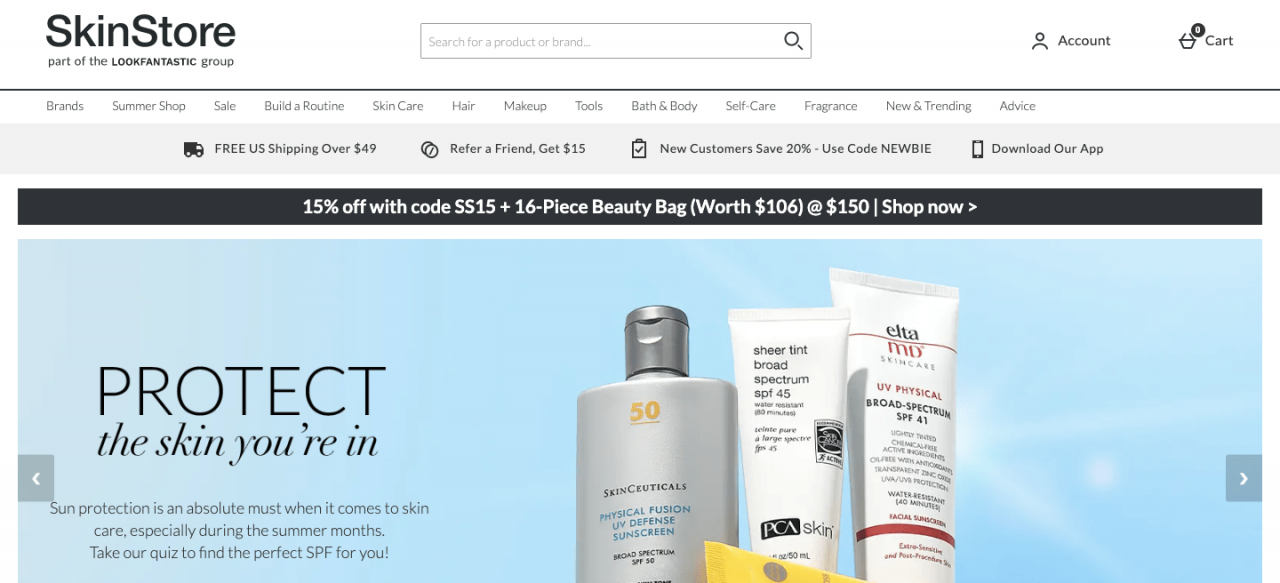
Looking for the best affiliate programs in the skincare niche in the US? This guide dives deep into the top programs, from established giants to emerging players. We’ll explore various options, highlighting key factors like commission structures, payout schedules, and required qualifications to help you make informed decisions.

Navigating the skincare affiliate landscape can be tricky. This resource will help you understand the nuances of different programs, focusing on factors like product type (anti-aging, acne treatment, etc.), and providing practical strategies for success.

Introduction to Skincare Affiliate Programs in the USA

Affiliate marketing in the skincare niche is a rapidly growing sector, leveraging the trust and expertise of online influencers and bloggers to drive sales. Brands benefit from increased visibility and wider reach, while consumers gain access to a vast array of products and expert recommendations. This mutually beneficial relationship often relies on affiliate programs, offering a structured framework for collaboration.Skincare affiliate programs empower both brands and individuals.

Brands gain a substantial return on investment by expanding their market presence through trusted influencers, while consumers benefit from personalized product recommendations and often discounted pricing. The key to success in this sector lies in transparency, quality content, and genuine product reviews.

Typical Structure of a Skincare Affiliate Program

Affiliate programs in the skincare industry typically follow a straightforward structure. Brands establish a platform for affiliates to sign up, outlining the program’s terms and conditions. These conditions often specify commission rates, acceptable marketing methods, and required disclosures. A crucial component is the tracking mechanism, allowing brands to monitor affiliate performance and sales directly attributed to their efforts.

  • Commission Structure: Commission rates vary widely depending on the product, brand, and affiliate’s performance. Some programs offer tiered commissions based on sales volume, while others might provide flat rates. The program’s structure clearly defines how commissions are calculated, and how they are paid.
  • Tracking Mechanisms: Essential for accurate attribution, these mechanisms use unique affiliate links or codes to monitor sales generated by each affiliate. Cookies, often used for tracking, allow for accurate reporting and transparent payment distribution.
  • Reporting and Payments: The program usually offers regular reporting, outlining the affiliate’s sales and earnings. Payment schedules are clearly defined, often adhering to industry standards for timely disbursement of commissions.

Key Metrics for Evaluating Affiliate Program Performance

Several key metrics are used to gauge the success of affiliate programs in the skincare niche. These metrics offer insights into program effectiveness and identify areas for improvement. Tracking and analyzing these metrics is vital for optimal performance.

  • Conversion Rate: This metric indicates the percentage of visitors who complete a purchase after clicking an affiliate link. High conversion rates suggest effective marketing strategies and compelling product presentations. For instance, a skincare brand with high conversion rates from a specific affiliate’s marketing materials might indicate a strong synergy between the brand and the influencer.
  • Click-Through Rate (CTR): This measures the percentage of users who click on an affiliate link compared to the total number of impressions. A high CTR suggests the affiliate’s content effectively attracts potential customers.
  • Average Order Value (AOV): This metric reflects the average amount spent per order by customers directed by a specific affiliate. Higher AOV indicates that the affiliate’s marketing strategies are successfully driving sales of higher-value products.

Benefits for Skincare Brands and Consumers

Affiliate marketing offers significant advantages for both skincare brands and consumers. It provides an effective and efficient method for reaching a wider audience.

  • Brands: Brands benefit from increased visibility and sales by partnering with trusted influencers. The cost-effectiveness of affiliate programs can be substantial compared to traditional advertising methods.
  • Consumers: Consumers benefit from personalized product recommendations, often through trusted voices and experts in the skincare industry. The accessibility of a wide range of products is a major advantage.

Top Skincare Affiliate Programs in the USA

Finding the right skincare affiliate program can significantly boost your earnings and expand your reach in the competitive beauty market. Choosing a program aligned with your niche and audience is crucial for maximizing your return on investment. This section delves into several prominent programs, comparing their commission structures, payout frequencies, and qualification requirements.

Prominent Skincare Affiliate Programs

Numerous reputable companies offer skincare affiliate programs. Choosing the right one depends on your specific goals and target audience. Five well-regarded programs are highlighted here.

  • The Ordinary: Known for its highly effective, yet budget-friendly, skincare products. Their affiliate program targets a broad audience, especially those seeking value-driven solutions for various skin concerns.
  • Paula’s Choice: A trusted brand specializing in scientifically-backed skincare. Their program appeals to customers interested in results-oriented products and those who value clear and concise information.
  • CeraVe: This program attracts customers looking for reliable and clinically proven skincare. Their wide range of products caters to a broad spectrum of skin types and concerns.
  • Drunk Elephant: Their affiliate program targets customers who appreciate high-quality, effective, and often luxurious skincare solutions. This program often resonates with customers seeking premium ingredients and unique formulations.
  • La Roche-Posay: This program caters to customers looking for sensitive skin solutions. Their products are often recommended by dermatologists and trusted by those seeking gentle, yet effective, skincare.

Comparative Analysis of Affiliate Programs

Evaluating different programs requires considering several factors. A comparison of commission structure, payout frequency, and required qualifications can assist in making informed decisions.

Program Product Focus Commission Rate Cookie Duration Signup Process
The Ordinary Anti-aging, acne treatment, serums 5-10% 30 days Simple online application
Paula’s Choice Acne treatment, anti-aging, chemical exfoliants 5-10% 30-60 days Requires completing a brief questionnaire
CeraVe Moisturizers, cleansers, sunscreens 5-10% 30 days Involves a registration form
Drunk Elephant High-end serums, cleansers, moisturizers 8-15% 30 days Application and approval process
La Roche-Posay Sensitive skin, dermatological solutions 5-10% 30-60 days Online application form and verification

Key Considerations for Choosing a Program

Understanding the commission structure, cookie duration, and required signup process is crucial. Different programs offer varying incentives, and it’s essential to choose one that aligns with your financial objectives.
The cookie duration represents the length of time a customer remains tracked after clicking an affiliate link. This duration impacts the commission you earn.

Amazon Affiliate Program for Skincare Products

The Amazon affiliate program presents a significant opportunity for marketers within the competitive skincare niche. Its vast reach and established customer base make it a powerful platform for promoting skincare products to a wide audience. Leveraging this platform effectively can be highly beneficial for driving sales and building brand awareness.The Amazon affiliate program functions by allowing individuals to earn commissions on sales generated through their unique affiliate links.

For skincare products, this translates to earning a percentage of each sale made through a referral link. The program’s structure facilitates a direct connection between affiliate marketers and Amazon’s vast inventory of skincare items, enabling targeted promotion of specific products.

Amazon’s Role in the Skincare Niche

Amazon’s extensive selection of skincare products provides a massive pool of potential affiliate opportunities. From basic cleansers to advanced serums and creams, the platform encompasses a diverse range of products, allowing affiliates to target specific customer needs and preferences. This extensive catalog, combined with Amazon’s global reach, makes it an ideal platform for promoting skincare products worldwide.

How the Program Works for Skincare Products

Affiliates receive unique URLs (links) that track sales originating from their referrals. When a customer purchases a skincare product through an affiliate link, the affiliate earns a commission, typically a percentage of the sale price. Amazon handles the transaction, and the affiliate is credited accordingly. This streamlined process is a key element of the program’s appeal.

Comparison with Dedicated Skincare Affiliate Programs

Dedicated skincare affiliate programs, while often offering niche expertise, generally have a smaller reach than Amazon. Amazon’s broad customer base and diverse product offerings provide a significant advantage in terms of potential sales volume. While dedicated programs might provide access to specialized products and support, Amazon offers a more extensive market and broader appeal.

Effective Marketing Strategies for Promoting Skincare Products on Amazon

Effective marketing strategies involve understanding the specific needs of Amazon shoppers. Crafting compelling product descriptions that highlight key benefits and features is crucial. High-quality images and videos showcasing the products in use can significantly improve conversion rates. Utilizing relevant s in product descriptions and titles is vital for increasing visibility in Amazon searches. Implementing targeted advertising campaigns on Amazon can also boost product discoverability.

Pros and Cons of Using the Amazon Affiliate Program

  • Pros:
    • Large customer base, allowing for significant potential sales.
    • Extensive product selection in the skincare niche, enabling targeted promotion.
    • Established platform with robust infrastructure and security measures.
    • Relatively straightforward process, minimizing complexities for affiliates.
    • High potential for reach and global sales, considering Amazon’s international presence.
  • Cons:
    • High competition within the affiliate program, demanding strategic approaches.
    • Potential for reduced commission rates compared to other affiliate programs, depending on product and seller.
    • Requires consistent effort and optimization for visibility on Amazon.
    • Potential for conflicts with Amazon’s policies and guidelines.
    • Maintaining a high level of customer satisfaction and engagement is essential for affiliate success.

Skincare Product Categories on Amazon

Category Description
Cleansers Face washes, cleansers, makeup removers
Serums Concentrated treatments for specific skin concerns
Moisturizers Creams, lotions, oils to hydrate and nourish the skin
Sunscreens Protects skin from harmful UV rays
Toners Balances skin pH and prepares it for other treatments
Masks Sheet masks, clay masks, and other treatments
Eye Care Products for the delicate skin around the eyes
Hair Care Hair care products for scalp and hair health

Factors Influencing Affiliate Program Choice

14 Best Skincare Affiliate Programs in 2025 (Top Offers)

Choosing the right skincare affiliate program is crucial for success. It’s not just about finding a program; it’s about finding one that aligns with your audience’s interests and your marketing goals. This selection process goes beyond simply browsing available programs; it involves careful consideration of various factors that directly impact profitability and long-term success.A well-chosen affiliate program can significantly boost an affiliate’s earning potential.

Conversely, a poor choice can lead to wasted effort and limited returns. Careful evaluation is key to making informed decisions and maximizing the potential of the affiliate marketing strategy.

Brand Alignment and Product Suitability

Effective affiliate marketing relies heavily on brand alignment. Marketers need to choose programs whose products resonate with their audience. This often means considering factors like target demographics, niche, and overall brand aesthetic. If your audience primarily focuses on natural skincare, a program featuring primarily chemical-based products will likely yield poor results. The opposite is equally true; a program dedicated to luxury skincare products might not appeal to budget-conscious consumers.

Impacting Profitability

Several factors influence the profitability of an affiliate skincare program. Commission rates, cookie durations, and the overall product pricing strategy of the brand play a significant role. A high commission rate is attractive, but a high volume of sales is also crucial. Cookie durations, which dictate how long a sale is attributed to an affiliate link, are important as well.

Ultimately, a program’s profitability hinges on a delicate balance of factors that require careful consideration. A higher commission rate doesn’t automatically translate to higher profitability; the conversion rate and sale volume are equally crucial.

Conversion Rate Optimization

Increasing the conversion rate from affiliate links to purchases is a crucial aspect of maximizing program profitability. This often involves strategic use of affiliate links in compelling content, such as blog posts, social media, and email campaigns. For example, highlighting specific product features that resonate with the target audience is crucial. Clear calls to action (CTAs) are also essential to guide potential customers towards a purchase.

Examples of Successful Skincare Affiliate Partnerships

Successful skincare affiliate partnerships demonstrate the importance of brand alignment. A popular example is an affiliate marketer specializing in natural skincare who partners with a brand that also focuses on natural ingredients. This shared aesthetic and values create a natural synergy that resonates with the target audience, resulting in high conversion rates. Another example could be an affiliate focused on budget-friendly skincare products who partners with a drugstore brand.

The shared focus on affordability attracts the specific target market that the affiliate serves.

Types of Skincare Brands and Ideal Affiliate Partners

Brand Type Ideal Affiliate Partner
Luxury Skincare Beauty bloggers/influencers with a high-end aesthetic, focusing on luxury and prestige
Drugstore Skincare Budget-conscious bloggers/influencers targeting value and affordability, focusing on daily skincare needs
Natural/Organic Skincare Health and wellness bloggers/influencers emphasizing natural ingredients and holistic beauty, emphasizing sustainability and ethical sourcing
Men’s Skincare Men’s grooming bloggers/influencers focusing on men’s skincare needs, emphasizing masculine aesthetic and product utility

Strategies for Success with Skincare Affiliate Marketing

Affiliate marketing in the skincare niche presents a lucrative opportunity, but success requires strategic planning and execution. Understanding your target audience, crafting engaging content, and building trust are crucial elements for maximizing your earnings and establishing a sustainable affiliate presence. This section delves into key strategies to help you navigate the competitive skincare affiliate landscape.Effective skincare affiliate marketing hinges on a comprehensive approach.

It’s not merely about promoting products; it’s about providing valuable information and building relationships with your audience. This requires consistent effort, quality content, and a deep understanding of your target audience’s needs and desires.

Creating High-Quality Skincare Content

High-quality content is paramount in affiliate marketing, especially within the skincare niche. It establishes credibility, attracts a dedicated audience, and ultimately drives sales. Comprehensive guides, detailed reviews, and informative articles are highly valued by consumers seeking reliable information.

  • In-depth product reviews should thoroughly analyze product efficacy, ingredients, and application methods. Avoid superficial descriptions; instead, provide a detailed breakdown of how the product performs. For example, a review of a serum could analyze its impact on skin texture, tone, and hydration over a specific period, supported by visual evidence where possible.
  • Comprehensive skincare routines are invaluable. These routines can address specific concerns like acne, wrinkles, or hyperpigmentation. By offering detailed and practical advice, you can position yourself as a skincare expert, building trust and authority with your audience. Consider outlining different routine options tailored to various skin types and needs, for instance, a routine for oily skin vs.

    dry skin.

  • Focus on educating your audience about skincare fundamentals. Explain the science behind different ingredients, their benefits, and potential drawbacks. Providing this knowledge empowers consumers to make informed purchasing decisions and establishes you as a reliable source of information.

Building an Audience Interested in Skincare

Attracting a dedicated audience in the competitive skincare market requires a multifaceted approach. Building a loyal following takes time and effort, but it’s crucial for sustained success.

  • Social media platforms like Instagram, TikTok, and YouTube are powerful tools for reaching a broad skincare audience. Create visually appealing content showcasing product usage, before-and-after results (with informed consent and appropriate disclosure), and skincare routines. For example, a series of Instagram posts demonstrating a weekly skincare routine for sensitive skin can attract a targeted audience.
  • Establish a blog or website dedicated to skincare. This platform allows you to create in-depth articles, product reviews, and guides, providing valuable content for your audience. Regularly updated content signals to search engines that your website is active and relevant.
  • Engage with your audience through comments, questions, and direct messages. Building a community around your skincare content fosters loyalty and encourages repeat engagement.

Building Trust and Credibility as a Skincare Affiliate

Trust and credibility are essential for long-term success in skincare affiliate marketing. Building a reputation as a reliable source of information is crucial for attracting and retaining customers.

  • Transparency is key. Clearly disclose your affiliate relationships. Using designated disclosure statements on product reviews and posts is essential for maintaining transparency and building trust with your audience. For instance, use a statement like, “This post contains affiliate links.” Always be honest and upfront about any potential conflicts of interest.
  • Focus on providing genuine, unbiased reviews and recommendations. Highlight both the positive and negative aspects of the products you review. Authenticity is crucial in building trust.
  • Establish a personal brand that aligns with your values. Demonstrate a genuine passion for skincare, and share your knowledge and experiences with your audience in an approachable and engaging way.

Optimizing Content for Search Engines

Search engine optimization () is critical for driving organic traffic to your skincare content. By optimizing your content, you increase its visibility to potential customers searching for skincare solutions.

  • Conduct thorough research to identify relevant terms and phrases used by skincare enthusiasts. Utilize research tools to discover popular search queries related to skincare products, routines, and ingredients. For instance, s like “best retinol serum for acne scars” or “hydrating face masks for dry skin” are relevant and likely to be searched.
  • Use relevant s naturally within your content, titles, and descriptions. Avoid stuffing, as this can negatively impact your search engine rankings. Focus on providing valuable content that naturally incorporates relevant s.
  • Optimize images with alt text that accurately describes the content of the image. This helps search engines understand the context of your images and improves their visibility.

Key Elements of a Successful Skincare Affiliate Landing Page

A well-designed landing page is crucial for converting visitors into customers. A well-structured page can guide potential customers through the purchasing process and maximize conversions.

Element Description
Compelling Headline Clearly communicate the value proposition and target the reader’s needs. For example, “Say Goodbye to Acne Scars with This Powerful Serum.”
High-Quality Product Images Visually appealing images showcasing the product from different angles. Include close-ups of product features and potential results.
Detailed Product Description Provide comprehensive information about the product, including ingredients, benefits, and usage instructions. Highlight key selling points.
Social Proof Include customer reviews, testimonials, or social media mentions to build trust and credibility. Examples include quotes like, “This serum has completely transformed my skin!”
Clear Call to Action Directly encourage visitors to purchase the product with a clear and concise call to action. Use phrases like, “Shop Now” or “Buy Now.”
Secure Checkout Process Ensure a seamless and secure checkout process to minimize friction and encourage conversions.

Analyzing Key Performance Indicators (KPIs)

Tracking the success of your skincare affiliate program hinges on a robust understanding of key performance indicators (KPIs). Effective monitoring and analysis of these metrics allows for informed adjustments to your strategy, optimizing your affiliate marketing efforts and maximizing returns. Understanding how to interpret data correctly is critical for success in this dynamic field.Analyzing KPIs provides actionable insights that refine your approach to affiliate marketing.

This allows you to understand what’s working well and identify areas needing improvement, ensuring you’re maximizing your return on investment (ROI) within the skincare niche.

Essential KPIs for Skincare Affiliate Programs

Understanding and tracking key performance indicators (KPIs) is paramount for any affiliate program. Monitoring KPIs such as conversion rates, click-through rates, and average order values provides a clear picture of your program’s effectiveness. These insights guide adjustments to your strategy for optimal performance.

  • Conversion Rate: This metric measures the percentage of visitors who complete a desired action, such as making a purchase. A high conversion rate indicates that your affiliate marketing efforts are resonating with your target audience and driving sales effectively.
  • Click-Through Rate (CTR): This KPI tracks the percentage of people who click on your affiliate links after viewing your content. A high CTR suggests that your marketing materials are engaging and compelling. This is a crucial element in driving traffic to your affiliate links and generating leads.
  • Average Order Value (AOV): This metric calculates the average amount spent per purchase by your customers. A higher AOV demonstrates the effectiveness of your marketing strategies in influencing customers to purchase more expensive products. It also indicates the quality of your product recommendations and their value proposition.
  • Customer Acquisition Cost (CAC): This KPI calculates the cost of acquiring a new customer. Analyzing CAC helps determine the profitability of your marketing strategies. It’s vital for understanding the return on investment of your efforts in attracting new customers.
  • Customer Lifetime Value (CLTV): This KPI estimates the total revenue a customer is expected to generate throughout their relationship with your brand. Understanding CLTV allows you to assess the long-term value of your customer base and helps inform your marketing strategies.

Monitoring and Analyzing Affiliate Performance Data

Consistent monitoring of affiliate performance data is critical for making informed decisions. Using readily available analytics tools, you can gain insights into affiliate performance trends. This allows you to optimize your strategies for better outcomes.

  • Tracking Tools: Utilize affiliate marketing platforms and tools to monitor key metrics such as conversion rates, click-through rates, and average order values in real-time. Platforms offer detailed reporting capabilities that can be tailored to your specific needs.
  • Regular Reporting: Establish a schedule for reviewing affiliate performance data. Regular reporting, whether weekly or monthly, ensures you’re proactively addressing any issues or trends. This allows for proactive adjustments to your strategy to maintain or enhance performance.
  • Identifying Trends: Analyze patterns in the data to understand what’s working well and what needs improvement. Identify correlations between specific campaigns, promotions, or affiliate activities and their impact on key metrics. This allows for adjustments to optimize your campaigns and maximize your returns.

Interpreting Data to Improve Strategies

Data interpretation allows you to make informed decisions, refine your strategies, and maximize results. Identify what drives higher conversion rates and what needs improvement.

  • Correlation Analysis: Explore correlations between different variables, such as specific affiliate marketing efforts and changes in key metrics. Understanding these relationships is vital for strategic adjustments.
  • A/B Testing: Employ A/B testing to compare different versions of your marketing materials or affiliate strategies. This data-driven approach helps determine which strategies yield better results.
  • Adapting to Trends: Adapt your strategy based on the insights gathered from the data. Adjust your affiliate program to maximize its effectiveness and achieve your business goals.

Methods for Measuring KPIs

Accurate measurement of KPIs is crucial for effective affiliate marketing. Implementing these methods ensures precise data collection and analysis.

  • Conversion Rate: Calculate the conversion rate by dividing the number of conversions by the total number of visitors.

    Conversion Rate = (Conversions / Visitors)
    – 100%

  • Click-Through Rate (CTR): Calculate the CTR by dividing the number of clicks by the number of impressions.

    CTR = (Clicks / Impressions)
    – 100%

  • Average Order Value (AOV): Calculate the AOV by dividing the total revenue by the total number of orders.

    AOV = Total Revenue / Total Orders

Adjusting Strategies Based on Insights

Analyzing the collected data empowers you to make necessary adjustments to your affiliate program.

  • Optimizing Campaigns: Refine your marketing campaigns based on insights from data analysis, focusing on strategies that yield better results. This might include adjusting ad copy, improving landing pages, or targeting a more specific audience.
  • Improving Affiliate Performance: Identify underperforming affiliates and provide targeted support to improve their performance. This might involve training, incentives, or more effective communication strategies.
  • Refining Product Recommendations: Enhance your product recommendations to align with customer preferences and maximize average order values. This involves understanding customer purchase patterns and adjusting recommendations accordingly.

KPI Calculation Methods

This table summarizes the calculation methods for key performance indicators.

KPI Calculation Method
Conversion Rate (Conversions / Visitors) – 100%
Click-Through Rate (CTR) (Clicks / Impressions) – 100%
Average Order Value (AOV) Total Revenue / Total Orders
Customer Acquisition Cost (CAC) Total Marketing Cost / Total Customers Acquired
Customer Lifetime Value (CLTV) Average Order Value

  • Average Purchase Frequency
  • Average Customer Lifespan

Last Word

In conclusion, choosing the right skincare affiliate program in the US involves careful consideration of commission structures, payout frequencies, and program requirements. This comprehensive guide has provided insights into top programs, the Amazon affiliate option, and crucial factors influencing your choice. By focusing on brand alignment, product suitability, and effective marketing strategies, you can significantly boost your chances of success in this competitive niche.

Key Questions Answered

What are the typical commission rates for skincare affiliate programs?

Commission rates vary significantly depending on the program and product. Some programs offer fixed percentages, while others might use tiered structures based on sales volume.

How can I increase conversions from affiliate links to skincare purchases?

High-quality content, targeted marketing, and building trust with your audience are crucial. Clear product descriptions, customer testimonials, and social proof can significantly increase conversions.

What are the essential KPIs for tracking skincare affiliate program success?

Key Performance Indicators (KPIs) like conversion rates, click-through rates, and average order value are crucial. Monitoring these metrics allows you to identify areas for improvement and adjust your strategies accordingly.

What are the pros and cons of using the Amazon affiliate program for skincare products?

Amazon offers a massive audience, but competition is fierce. Pros include established infrastructure, and vast product selection. Cons include lower commission rates compared to some specialized skincare programs.

Coffee lovers in Australia, rejoice! This guide dives deep into the world of coffee affiliate programs, revealing how you can earn income by promoting amazing coffee products. We’ll explore the vibrant Australian coffee market, highlighting key players and trends, while also discussing the lucrative opportunities available through affiliate marketing.

From understanding the different types of coffee affiliate programs to comparing them with Amazon Associates, this resource equips you with the knowledge to make informed decisions. We’ll also cover crucial aspects like content creation, legal considerations, and performance tracking, providing a holistic view of this exciting field.

Introduction to Coffee Affiliate Programs in Australia

Affiliate marketing is a performance-based marketing strategy where a business rewards individuals (affiliates) for driving traffic and sales to their website. Essentially, affiliates promote a company’s products or services, and earn a commission on each sale or lead generated through their unique marketing efforts. This model fosters a collaborative relationship between businesses and individuals, leveraging the reach and influence of diverse online presences.Coffee affiliate programs in Australia operate on a similar principle, enabling individuals to earn commissions by promoting coffee-related products and services to their audience.

These programs offer a way for coffee enthusiasts, bloggers, and online influencers to monetize their platforms while promoting high-quality coffee brands and related merchandise.

Overview of Coffee Affiliate Programs

Affiliate programs are mutually beneficial, with businesses reaching a wider audience and affiliates earning revenue through sales generated. This approach is a powerful tool for companies looking to expand their market reach without significant upfront investment in marketing campaigns. A crucial component is the clear structure of commission arrangements and the tracking of sales generated by each affiliate.

Benefits for Businesses

Coffee businesses benefit from increased visibility and sales through a wider reach. By leveraging the extensive network of affiliates, businesses can tap into existing customer bases and attract new customers interested in their products. This strategy can be particularly effective in driving traffic to company websites, generating leads, and boosting brand awareness within the competitive Australian coffee market.

Benefits for Individuals

Individuals participating in coffee affiliate programs can generate income streams from their online presence, whether it’s a blog, social media channel, or website. The programs provide an avenue to monetize existing content and engage their audience in a meaningful way. They offer a flexible work arrangement, allowing participants to manage their time and efforts around their existing commitments.

Challenges and Risks

Affiliate marketing programs are not without potential challenges. Maintaining consistent traffic and engagement with their audience is critical for affiliates. Businesses must ensure transparent and fair commission structures. The risk of low conversion rates is a possibility, especially for affiliates with limited reach or brand recognition. Competition among affiliates can be fierce, requiring a unique approach to stand out.

Maintaining ethical and transparent practices is essential to building trust with customers and maintaining a positive brand image.

Types of Coffee Affiliate Programs

Different affiliate programs offer various commission structures. Understanding the different types is crucial for both businesses and individuals seeking the most suitable arrangement.

Type Description Benefits for Businesses Benefits for Individuals
CPA (Cost Per Acquisition) Affiliates earn a commission for each qualified lead or sale. Focuses on lead generation, potentially with a higher ROI for targeted leads. Higher earning potential if successful in generating qualified leads.
Revenue Share Affiliates earn a percentage of the revenue generated from sales made through their unique link. Simple and straightforward, encourages broader engagement. Passive income potential, as commission is linked to overall revenue.

Australian Coffee Market Analysis

The Australian coffee market is a vibrant and competitive landscape, driven by a strong consumer demand for quality coffee and a diverse range of offerings. This analysis delves into the key players, trends, and customer segments shaping this market, providing valuable insights for potential affiliate marketers.The market is characterized by a blend of established players and emerging brands, catering to various tastes and preferences.

Understanding these nuances is crucial for successful affiliate marketing strategies targeting the Australian coffee market.

Key Players and Trends

The Australian coffee industry is dominated by a mix of large multinational corporations and smaller, independent roasters. Significant trends include a growing emphasis on specialty coffee, ethical sourcing, and sustainability initiatives. Consumers are increasingly seeking transparent and traceable supply chains, influencing purchasing decisions.

Popular Coffee Types and Brands

Australia boasts a diverse range of coffee preferences, with a strong preference for espresso-based drinks like lattes and cappuccinos. Specialty coffee, including single-origin beans and pour-over methods, is also gaining popularity. Popular brands, often associated with cafes and specialty shops, frequently feature on social media and in local publications.

Customer Segments

The Australian coffee market encompasses various customer segments. There are traditional coffee drinkers who favour familiar brands and readily available blends. Then, there are those seeking unique experiences, drawn to artisanal roasters and premium beans. A growing segment values ethical sourcing and sustainability, leading to increased demand for responsibly-sourced products.

Top 5 Coffee Brands in Australia

The following table highlights the top 5 coffee brands in Australia, based on market share and consumer recognition.

Rank Brand Name Description
1 Nespresso A popular brand known for its espresso machines and pods.
2 Lavazza An established Italian brand offering a range of coffee blends.
3 Jacobs Douwe Egberts A global brand recognized for its various coffee blends and ready-to-drink options.
4 Costa Coffee A prominent international coffee chain with a strong presence in Australia.
5 Kenco A well-established brand offering instant coffee options and blends.

Coffee Affiliate Program Platforms in Australia

Numerous platforms facilitate coffee affiliate marketing in Australia, offering various commission structures and features. These platforms connect coffee enthusiasts and businesses with potential customers, driving sales and generating revenue through referrals. Understanding the different platforms available is crucial for selecting the best fit for individual needs and goals.

Popular Platforms for Coffee Affiliate Programs

Several prominent platforms house a wide array of coffee-related affiliate programs. These platforms provide opportunities for individuals and businesses to promote coffee products and brands, earning commissions on successful referrals. Identifying suitable platforms that align with specific goals and target audiences is key.

  • ShareASale: This platform boasts a vast inventory of coffee products and brands, catering to a broad range of preferences and budgets. It’s a well-established platform with a comprehensive selection, providing substantial reach and potential for affiliate marketers.
  • Commission Junction: Known for its extensive network of merchants and brands, Commission Junction provides a diverse portfolio of coffee affiliate programs. Its large database allows for targeted promotion to specific coffee niches.
  • ClickBank: ClickBank offers a diverse selection of coffee products, including specialty coffees, coffee brewing equipment, and related accessories. Its global reach is a significant advantage for affiliate marketers targeting a wider audience.
  • Awin: Awin is a major global affiliate network with a presence in Australia. It provides a comprehensive suite of tools and resources for affiliate marketers, supporting effective promotion and management of coffee-related affiliate programs.

Commission Structures

The commission structure varies across different platforms. This is a crucial aspect to consider, as it directly impacts earnings potential. It is essential to understand the specific commission structure before committing to a particular platform.

  • Per Sale Commissions: Many platforms offer fixed commissions for each successful sale generated through affiliate links. The commission percentage typically ranges from a few percent to several percentages, depending on the product and the platform.
  • Recurring Commissions: Some programs offer recurring commissions for products or services with subscriptions, such as coffee subscriptions or monthly deliveries. This can be a valuable revenue stream for consistent income.
  • Performance-Based Commissions: In certain instances, platforms may utilize performance-based models, rewarding affiliates based on specific metrics such as leads generated or sales conversions within a specified timeframe. This requires a thorough understanding of the performance criteria to maximize earnings.

Joining and Participating

The process for joining and participating in coffee affiliate programs varies slightly between platforms. A thorough understanding of the requirements is essential to avoid any unforeseen complications.

  • Account Creation: Usually, an affiliate account needs to be created on the platform. This involves providing necessary information and completing the registration process.
  • Program Selection: Affiliates choose the specific coffee affiliate programs they wish to participate in. Selecting programs aligned with their interests and target audience is key.
  • Link Generation: Affiliates receive unique affiliate links for each program they join. These links are used to promote the products or services to potential customers.
  • Tracking and Reporting: Platforms typically provide tracking tools to monitor affiliate performance, including sales generated and commissions earned. Regular monitoring of these metrics is essential for optimizing performance.

Comparison of Platforms

Different platforms offer unique features and benefits. Careful consideration of these factors helps in selecting the most suitable platform for achieving specific marketing goals.

Platform Commission Rate (Example) Features
ShareASale 5-15% Extensive product selection, robust tracking tools, and excellent customer support.
Commission Junction 5-20% Large network of merchants, flexible commission structures, and advanced analytics.
Awin 5-10% Global reach, strong support for affiliate marketers, and various tools for optimizing performance.

Strategies for Success with Coffee Affiliate Programs

Capitalizing on the thriving Australian coffee market requires a strategic approach to affiliate marketing. Understanding consumer preferences, crafting compelling content, and driving targeted traffic to your affiliate links are crucial elements for success. This section Artikels key strategies for maximizing your affiliate program’s potential within the Australian coffee landscape.

Understanding the Australian Coffee Consumer

Australian coffee enthusiasts are diverse, with preferences ranging from specialty blends to convenient instant options. This diverse market demands a nuanced approach to affiliate marketing. Recognizing these diverse tastes will help you tailor your content and promotions for maximum impact. Understanding local trends, such as the rising popularity of ethically sourced coffee or the growing demand for sustainable packaging, is vital for aligning your marketing efforts with consumer values.

This targeted approach fosters trust and builds a stronger connection with your audience.

Crafting Engaging Coffee Content

Creating captivating content is paramount for attracting and retaining coffee-loving customers. Highlighting the unique characteristics of different coffee beans, brewing methods, or coffee-related accessories can engage readers. Authenticity and expertise are key; demonstrating a genuine passion for coffee can resonate with your audience. This builds trust and credibility. Examples of engaging content include informative blog posts comparing various coffee brewing methods, detailed reviews of specific coffee brands, or interviews with local coffee roasters.

Visual content, such as high-quality photographs or videos showcasing the coffee preparation process, can significantly enhance engagement.

Driving Traffic to Affiliate Links

Implementing effective strategies for driving traffic to your affiliate links is crucial. Utilizing relevant s in your content, optimising for search engines, and promoting your content on social media platforms can significantly boost visibility. Collaborating with other coffee enthusiasts or influencers in the Australian market can also expand your reach and expose your affiliate links to a wider audience.

For example, partnering with a popular coffee blog or Instagram account to cross-promote content can drive significant traffic. Consider using compelling calls to action within your content, such as encouraging readers to visit a specific retailer’s website to purchase a featured product.

Building Trust and Credibility

Establishing trust and credibility with your audience is fundamental to long-term success. Transparency in your affiliate relationships is paramount; clearly disclosing your affiliate links and promoting ethically sourced or sustainable products can significantly enhance your reputation. Providing valuable and unbiased information about coffee products can foster trust, showcasing your knowledge and passion for the topic. Authenticity in your reviews and recommendations is crucial; readers appreciate honesty and transparency, distinguishing your content from others.

Demonstrating expertise in the coffee world through detailed comparisons, reviews, or insightful articles can enhance your authority and build trust.

Comparing Coffee Affiliate Programs with Amazon Affiliate

Coffee affiliate programs offer a unique avenue for promoting Australian coffee businesses, complementing broader e-commerce strategies. Understanding how they compare to established platforms like Amazon’s affiliate program is crucial for navigating the competitive landscape and choosing the right path for success.A key distinction lies in the niche focus of coffee affiliate programs. While Amazon offers a vast array of products, coffee affiliate programs concentrate on a specific sector, allowing for more targeted marketing and potentially deeper engagement with a particular audience.

This targeted approach can yield higher conversion rates for relevant products.

Similarities and Differences

Coffee affiliate programs and the Amazon affiliate program share some fundamental characteristics. Both leverage the power of referral marketing, connecting businesses with potential customers through promotional efforts. Both also utilize a commission-based structure, rewarding affiliates for driving sales. However, significant differences exist in their focus, audience reach, and the tools and resources available. The specific product offerings and commission structures differ considerably, influencing the suitability of each program for particular business goals.

Benefits and Drawbacks for Australian Businesses and Individuals

Coffee affiliate programs provide a platform for Australian coffee businesses to expand their reach beyond their direct customer base. This can be particularly beneficial for smaller companies seeking to scale operations or for those looking to diversify their marketing channels. For individuals, it presents a potential avenue for generating income by promoting products they genuinely appreciate, potentially leading to long-term income streams.Conversely, the success of affiliate programs hinges on consistent engagement and effective marketing strategies.

Competition within coffee affiliate programs can be intense, and businesses must cultivate a strong online presence to attract and retain affiliate partners. Likewise, the success of Amazon affiliate marketing often depends on the affiliate’s ability to effectively navigate a large product pool, identify relevant products, and adapt to Amazon’s changing algorithm.

Commission Structures and Payment Methods

Both coffee affiliate programs and the Amazon affiliate program employ commission structures based on sales generated through affiliate links. Variations exist in the commission percentages and payout schedules, with some programs offering tiered commissions based on sales volume or recurring purchases. Payment methods are also diverse, ranging from direct deposits to payment processing platforms, each offering unique features and limitations for Australian businesses and individuals.

Ease of Use and Tools Available

The ease of use and the available tools differ significantly between coffee affiliate programs and Amazon. Coffee affiliate programs typically provide more streamlined interfaces, tailored to the specific needs of coffee merchants and marketers. Amazon’s affiliate program, while established and comprehensive, often demands more technical know-how and expertise to maximize returns. The tools provided, such as promotional materials, tracking mechanisms, and analytical dashboards, can also vary greatly between programs.

Comparison Table

Feature Coffee Affiliate Programs Amazon Affiliate Program
Commission Structure Typically tiered commissions, potentially based on sales volume or recurring purchases. Generally fixed commission percentages, often varying based on product category.
Product Variety Limited to coffee-related products. Vast array of products across diverse categories.
Audience Reach Potentially more targeted, focused on coffee enthusiasts and consumers. Broader audience reach, tapping into a larger consumer base.

Content Creation for Coffee Affiliate Marketing

Attracting and engaging your audience is key to success in affiliate marketing. Compelling content about coffee, coupled with affiliate links, can drive sales and build your brand. This section provides practical strategies for creating effective content that resonates with coffee enthusiasts.

Blog Post Design Examples

Creating engaging blog posts is crucial for driving traffic and conversions. Here are a few examples to inspire your content strategy:

  • “The Ultimate Guide to Cold Brew Coffee”: This comprehensive guide could cover different cold brew methods, ideal water temperatures, and the benefits of cold brew. You could include affiliate links to various cold brew equipment or coffee beans, offering readers a diverse range of options.
  • “5 Must-Have Coffee Gadgets for Your Home”: Highlight five unique coffee gadgets, including pour-over sets, French presses, or espresso machines. Provide a brief overview of each gadget, its features, and why it’s a worthwhile investment for coffee lovers. Link to the products on relevant online stores as affiliate links.
  • “Coffee Tasting Notes for Beginners”: Guide readers through the basics of coffee tasting, covering aroma, flavor profiles, and the nuances of different coffee beans. Highlight specific coffee beans and their unique characteristics, leading to affiliate links to purchase those beans.

Social Media Post Design Examples

Leveraging social media platforms like Instagram and Facebook is essential for reaching a wider audience. Here are examples of captivating social media posts:

  • Instagram Post: A visually appealing image of a perfectly brewed coffee with a captivating caption highlighting the unique flavor notes of the coffee bean and an affiliate link to purchase it.
  • Facebook Post: A short video demonstrating a simple coffee brewing method, with a clear call to action encouraging users to try it and a link to the equipment used.
  • Instagram Carousel Post: A carousel featuring multiple images of different coffee-making equipment. Each image could be accompanied by a concise description of the equipment and its benefits, directing users to affiliate links for purchase.

Product Review Example

A compelling product review is vital for showcasing the quality and value of a product to potential customers.

“My recent experience with the ‘Espresso Maestro’ machine has been nothing short of phenomenal. The precision and control it offers are unmatched. The machine heats up quickly and delivers a rich, creamy espresso shot every time. The user-friendly interface and compact design make it ideal for home use. I highly recommend this machine to anyone seeking a high-quality espresso experience at home. (Affiliate link to product).”

Visuals and Images

High-quality visuals are crucial for capturing attention and conveying information effectively. Use professional-quality images and videos of freshly brewed coffee, close-up shots of coffee beans, and equipment in action. Consider incorporating mood boards that reflect the essence of coffee culture.

Informative Content Examples

Creating content that educates and informs your audience about coffee types, brewing methods, and related topics builds trust and establishes you as an authority.

  • Coffee Bean Origins: Detail the different growing regions and their impact on flavor profiles. Link to specific coffee beans from those regions.
  • Different Brewing Methods: Compare and contrast various methods, such as pour-over, French press, Aeropress, and espresso. Include detailed instructions and affiliate links to equipment for each method.
  • Coffee and Health Benefits: Highlight the potential health benefits of coffee, including antioxidants and its impact on cognitive function. Mention specific studies if available and provide affiliate links to relevant coffee-related products that support health.

Table of Engaging Coffee Content Types

This table provides a structured overview of diverse content types to promote coffee products effectively.

Content Type Format Example
Videos Short tutorials, product demos, behind-the-scenes looks Video tutorial on how to make a perfect latte
Infographics Visual representations of data, comparisons, or concepts Infographic showcasing the different types of coffee beans and their origin
Articles Detailed guides, reviews, or analyses In-depth review of a new coffee grinder
Blog Posts Comprehensive guides, tips, and advice Guide on selecting the best coffee beans for pour-over

Legal and Ethical Considerations

26 BEST Coffee Affiliate Programs to Energize Your Audience in 2025

Affiliate marketing in Australia, like any other marketing activity, is governed by a set of legal and ethical guidelines. Adhering to these principles is crucial for building trust with consumers and maintaining a sustainable business model. Failure to comply can lead to serious repercussions, including legal action and damage to your brand reputation.Understanding the legal framework and ethical best practices is essential for navigating the Australian affiliate marketing landscape successfully.

This section Artikels the key legal aspects, ethical considerations, and potential consequences of non-compliance.

Legal Aspects of Affiliate Marketing in Australia

Australian law, while not specifically dedicated to affiliate marketing, covers relevant aspects through consumer protection laws and general advertising regulations. These regulations ensure fair and transparent practices, protecting consumers from misleading or deceptive conduct. Adherence to these laws is paramount for all marketing activities, including affiliate marketing.

Ethical Guidelines for Affiliate Marketing

Ethical conduct is vital for long-term success in affiliate marketing. Transparency is paramount. Affiliate marketers should always disclose their affiliate relationships to maintain consumer trust and avoid accusations of misleading or deceptive practices. This includes clearly identifying sponsored content and avoiding any form of manipulation or misrepresentation.

Importance of Disclosing Affiliate Relationships

Full disclosure of affiliate relationships is critical to maintain consumer trust and avoid potential legal issues. Consumers should be aware that a product recommendation is influenced by an affiliate relationship. Clear and prominent disclosure mechanisms, such as a statement or link specifying the affiliate relationship, are essential.

Consequences of Violating Affiliate Marketing Regulations

Non-compliance with Australian consumer protection laws and advertising regulations can have serious consequences for affiliate marketers. Penalties can range from hefty fines to legal action, potentially impacting the livelihood of the business. Moreover, damaged brand reputation can significantly hinder future growth and credibility.

“Affiliate marketers must ensure their activities comply with Australian consumer protection laws and advertising standards to avoid legal repercussions and maintain a positive brand image.”

Key Legal Considerations for Australian Coffee Affiliate Marketers

  • Compliance with Australian Consumer Law (ACL): The ACL prohibits misleading or deceptive conduct, unconscionable conduct, and other unfair practices. Affiliate marketers must ensure their promotions and representations comply with these provisions, especially when recommending coffee products or services. Providing accurate information, avoiding exaggerated claims, and disclosing any material connections to the products or brands are key to compliance.
  • Ad Standards compliance: The Australian Association of National Advertisers (ANA) provides guidelines for ethical advertising. Affiliate marketing activities must adhere to these standards, avoiding deceptive or misleading content. This includes accurate product descriptions, appropriate endorsements, and clear disclosure of affiliate relationships.
  • Data Privacy: Collecting and handling consumer data must comply with the Australian Privacy Principles. Transparency about data collection practices is vital, ensuring consumers understand how their information is used and protected. This is particularly relevant if collecting personal details for targeted advertising campaigns related to coffee products.

Tracking and Analyzing Performance

Staying on top of your coffee affiliate program performance is crucial for maximizing earnings and refining your strategies. Effective tracking allows you to identify what’s working and what needs improvement, ultimately leading to more successful campaigns.Understanding your key performance indicators (KPIs) and using analytics tools is essential for optimizing your affiliate marketing efforts in the competitive Australian coffee market.

This involves more than just counting clicks; it’s about understanding the entire customer journey and the factors driving conversions.

Monitoring Affiliate Link Performance

Tracking the performance of your affiliate links is fundamental to measuring the effectiveness of your marketing strategies. This involves scrutinizing the number of clicks, impressions, and conversions generated by each link. Detailed tracking reveals which links attract the most interest and which ones need adjustments to perform better. A comprehensive understanding of click-through rates (CTRs) and conversion rates (CRs) is vital for identifying high-performing and underperforming links.

Regular analysis of this data enables proactive adjustments to optimize your strategy.

Utilizing Analytics Tools

Various analytics tools are available to monitor affiliate program results. These tools provide comprehensive insights into campaign performance, enabling data-driven decisions. For instance, platforms like Google Analytics and affiliate marketing platforms themselves offer valuable tracking features. These tools allow you to monitor website traffic, user behaviour, and conversion rates associated with your affiliate links. Data visualization features are often included, providing clear presentations of key performance metrics.

Key Metrics for Success

Monitoring specific metrics is vital for understanding the success of your coffee affiliate marketing efforts. These metrics help determine which strategies are yielding positive results and which need improvement. By carefully tracking and analysing these figures, you can make informed adjustments to your marketing campaigns. Metrics such as click-through rate (CTR), conversion rate (CR), average order value (AOV), and customer lifetime value (CLTV) provide critical insights.

Adjusting Strategies Based on Performance Data

Regularly reviewing performance data is critical for optimizing your affiliate marketing campaigns. Analyzing the metrics helps identify successful strategies and areas requiring improvement. For instance, if a particular type of content consistently drives higher conversion rates, you can replicate that approach for other campaigns. Conversely, if certain links or offers perform poorly, adjusting these aspects or experimenting with alternative approaches can enhance their performance.

The ability to adapt your strategy based on real-time data is key to sustained success.

Key Metrics for Coffee Affiliate Program Performance

Regularly tracking key metrics allows you to make data-driven decisions, optimizing your affiliate marketing campaigns for maximum profitability. The table below highlights crucial metrics for monitoring the success of your coffee affiliate program.

Metric Description How to Track
Click-Through Rate (CTR) Percentage of impressions that result in clicks on your affiliate link. Affiliate marketing platform dashboards, Google Analytics
Conversion Rate (CR) Percentage of clicks that lead to a sale or desired action (e.g., newsletter signup). Affiliate marketing platform dashboards, Google Analytics
Average Order Value (AOV) Average amount spent per order by customers who used your affiliate link. Affiliate marketing platform dashboards, e-commerce platforms
Customer Lifetime Value (CLTV) Projected total revenue a customer will generate throughout their relationship with the brand. Affiliate marketing platform dashboards, customer relationship management (CRM) tools
Cost Per Acquisition (CPA) Cost incurred to acquire a customer through your affiliate marketing efforts. Affiliate marketing platform dashboards, cost tracking tools
Return on Investment (ROI) Profit generated relative to the investment in your affiliate marketing efforts. Calculation based on revenue generated and costs incurred.

Outcome Summary

In conclusion, coffee affiliate programs in Australia offer a fantastic avenue for both businesses and individuals to tap into the booming coffee market. By understanding the intricacies of these programs, developing effective strategies, and staying compliant with regulations, you can navigate this space with confidence and maximize your earning potential. This guide provides a solid foundation for your journey into the Australian coffee affiliate market.

FAQs

What are the most common types of coffee affiliate programs in Australia?

Common types include CPA (Cost Per Acquisition) and revenue share models. CPA programs pay you a set fee each time a sale is made through your unique link, while revenue share programs pay you a percentage of each sale.

What are some popular coffee brands in Australia?

Some popular Australian coffee brands include (e.g., Specialty coffee roasters, well-known supermarket chains, and major coffeehouse chains). Refer to the market analysis for more details.

How do I choose the right coffee affiliate platform?

Consider factors like commission rates, available products, ease of use, and support offered by different platforms before choosing.

What are the legal implications of participating in an affiliate program?

Full disclosure of your affiliate relationships is crucial. Always ensure compliance with Australian regulations and advertising standards.