Looking for the best affiliate programs in the skincare niche in the US? This guide dives deep into the top programs, from established giants to emerging players. We’ll explore various options, highlighting key factors like commission structures, payout schedules, and required qualifications to help you make informed decisions.
Navigating the skincare affiliate landscape can be tricky. This resource will help you understand the nuances of different programs, focusing on factors like product type (anti-aging, acne treatment, etc.), and providing practical strategies for success.
Introduction to Skincare Affiliate Programs in the USA
Affiliate marketing in the skincare niche is a rapidly growing sector, leveraging the trust and expertise of online influencers and bloggers to drive sales. Brands benefit from increased visibility and wider reach, while consumers gain access to a vast array of products and expert recommendations. This mutually beneficial relationship often relies on affiliate programs, offering a structured framework for collaboration.Skincare affiliate programs empower both brands and individuals.
Brands gain a substantial return on investment by expanding their market presence through trusted influencers, while consumers benefit from personalized product recommendations and often discounted pricing. The key to success in this sector lies in transparency, quality content, and genuine product reviews.
Typical Structure of a Skincare Affiliate Program
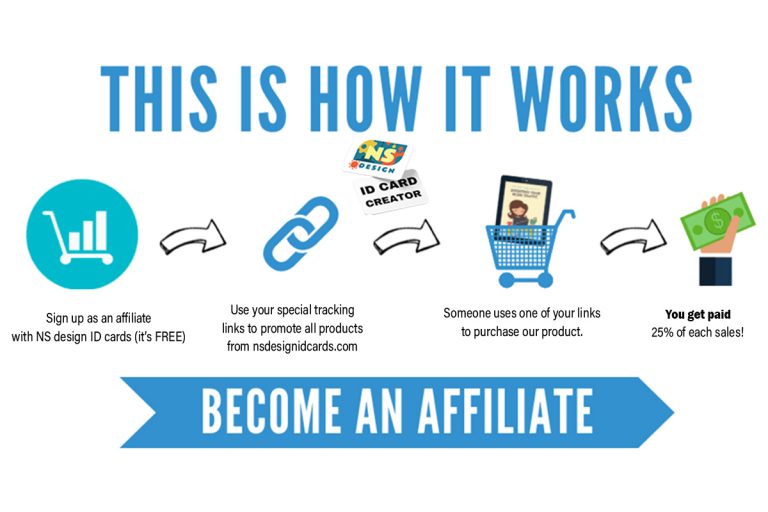
Affiliate programs in the skincare industry typically follow a straightforward structure. Brands establish a platform for affiliates to sign up, outlining the program’s terms and conditions. These conditions often specify commission rates, acceptable marketing methods, and required disclosures. A crucial component is the tracking mechanism, allowing brands to monitor affiliate performance and sales directly attributed to their efforts.
- Commission Structure: Commission rates vary widely depending on the product, brand, and affiliate’s performance. Some programs offer tiered commissions based on sales volume, while others might provide flat rates. The program’s structure clearly defines how commissions are calculated, and how they are paid.
- Tracking Mechanisms: Essential for accurate attribution, these mechanisms use unique affiliate links or codes to monitor sales generated by each affiliate. Cookies, often used for tracking, allow for accurate reporting and transparent payment distribution.
- Reporting and Payments: The program usually offers regular reporting, outlining the affiliate’s sales and earnings. Payment schedules are clearly defined, often adhering to industry standards for timely disbursement of commissions.
Key Metrics for Evaluating Affiliate Program Performance
Several key metrics are used to gauge the success of affiliate programs in the skincare niche. These metrics offer insights into program effectiveness and identify areas for improvement. Tracking and analyzing these metrics is vital for optimal performance.
- Conversion Rate: This metric indicates the percentage of visitors who complete a purchase after clicking an affiliate link. High conversion rates suggest effective marketing strategies and compelling product presentations. For instance, a skincare brand with high conversion rates from a specific affiliate’s marketing materials might indicate a strong synergy between the brand and the influencer.
- Click-Through Rate (CTR): This measures the percentage of users who click on an affiliate link compared to the total number of impressions. A high CTR suggests the affiliate’s content effectively attracts potential customers.
- Average Order Value (AOV): This metric reflects the average amount spent per order by customers directed by a specific affiliate. Higher AOV indicates that the affiliate’s marketing strategies are successfully driving sales of higher-value products.
Benefits for Skincare Brands and Consumers
Affiliate marketing offers significant advantages for both skincare brands and consumers. It provides an effective and efficient method for reaching a wider audience.
- Brands: Brands benefit from increased visibility and sales by partnering with trusted influencers. The cost-effectiveness of affiliate programs can be substantial compared to traditional advertising methods.
- Consumers: Consumers benefit from personalized product recommendations, often through trusted voices and experts in the skincare industry. The accessibility of a wide range of products is a major advantage.
Top Skincare Affiliate Programs in the USA
Finding the right skincare affiliate program can significantly boost your earnings and expand your reach in the competitive beauty market. Choosing a program aligned with your niche and audience is crucial for maximizing your return on investment. This section delves into several prominent programs, comparing their commission structures, payout frequencies, and qualification requirements.
Prominent Skincare Affiliate Programs
Numerous reputable companies offer skincare affiliate programs. Choosing the right one depends on your specific goals and target audience. Five well-regarded programs are highlighted here.
- The Ordinary: Known for its highly effective, yet budget-friendly, skincare products. Their affiliate program targets a broad audience, especially those seeking value-driven solutions for various skin concerns.
- Paula’s Choice: A trusted brand specializing in scientifically-backed skincare. Their program appeals to customers interested in results-oriented products and those who value clear and concise information.
- CeraVe: This program attracts customers looking for reliable and clinically proven skincare. Their wide range of products caters to a broad spectrum of skin types and concerns.
- Drunk Elephant: Their affiliate program targets customers who appreciate high-quality, effective, and often luxurious skincare solutions. This program often resonates with customers seeking premium ingredients and unique formulations.
- La Roche-Posay: This program caters to customers looking for sensitive skin solutions. Their products are often recommended by dermatologists and trusted by those seeking gentle, yet effective, skincare.
Comparative Analysis of Affiliate Programs
Evaluating different programs requires considering several factors. A comparison of commission structure, payout frequency, and required qualifications can assist in making informed decisions.
| Program | Product Focus | Commission Rate | Cookie Duration | Signup Process |
|---|---|---|---|---|
| The Ordinary | Anti-aging, acne treatment, serums | 5-10% | 30 days | Simple online application |
| Paula’s Choice | Acne treatment, anti-aging, chemical exfoliants | 5-10% | 30-60 days | Requires completing a brief questionnaire |
| CeraVe | Moisturizers, cleansers, sunscreens | 5-10% | 30 days | Involves a registration form |
| Drunk Elephant | High-end serums, cleansers, moisturizers | 8-15% | 30 days | Application and approval process |
| La Roche-Posay | Sensitive skin, dermatological solutions | 5-10% | 30-60 days | Online application form and verification |
Key Considerations for Choosing a Program
Understanding the commission structure, cookie duration, and required signup process is crucial. Different programs offer varying incentives, and it’s essential to choose one that aligns with your financial objectives.
The cookie duration represents the length of time a customer remains tracked after clicking an affiliate link. This duration impacts the commission you earn.
Amazon Affiliate Program for Skincare Products
The Amazon affiliate program presents a significant opportunity for marketers within the competitive skincare niche. Its vast reach and established customer base make it a powerful platform for promoting skincare products to a wide audience. Leveraging this platform effectively can be highly beneficial for driving sales and building brand awareness.The Amazon affiliate program functions by allowing individuals to earn commissions on sales generated through their unique affiliate links.
For skincare products, this translates to earning a percentage of each sale made through a referral link. The program’s structure facilitates a direct connection between affiliate marketers and Amazon’s vast inventory of skincare items, enabling targeted promotion of specific products.
Amazon’s Role in the Skincare Niche
Amazon’s extensive selection of skincare products provides a massive pool of potential affiliate opportunities. From basic cleansers to advanced serums and creams, the platform encompasses a diverse range of products, allowing affiliates to target specific customer needs and preferences. This extensive catalog, combined with Amazon’s global reach, makes it an ideal platform for promoting skincare products worldwide.
How the Program Works for Skincare Products
Affiliates receive unique URLs (links) that track sales originating from their referrals. When a customer purchases a skincare product through an affiliate link, the affiliate earns a commission, typically a percentage of the sale price. Amazon handles the transaction, and the affiliate is credited accordingly. This streamlined process is a key element of the program’s appeal.
Comparison with Dedicated Skincare Affiliate Programs
Dedicated skincare affiliate programs, while often offering niche expertise, generally have a smaller reach than Amazon. Amazon’s broad customer base and diverse product offerings provide a significant advantage in terms of potential sales volume. While dedicated programs might provide access to specialized products and support, Amazon offers a more extensive market and broader appeal.
Effective Marketing Strategies for Promoting Skincare Products on Amazon
Effective marketing strategies involve understanding the specific needs of Amazon shoppers. Crafting compelling product descriptions that highlight key benefits and features is crucial. High-quality images and videos showcasing the products in use can significantly improve conversion rates. Utilizing relevant s in product descriptions and titles is vital for increasing visibility in Amazon searches. Implementing targeted advertising campaigns on Amazon can also boost product discoverability.
Pros and Cons of Using the Amazon Affiliate Program
- Pros:
- Large customer base, allowing for significant potential sales.
- Extensive product selection in the skincare niche, enabling targeted promotion.
- Established platform with robust infrastructure and security measures.
- Relatively straightforward process, minimizing complexities for affiliates.
- High potential for reach and global sales, considering Amazon’s international presence.
- Cons:
- High competition within the affiliate program, demanding strategic approaches.
- Potential for reduced commission rates compared to other affiliate programs, depending on product and seller.
- Requires consistent effort and optimization for visibility on Amazon.
- Potential for conflicts with Amazon’s policies and guidelines.
- Maintaining a high level of customer satisfaction and engagement is essential for affiliate success.
Skincare Product Categories on Amazon
| Category | Description |
|---|---|
| Cleansers | Face washes, cleansers, makeup removers |
| Serums | Concentrated treatments for specific skin concerns |
| Moisturizers | Creams, lotions, oils to hydrate and nourish the skin |
| Sunscreens | Protects skin from harmful UV rays |
| Toners | Balances skin pH and prepares it for other treatments |
| Masks | Sheet masks, clay masks, and other treatments |
| Eye Care | Products for the delicate skin around the eyes |
| Hair Care | Hair care products for scalp and hair health |
Factors Influencing Affiliate Program Choice
Choosing the right skincare affiliate program is crucial for success. It’s not just about finding a program; it’s about finding one that aligns with your audience’s interests and your marketing goals. This selection process goes beyond simply browsing available programs; it involves careful consideration of various factors that directly impact profitability and long-term success.A well-chosen affiliate program can significantly boost an affiliate’s earning potential.
Conversely, a poor choice can lead to wasted effort and limited returns. Careful evaluation is key to making informed decisions and maximizing the potential of the affiliate marketing strategy.
Brand Alignment and Product Suitability
Effective affiliate marketing relies heavily on brand alignment. Marketers need to choose programs whose products resonate with their audience. This often means considering factors like target demographics, niche, and overall brand aesthetic. If your audience primarily focuses on natural skincare, a program featuring primarily chemical-based products will likely yield poor results. The opposite is equally true; a program dedicated to luxury skincare products might not appeal to budget-conscious consumers.
Impacting Profitability
Several factors influence the profitability of an affiliate skincare program. Commission rates, cookie durations, and the overall product pricing strategy of the brand play a significant role. A high commission rate is attractive, but a high volume of sales is also crucial. Cookie durations, which dictate how long a sale is attributed to an affiliate link, are important as well.
Ultimately, a program’s profitability hinges on a delicate balance of factors that require careful consideration. A higher commission rate doesn’t automatically translate to higher profitability; the conversion rate and sale volume are equally crucial.
Conversion Rate Optimization
Increasing the conversion rate from affiliate links to purchases is a crucial aspect of maximizing program profitability. This often involves strategic use of affiliate links in compelling content, such as blog posts, social media, and email campaigns. For example, highlighting specific product features that resonate with the target audience is crucial. Clear calls to action (CTAs) are also essential to guide potential customers towards a purchase.
Examples of Successful Skincare Affiliate Partnerships
Successful skincare affiliate partnerships demonstrate the importance of brand alignment. A popular example is an affiliate marketer specializing in natural skincare who partners with a brand that also focuses on natural ingredients. This shared aesthetic and values create a natural synergy that resonates with the target audience, resulting in high conversion rates. Another example could be an affiliate focused on budget-friendly skincare products who partners with a drugstore brand.
The shared focus on affordability attracts the specific target market that the affiliate serves.
Types of Skincare Brands and Ideal Affiliate Partners
| Brand Type | Ideal Affiliate Partner |
|---|---|
| Luxury Skincare | Beauty bloggers/influencers with a high-end aesthetic, focusing on luxury and prestige |
| Drugstore Skincare | Budget-conscious bloggers/influencers targeting value and affordability, focusing on daily skincare needs |
| Natural/Organic Skincare | Health and wellness bloggers/influencers emphasizing natural ingredients and holistic beauty, emphasizing sustainability and ethical sourcing |
| Men’s Skincare | Men’s grooming bloggers/influencers focusing on men’s skincare needs, emphasizing masculine aesthetic and product utility |
Strategies for Success with Skincare Affiliate Marketing
Affiliate marketing in the skincare niche presents a lucrative opportunity, but success requires strategic planning and execution. Understanding your target audience, crafting engaging content, and building trust are crucial elements for maximizing your earnings and establishing a sustainable affiliate presence. This section delves into key strategies to help you navigate the competitive skincare affiliate landscape.Effective skincare affiliate marketing hinges on a comprehensive approach.
It’s not merely about promoting products; it’s about providing valuable information and building relationships with your audience. This requires consistent effort, quality content, and a deep understanding of your target audience’s needs and desires.
Creating High-Quality Skincare Content
High-quality content is paramount in affiliate marketing, especially within the skincare niche. It establishes credibility, attracts a dedicated audience, and ultimately drives sales. Comprehensive guides, detailed reviews, and informative articles are highly valued by consumers seeking reliable information.
- In-depth product reviews should thoroughly analyze product efficacy, ingredients, and application methods. Avoid superficial descriptions; instead, provide a detailed breakdown of how the product performs. For example, a review of a serum could analyze its impact on skin texture, tone, and hydration over a specific period, supported by visual evidence where possible.
- Comprehensive skincare routines are invaluable. These routines can address specific concerns like acne, wrinkles, or hyperpigmentation. By offering detailed and practical advice, you can position yourself as a skincare expert, building trust and authority with your audience. Consider outlining different routine options tailored to various skin types and needs, for instance, a routine for oily skin vs.
dry skin.
- Focus on educating your audience about skincare fundamentals. Explain the science behind different ingredients, their benefits, and potential drawbacks. Providing this knowledge empowers consumers to make informed purchasing decisions and establishes you as a reliable source of information.
Building an Audience Interested in Skincare
Attracting a dedicated audience in the competitive skincare market requires a multifaceted approach. Building a loyal following takes time and effort, but it’s crucial for sustained success.
- Social media platforms like Instagram, TikTok, and YouTube are powerful tools for reaching a broad skincare audience. Create visually appealing content showcasing product usage, before-and-after results (with informed consent and appropriate disclosure), and skincare routines. For example, a series of Instagram posts demonstrating a weekly skincare routine for sensitive skin can attract a targeted audience.
- Establish a blog or website dedicated to skincare. This platform allows you to create in-depth articles, product reviews, and guides, providing valuable content for your audience. Regularly updated content signals to search engines that your website is active and relevant.
- Engage with your audience through comments, questions, and direct messages. Building a community around your skincare content fosters loyalty and encourages repeat engagement.
Building Trust and Credibility as a Skincare Affiliate
Trust and credibility are essential for long-term success in skincare affiliate marketing. Building a reputation as a reliable source of information is crucial for attracting and retaining customers.
- Transparency is key. Clearly disclose your affiliate relationships. Using designated disclosure statements on product reviews and posts is essential for maintaining transparency and building trust with your audience. For instance, use a statement like, “This post contains affiliate links.” Always be honest and upfront about any potential conflicts of interest.
- Focus on providing genuine, unbiased reviews and recommendations. Highlight both the positive and negative aspects of the products you review. Authenticity is crucial in building trust.
- Establish a personal brand that aligns with your values. Demonstrate a genuine passion for skincare, and share your knowledge and experiences with your audience in an approachable and engaging way.
Optimizing Content for Search Engines
Search engine optimization () is critical for driving organic traffic to your skincare content. By optimizing your content, you increase its visibility to potential customers searching for skincare solutions.
- Conduct thorough research to identify relevant terms and phrases used by skincare enthusiasts. Utilize research tools to discover popular search queries related to skincare products, routines, and ingredients. For instance, s like “best retinol serum for acne scars” or “hydrating face masks for dry skin” are relevant and likely to be searched.
- Use relevant s naturally within your content, titles, and descriptions. Avoid stuffing, as this can negatively impact your search engine rankings. Focus on providing valuable content that naturally incorporates relevant s.
- Optimize images with alt text that accurately describes the content of the image. This helps search engines understand the context of your images and improves their visibility.
Key Elements of a Successful Skincare Affiliate Landing Page
A well-designed landing page is crucial for converting visitors into customers. A well-structured page can guide potential customers through the purchasing process and maximize conversions.
| Element | Description |
|---|---|
| Compelling Headline | Clearly communicate the value proposition and target the reader’s needs. For example, “Say Goodbye to Acne Scars with This Powerful Serum.” |
| High-Quality Product Images | Visually appealing images showcasing the product from different angles. Include close-ups of product features and potential results. |
| Detailed Product Description | Provide comprehensive information about the product, including ingredients, benefits, and usage instructions. Highlight key selling points. |
| Social Proof | Include customer reviews, testimonials, or social media mentions to build trust and credibility. Examples include quotes like, “This serum has completely transformed my skin!” |
| Clear Call to Action | Directly encourage visitors to purchase the product with a clear and concise call to action. Use phrases like, “Shop Now” or “Buy Now.” |
| Secure Checkout Process | Ensure a seamless and secure checkout process to minimize friction and encourage conversions. |
Analyzing Key Performance Indicators (KPIs)
Tracking the success of your skincare affiliate program hinges on a robust understanding of key performance indicators (KPIs). Effective monitoring and analysis of these metrics allows for informed adjustments to your strategy, optimizing your affiliate marketing efforts and maximizing returns. Understanding how to interpret data correctly is critical for success in this dynamic field.Analyzing KPIs provides actionable insights that refine your approach to affiliate marketing.
This allows you to understand what’s working well and identify areas needing improvement, ensuring you’re maximizing your return on investment (ROI) within the skincare niche.
Essential KPIs for Skincare Affiliate Programs
Understanding and tracking key performance indicators (KPIs) is paramount for any affiliate program. Monitoring KPIs such as conversion rates, click-through rates, and average order values provides a clear picture of your program’s effectiveness. These insights guide adjustments to your strategy for optimal performance.
- Conversion Rate: This metric measures the percentage of visitors who complete a desired action, such as making a purchase. A high conversion rate indicates that your affiliate marketing efforts are resonating with your target audience and driving sales effectively.
- Click-Through Rate (CTR): This KPI tracks the percentage of people who click on your affiliate links after viewing your content. A high CTR suggests that your marketing materials are engaging and compelling. This is a crucial element in driving traffic to your affiliate links and generating leads.
- Average Order Value (AOV): This metric calculates the average amount spent per purchase by your customers. A higher AOV demonstrates the effectiveness of your marketing strategies in influencing customers to purchase more expensive products. It also indicates the quality of your product recommendations and their value proposition.
- Customer Acquisition Cost (CAC): This KPI calculates the cost of acquiring a new customer. Analyzing CAC helps determine the profitability of your marketing strategies. It’s vital for understanding the return on investment of your efforts in attracting new customers.
- Customer Lifetime Value (CLTV): This KPI estimates the total revenue a customer is expected to generate throughout their relationship with your brand. Understanding CLTV allows you to assess the long-term value of your customer base and helps inform your marketing strategies.
Monitoring and Analyzing Affiliate Performance Data
Consistent monitoring of affiliate performance data is critical for making informed decisions. Using readily available analytics tools, you can gain insights into affiliate performance trends. This allows you to optimize your strategies for better outcomes.
- Tracking Tools: Utilize affiliate marketing platforms and tools to monitor key metrics such as conversion rates, click-through rates, and average order values in real-time. Platforms offer detailed reporting capabilities that can be tailored to your specific needs.
- Regular Reporting: Establish a schedule for reviewing affiliate performance data. Regular reporting, whether weekly or monthly, ensures you’re proactively addressing any issues or trends. This allows for proactive adjustments to your strategy to maintain or enhance performance.
- Identifying Trends: Analyze patterns in the data to understand what’s working well and what needs improvement. Identify correlations between specific campaigns, promotions, or affiliate activities and their impact on key metrics. This allows for adjustments to optimize your campaigns and maximize your returns.
Interpreting Data to Improve Strategies
Data interpretation allows you to make informed decisions, refine your strategies, and maximize results. Identify what drives higher conversion rates and what needs improvement.
- Correlation Analysis: Explore correlations between different variables, such as specific affiliate marketing efforts and changes in key metrics. Understanding these relationships is vital for strategic adjustments.
- A/B Testing: Employ A/B testing to compare different versions of your marketing materials or affiliate strategies. This data-driven approach helps determine which strategies yield better results.
- Adapting to Trends: Adapt your strategy based on the insights gathered from the data. Adjust your affiliate program to maximize its effectiveness and achieve your business goals.
Methods for Measuring KPIs
Accurate measurement of KPIs is crucial for effective affiliate marketing. Implementing these methods ensures precise data collection and analysis.
- Conversion Rate: Calculate the conversion rate by dividing the number of conversions by the total number of visitors.
Conversion Rate = (Conversions / Visitors)
– 100% - Click-Through Rate (CTR): Calculate the CTR by dividing the number of clicks by the number of impressions.
CTR = (Clicks / Impressions)
– 100% - Average Order Value (AOV): Calculate the AOV by dividing the total revenue by the total number of orders.
AOV = Total Revenue / Total Orders
Adjusting Strategies Based on Insights
Analyzing the collected data empowers you to make necessary adjustments to your affiliate program.
- Optimizing Campaigns: Refine your marketing campaigns based on insights from data analysis, focusing on strategies that yield better results. This might include adjusting ad copy, improving landing pages, or targeting a more specific audience.
- Improving Affiliate Performance: Identify underperforming affiliates and provide targeted support to improve their performance. This might involve training, incentives, or more effective communication strategies.
- Refining Product Recommendations: Enhance your product recommendations to align with customer preferences and maximize average order values. This involves understanding customer purchase patterns and adjusting recommendations accordingly.
KPI Calculation Methods
This table summarizes the calculation methods for key performance indicators.
| KPI | Calculation Method |
|---|---|
| Conversion Rate | (Conversions / Visitors) – 100% |
| Click-Through Rate (CTR) | (Clicks / Impressions) – 100% |
| Average Order Value (AOV) | Total Revenue / Total Orders |
| Customer Acquisition Cost (CAC) | Total Marketing Cost / Total Customers Acquired |
| Customer Lifetime Value (CLTV) | Average Order Value
|
Last Word
In conclusion, choosing the right skincare affiliate program in the US involves careful consideration of commission structures, payout frequencies, and program requirements. This comprehensive guide has provided insights into top programs, the Amazon affiliate option, and crucial factors influencing your choice. By focusing on brand alignment, product suitability, and effective marketing strategies, you can significantly boost your chances of success in this competitive niche.
Key Questions Answered
What are the typical commission rates for skincare affiliate programs?
Commission rates vary significantly depending on the program and product. Some programs offer fixed percentages, while others might use tiered structures based on sales volume.
How can I increase conversions from affiliate links to skincare purchases?
High-quality content, targeted marketing, and building trust with your audience are crucial. Clear product descriptions, customer testimonials, and social proof can significantly increase conversions.
What are the essential KPIs for tracking skincare affiliate program success?
Key Performance Indicators (KPIs) like conversion rates, click-through rates, and average order value are crucial. Monitoring these metrics allows you to identify areas for improvement and adjust your strategies accordingly.
What are the pros and cons of using the Amazon affiliate program for skincare products?
Amazon offers a massive audience, but competition is fierce. Pros include established infrastructure, and vast product selection. Cons include lower commission rates compared to some specialized skincare programs.