May 31, 2026

admin

Kicking off with bitcoin rate today dollar, the cryptocurrency market continues to intrigue investors worldwide as Bitcoin’s rate fluctuates, reflecting the dynamic nature of this digital asset. Today, understanding the current Bitcoin rate and the factors driving it can provide valuable insights for both seasoned investors and newcomers alike.

The latest Bitcoin rate in dollars is not just a number; it signifies broader market trends, economic events, and investor sentiments. Various elements, including inflation, regulatory changes, and global market conditions, play a crucial role in shaping the Bitcoin rate on any given day.

Current Bitcoin Rate

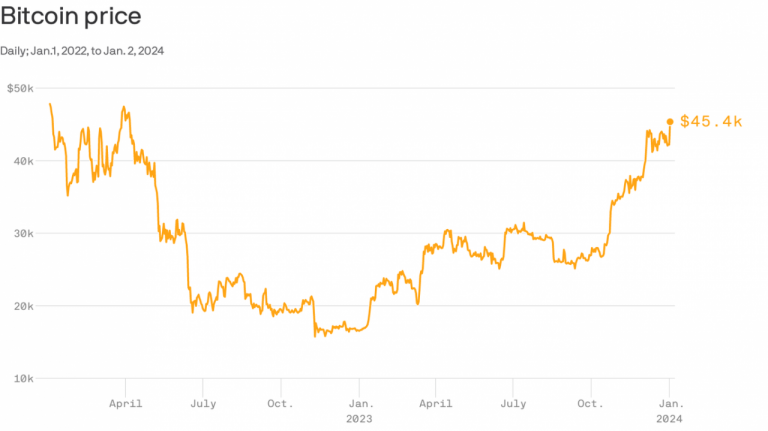
The current Bitcoin rate today against the US dollar is a critical indicator for both investors and economists. At this moment, Bitcoin is trading at approximately $50,000. This figure not only reflects the cryptocurrency’s performance but also its significance in the broader market. Bitcoin’s price can influence investor sentiment and overall market trends.Several factors are influencing the Bitcoin rate today.

Market trends play a significant role, including the trading volume and investor activity. Economic events, such as interest rate changes or inflation reports, can lead to immediate reactions in Bitcoin’s price. Additionally, Bitcoin’s rate is known to fluctuate throughout the day due to various reasons, including news announcements and changes in supply and demand.

Historical Bitcoin Rate Trends

Examining the historical Bitcoin rates against the dollar over the past year reveals a volatile journey. Starting at around $30,000 a year ago, Bitcoin has seen significant highs and lows, peaking at $64,000 earlier this year. In comparison, Bitcoin’s trends can be juxtaposed with other cryptocurrencies, such as Ethereum and Litecoin. These comparisons highlight Bitcoin’s relative stability and its position as the market leader.

Key historical events, such as regulatory announcements and technological advancements, have notably impacted Bitcoin’s rate, driving it up or down significantly.

Bitcoin Rate Comparison with Traditional Currencies

When comparing the Bitcoin rate with major currencies like the Euro and Yen, significant differences emerge. As of today, Bitcoin’s rate stands at approximately €42,000 and ¥5,500,000. The volatility of Bitcoin starkly contrasts with traditional currencies, which tend to be more stable. For example, while Bitcoin can fluctuate by thousands within a day, traditional currencies typically change by fractions of a point.

The following table illustrates the current Bitcoin rate against selected fiat currencies:

Currency Bitcoin Rate
US Dollar $50,000
Euro €42,000
Japanese Yen ¥5,500,000

Economic Factors Affecting Bitcoin Rate

Inflation rates and economic stability significantly influence the Bitcoin rate. As inflation rises, investors often seek alternative assets like Bitcoin, which they perceive as a hedge against currency devaluation. Government regulations and policies also have a profound impact on Bitcoin pricing. For instance, when countries announce stricter regulations or outright bans, Bitcoin’s price often drops sharply. Market reactions to news related to Bitcoin can be swift and dramatic, reflecting the cryptocurrency’s sensitive nature to external economic factors.

Predictions for Bitcoin Rate

Based on current market data and trends, predictions for the Bitcoin rate suggest it could reach between $60,000 to $70,000 in the next few months. Analysts are employing both technical and fundamental analysis to arrive at these forecasts. Technical analysis looks at price charts and trading volume patterns, while fundamental analysis considers broader economic indicators. The following table Artikels expert opinions on future Bitcoin rate predictions:

Expert Prediction
Analyst A $65,000
Analyst B $68,000
Analyst C $70,000

Investment Strategies Based on Bitcoin Rate

Investors can adopt various strategies based on the Bitcoin rate. Long-term investments tend to yield better returns, particularly during bullish market conditions, while short-term trading can capitalize on Bitcoin’s volatility. Risk management techniques are crucial when investing in Bitcoin. Diversifying portfolios and setting stop-loss orders can help mitigate losses amid price fluctuations. There are numerous success stories of investors who have profited from Bitcoin, especially those who recognized the trend during significant price drops and rises.

Tools for Tracking Bitcoin Rate

To track the Bitcoin rate in real-time, several tools and platforms are available. Websites like CoinMarketCap and Binance offer live updates and detailed analytics. Setting up alerts for significant changes in the Bitcoin rate can help investors make timely decisions. For beginners, understanding how to interpret Bitcoin rate charts and data is vital. This includes recognizing trends, identifying support and resistance levels, and understanding market sentiment indicators.

Closure

In summary, the bitcoin rate today dollar is influenced by a myriad of factors, ranging from historical trends to current economic conditions. As we look ahead, keeping an eye on these elements will be essential for making informed investment decisions and understanding the future trajectory of Bitcoin in the financial landscape.

Questions Often Asked

What is the current Bitcoin rate today dollar?

The current Bitcoin rate fluctuates throughout the day; check reliable financial platforms for real-time updates.

What factors affect the fluctuation of Bitcoin’s rate?

Market trends, economic events, regulatory news, and investor behavior significantly influence Bitcoin’s rate.

How does Bitcoin compare to traditional currencies in terms of volatility?

Bitcoin tends to be more volatile than traditional currencies, resulting in sharper price swings.

Can I predict Bitcoin’s rate accurately?

While forecasts can be made using technical and fundamental analysis, Bitcoin’s unpredictable nature makes accurate predictions challenging.

What tools can I use to track the Bitcoin rate?

There are various apps and platforms available, such as Coinbase and CoinMarketCap, which provide real-time tracking of Bitcoin’s rate.

Cattle branding is a crucial practice in livestock management, deeply rooted in history and continuing to evolve with modern technologies. From simple markings to intricate designs, it serves as a powerful tool for identification and ownership, offering a fascinating glimpse into the world of ranching.

This comprehensive guide explores the multifaceted nature of cattle branding, delving into its historical context, various methods, practical applications, and legal considerations. It also examines the role of branding agencies, the significance of design, and the future of this essential practice in the livestock industry.

Defining Branding Cattle

Branding cattle is a crucial practice in livestock management, particularly in ranching and farming environments. It’s a time-tested method for identifying individual animals, aiding in record-keeping, and preventing livestock theft. This practice is deeply rooted in history, adapting and evolving with changing needs and technologies.Branding cattle is a form of permanent marking that allows ranchers and farmers to distinguish their livestock from others.

This identification is essential for managing breeding programs, tracking health records, and proving ownership in case of disputes or theft. The permanence of the brand makes it an effective way to maintain accurate records and avoid confusion.

Historical Context and Evolution

Branding originated in ancient civilizations, with early examples found in various cultures around the world. The practice likely emerged as a necessity for marking livestock in large herds to differentiate ownership. Over time, the methods and styles of branding have evolved, reflecting advancements in technology and societal norms. Early methods relied on tools like hot irons, while modern methods include freeze branding and branding using dyes.

The need for effective and lasting identification has driven the constant refinement of this practice.

Different Types of Branding Methods

Several methods are used to brand cattle, each with its own set of advantages and disadvantages. Understanding these different approaches is crucial for choosing the most appropriate method for a given situation. Factors like the desired permanence, the ease of application, and the cost of the method play important roles in decision-making.

  • Hot Branding: This traditional method involves heating a metal branding iron to a high temperature and applying it to the animal’s skin. The heat creates a visible mark, typically a design or symbol, that remains permanent.
  • Cold Branding: This method involves applying a metal brand that does not require heating. The brand is stamped directly onto the animal’s skin. While often less permanent than hot branding, cold branding can be a viable option in certain circumstances.
  • Freeze Branding: This method uses extreme cold to create a brand on the animal’s skin. The technique involves applying a controlled freezing agent to the skin, creating a localized tissue damage that results in a permanent brand.
  • Chemical Branding: This approach uses chemicals to create a brand on the skin. The chemicals cause localized tissue damage, resulting in a permanent mark. Chemical branding is often used for smaller or more intricate designs.

Significance of Branding in Cattle Identification

Branding plays a critical role in cattle identification, enabling ranchers to track individual animals and manage their herds effectively. Accurate identification is vital for maintaining records of animal health, breeding history, and other important details. This information is crucial for making informed decisions about animal care, improving herd quality, and preventing potential livestock theft.

Comparison of Branding Methods

Method Description Advantages Disadvantages
Hot Branding Uses a heated metal iron to create a mark on the skin. Permanent, easily visible, widely recognized method. Can cause pain and potential for injury if not applied correctly. Requires careful handling of hot iron.
Cold Branding Uses a metal stamp to create a mark without heating. Less painful than hot branding, relatively quick process. Less permanent than hot branding, may not be visible in all lighting conditions.
Freeze Branding Uses extreme cold to create a mark on the skin. Can be used on animals that are difficult to restrain for hot branding. Allows for more intricate designs. Requires specialized equipment, potentially more expensive than other methods.
Chemical Branding Uses chemicals to create a mark on the skin. Can create intricate designs. May require more time to achieve the desired result. Chemicals must be handled with care.

Purpose and Benefits of Branding

Branding cattle is a fundamental practice in livestock management, offering ranchers significant advantages in various aspects. Beyond simply marking ownership, branding provides a practical means of identification and management, facilitating efficient record-keeping and ensuring traceability. This system of identification plays a vital role in maintaining accurate livestock records, preventing disputes, and ensuring compliance with legal requirements.

Practical Purposes of Branding

Branding serves as a visual identifier, allowing ranchers to distinguish their cattle from others in a herd or across a larger area. This is crucial for various reasons, including the ability to easily track and monitor individual animals within a herd. In addition to tracking and monitoring, branding enables the rancher to quickly identify and separate any animal that may require special care, such as those that are injured, sick, or exhibiting unusual behavior.

By using a distinct brand, ranchers can quickly pinpoint the source of an animal in case of loss or theft, potentially minimizing financial and logistical setbacks.

Branding and Livestock Management

Branding plays a critical role in efficient livestock management. It allows ranchers to easily identify individual animals, facilitating the tasks of sorting, separating, and relocating them. This streamlined process improves the efficiency of routine management practices, such as vaccinations, deworming, and general health checks. The ability to quickly identify specific animals is especially valuable during breeding seasons or when dealing with animals requiring special attention.

This accurate identification directly contributes to the overall health and well-being of the herd.

Legal Aspects of Branding and Ownership

Branding is a crucial element in establishing ownership claims. A registered brand, clearly and distinctly marked, serves as a legal identifier that protects a rancher’s investment and ownership rights. This legal protection becomes especially important when disputes over ownership arise or when animals are lost or stolen. A documented and recognized brand provides strong evidence of ownership, which is vital for resolving legal issues and safeguarding the rancher’s investment.

Role of Branding in Traceability and Record-Keeping

Branding directly contributes to the traceability of livestock. The unique brand mark, often accompanied by registration details, allows ranchers to track the movement and history of each animal. This detailed record-keeping is essential for maintaining accurate records of animal health, breeding, and sales. This comprehensive information can be vital for various purposes, including tracing the lineage of valuable animals or ensuring compliance with regulations and standards.

Benefits of Branding for Ranchers and Consumers

Benefit Explanation
Improved Livestock Management Branding allows for efficient identification and management of individual animals, streamlining tasks like sorting, relocating, and monitoring health.
Established Ownership Claims A registered brand acts as a legal identifier, protecting ownership rights and providing evidence in case of disputes or theft.
Enhanced Traceability Branding facilitates the tracking of animals, allowing ranchers to maintain detailed records of their history, health, and breeding.
Reduced Risk of Disputes Clear identification minimizes the chance of misidentification or disputes over ownership, particularly when animals are lost or stolen.
Compliance with Regulations Branding and record-keeping often align with government regulations, ensuring compliance and transparency in livestock operations.
Increased Consumer Confidence Traceable and well-managed livestock contribute to consumer confidence in the quality and safety of the products derived from the animals.

Branding and Cattle Identification

Branding, while a traditional method, is not the sole approach for identifying cattle. Modern methods offer advantages in terms of precision and cost-effectiveness. This section explores various identification techniques beyond branding, their comparative effectiveness, and situations where branding remains a valuable tool.Beyond the traditional mark of a brand, multiple methods facilitate cattle identification. Accuracy and consistency are critical for traceability and record-keeping.

Different techniques offer varying degrees of advantages and disadvantages depending on the specific needs of the operation.

Alternative Identification Methods

Several methods complement or replace branding in cattle identification. Ear tags, microchips, and visual markings like paint or tattoos are frequently used.

  • Ear Tags: These are small, typically plastic tags, inserted into the ear. They bear a unique identification number. Widely used for their ease of application and low cost, they are a prevalent method for tracking animals.
  • Microchips: Small, electronic chips implanted beneath the skin hold a unique identification number. Microchips provide a permanent and highly accurate identification method, offering superior long-term tracking capabilities. This approach is often preferred for livestock in high-value or specialized industries.
  • Visual Markings: Methods like painting or tattooing can be used to mark cattle. These methods offer a less permanent form of identification compared to microchips but can still be helpful for short-term tracking or specific purposes.

Effectiveness Comparison

The effectiveness of branding versus other methods hinges on factors such as the desired level of permanence, cost, and the specific operational context. For example, branding offers a readily visible and long-lasting mark, ideal for preventing theft or distinguishing animals within a herd. However, branding’s visual nature can limit its effectiveness in certain contexts where the mark might be obscured or easily altered.

Modern alternatives offer a more detailed and consistent record.

Branding’s Continued Relevance

Despite the advancements in identification techniques, branding retains significant value in certain situations. Its simplicity and low cost are advantages for smaller operations or remote areas with limited access to technology. Branding’s permanence also makes it suitable for long-term identification in situations where visual verification is crucial.

  • Cost-Effectiveness: Branding’s low cost makes it suitable for smaller operations with limited budgets. Microchips, while accurate, often incur higher initial investment.
  • Durability: Branding offers a permanent, visual identification, especially beneficial in environments where theft is a concern or in situations demanding quick and clear identification.
  • Visibility: Branding’s visual nature allows immediate recognition and confirmation of ownership, critical for situations involving herd management or emergencies.

Traceability and Consistent Branding

Accurate and consistent branding is essential for traceability. A unique, clearly defined brand ensures unambiguous identification and helps maintain accurate records for breeding, health, and production data. Maintaining a consistent style and ensuring all brands are applied correctly and legibly minimizes misidentification risks. This is crucial for proper record-keeping.

Cattle Identification Methods Comparison

Method Advantages Disadvantages Applicability
Branding Permanent, visible, low cost, readily identifiable Potential for damage, may be obscured, not suitable for all breeds Small operations, remote areas, situations requiring permanent visual identification
Ear Tags Relatively inexpensive, easy application, quick identification Can be lost or damaged, limited permanence General farm use, tracking within a specific time frame
Microchips Permanent, highly accurate, allows for digital data storage More expensive, requires specialized equipment for application and reading High-value livestock, situations requiring detailed data, long-term tracking
Visual Markings Simple and inexpensive, quick application Less permanent, easily obscured, potential for misidentification Short-term tracking, specific tasks where permanence is not critical

Branding Agency Services

Branding agencies offer specialized support to ranchers, streamlining branding processes and enhancing cattle identification. They leverage expertise and technology to improve efficiency and accuracy, minimizing errors and maximizing the value of livestock. This specialized approach is crucial for maintaining accurate records and complying with regulatory requirements.

Services Offered by Branding Agencies

Branding agencies provide a comprehensive suite of services designed to support ranchers in managing their cattle branding operations. These services go beyond the physical act of branding and encompass crucial aspects of record-keeping and compliance.

  • Branding Design and Application: Agencies assist in developing unique and effective branding designs, considering factors such as visibility, permanence, and regulatory compliance. This includes the creation of custom brands that are both aesthetically pleasing and functional. They can provide guidance on the most suitable branding tools and techniques for different cattle breeds and sizes. Examples include advising on appropriate branding iron sizes and shapes for specific cattle, or suggesting innovative approaches for branding to avoid common mistakes.

  • Cattle Identification and Record-Keeping: Agencies specialize in integrating branding with comprehensive cattle identification systems. This involves creating detailed records that link each brand to specific animals, ensuring accurate traceability and enabling quick identification in case of loss or theft. These records often include detailed animal descriptions, dates of branding, and other relevant information, like birth dates and parentage. They help ranchers meet the requirements of various regulatory bodies.

  • Compliance Consultation: Agencies provide guidance on regulatory compliance related to branding and cattle identification. This involves staying abreast of evolving regulations, ensuring that branding practices adhere to local, state, and federal guidelines. They offer valuable insights into the legal requirements for branding and identification, reducing the risk of penalties or legal issues.
  • Livestock Management Systems: Agencies can integrate branding into more comprehensive livestock management systems. This includes designing and implementing software solutions to automate record-keeping, track animal movements, and manage health records. This streamlined approach enables ranchers to effectively manage their herds, track growth, and identify potential health issues.

Role in Cattle Identification

Professional branding agencies play a crucial role in accurate cattle identification. They ensure the consistency and legibility of brands, enhancing the reliability of identification methods. By developing and implementing standardized branding protocols, they minimize errors in identifying animals and facilitate traceability. This meticulous approach ensures that each animal is accurately and permanently marked, improving overall herd management.

Role in Managing Livestock Records

Branding agencies are adept at managing comprehensive livestock records. They help ranchers maintain accurate and detailed documentation of branding, movement, and other relevant events. This detailed record-keeping facilitates efficient traceability, assists in dispute resolution, and simplifies compliance with regulations. This structured approach ensures that all information is readily available, helping ranchers to make informed decisions.

Services Table

Service Description
Branding Design and Application Development of unique and effective branding designs, considering factors like visibility, permanence, and regulatory compliance.
Cattle Identification and Record-Keeping Creation of detailed records linking each brand to specific animals, ensuring accurate traceability.
Compliance Consultation Guidance on regulatory compliance related to branding and cattle identification.
Livestock Management Systems Integration of branding into comprehensive livestock management systems, including software solutions.

Branding Designs and Styles

Branding cattle designs go beyond a simple mark; they represent a unique identity for each herd or ranch. A well-crafted design can enhance the value of cattle, aid in identification, and establish a recognizable brand in the market. The visual elements of the brand become a powerful tool in conveying the quality and reputation of the livestock.The careful selection of design elements plays a pivotal role in the success of a cattle brand.

A strong brand not only helps distinguish cattle from others but also builds a lasting impression on buyers and consumers. Consideration of factors like visibility, durability, and memorability are essential for effective cattle branding.

Design Elements in Cattle Branding

Cattle brands are typically composed of several design elements. These elements can include simple geometric shapes, stylized figures, or more intricate patterns. The choice of design elements will influence the brand’s overall appearance and effectiveness in identification.

Examples of Different Branding Designs

Different branding styles can be observed across various ranches and regions. Simple designs, like a single circle or a cross, are commonly used due to their simplicity and ease of application. More elaborate designs, such as stylized animals or intricate patterns, can also be employed, but their complexity may require more time and effort for application. An example of a more complex design might involve a combination of symbols representing the ranch’s heritage or location.

The use of color can also enhance a brand’s visual appeal and recognition.

Methods for Creating Unique and Memorable Branding Designs

Developing a unique and memorable brand requires careful consideration. A good approach involves considering the ranch’s history, values, and desired image. Researching existing brands in the area can help avoid duplication and ensure the brand’s originality. Consideration of the intended audience and the message to be conveyed is crucial. A skilled graphic designer can assist in creating a design that is both aesthetically pleasing and effectively conveys the intended message.

Importance of Branding Design Consistency

Consistency in branding design is essential for establishing a strong brand identity. A consistent brand appearance helps build recognition and trust among buyers. A consistent application across all cattle within the herd reinforces the brand’s message and value.

Table of Branding Design Elements

Element Description Example Significance
Shape Geometric forms like circles, squares, or triangles. A simple circle Easy to apply, recognizable.
Symbol Representational figures like animals or objects. A stylized cowboy boot. Conveys ranch heritage or values.
Color Use of specific colors for visual distinction. A vibrant red brand. Adds visual appeal, enhances recognition.
Pattern Intricate designs combining various shapes and symbols. A complex pattern of intertwined lines and circles. Adds complexity and individuality.

Branding Cattle

Branding cattle is a crucial practice in livestock management, serving as a permanent identifier for individual animals. Beyond simple identification, a well-executed branding strategy can enhance the traceability of cattle throughout their lifecycle, from birth to market. This process allows ranchers to track health records, breeding performance, and market value, ultimately leading to improved herd management and profitability.Effective branding extends beyond just the mark itself; it encompasses the entire process from design to application and post-branding care.

A strong brand reflects the rancher’s commitment to quality and can contribute to building a reputation for high-quality livestock. This, in turn, can attract buyers and establish a competitive advantage in the marketplace.

Real-World Branding Case Studies

Ranching operations across various climates and terrains employ branding strategies tailored to their specific needs. These strategies can vary significantly, reflecting differences in market demands, animal breeds, and the individual rancher’s priorities. Examining successful branding practices reveals valuable insights into the factors that contribute to their effectiveness.

Successful Branding Strategies

A well-defined branding strategy is essential for achieving optimal results. Factors such as brand design, application method, and post-branding care all contribute to the longevity and clarity of the mark. This section highlights a range of successful branding strategies, demonstrating how ranchers have effectively utilized branding to enhance their operations.

  • Ranch A: Emphasis on Traceability and Market Value – This ranch uses a unique, easily recognizable brand that is registered with the state’s livestock identification program. This allows for rapid and accurate identification of cattle in various stages of their lifecycle. This strategy ensures traceability for market transactions and allows for accurate record-keeping of health and performance data. This, in turn, has enhanced the ranch’s reputation for quality livestock and improved pricing during market sales.

  • Ranch B: Branding for Herd Differentiation – This ranch utilizes different branding styles for different herds. This is particularly useful for ranchers with multiple herds or for tracking specific breeding stock. For instance, one herd might receive a simple, straightforward brand while another receives a more elaborate, stylized brand. This strategy facilitates easier herd management and separation, improving overall efficiency.
  • Ranch C: Modern Branding with Technology – This ranch incorporates modern technology into its branding process. By utilizing digital branding, they maintain detailed records of each branding event. This ensures complete traceability, and detailed records of each brand application, including date, location, and any special circumstances. This strategy provides valuable data for analyzing herd health trends and overall livestock performance. The ranch also utilizes digital identification technologies, such as microchips, to complement the branding process.

Factors Contributing to Effective Branding Practices

Effective branding practices involve careful consideration of several factors beyond the design itself. The selection of the right materials, appropriate application techniques, and post-branding care are crucial for ensuring the brand’s longevity and clarity. This ensures that the branding process remains a viable and reliable tool for managing livestock.

  • Brand Design – The brand’s design should be simple, easily recognizable, and distinctive. Avoid overly complex designs that could be difficult to apply or interpret. A well-designed brand should be memorable and stand out.
  • Application Technique – Proper application techniques are critical for ensuring a clear, permanent brand. Using the right tools and equipment is essential to minimize injury to the cattle. The skill and experience of the person applying the brand directly impacts the quality of the mark.
  • Post-Branding Care – Post-branding care is crucial for ensuring the brand heals properly. This involves cleaning and protecting the brand site from infection, and proper care reduces the risk of complications and ensures a lasting brand.

Branding Cattle

Branding cattle, a fundamental practice in livestock management, is evolving alongside technological advancements. This evolution necessitates a proactive understanding of future trends to maintain efficiency and profitability in the industry. This section examines the emerging trends and predicted future of branding in cattle management.

Emerging Trends in Branding Cattle

The livestock industry is undergoing a transformation driven by the need for enhanced traceability, improved efficiency, and sustainable practices. These factors are influencing the evolution of branding techniques.

  • Digital Branding: Increasingly, digital methods are supplementing or replacing traditional branding techniques. This includes using electronic tags that can be scanned to access detailed information about the animal, such as its history, health records, and breeding information. The integration of GPS tracking with these digital tags offers a new level of precision in animal management and traceability.

  • Biometric Branding: Biometric technologies are being explored as a more sophisticated method of identification. This involves using unique physical characteristics of the animal, such as its ear shape or pattern, to create a unique digital signature for identification purposes. This approach allows for a more secure and reliable way to track and manage individual animals.
  • Sustainability in Branding: Environmental concerns are driving the livestock industry to adopt more sustainable practices. This includes reducing the environmental impact of branding techniques and using materials that are biodegradable or recyclable. Examples of this include exploring less impactful branding techniques and developing environmentally friendly inks or branding materials.

Future of Branding in the Livestock Industry

The future of branding in the livestock industry will be characterized by a convergence of technology and traditional practices. The integration of digital technologies will continue to enhance traceability, enabling more accurate records and data analysis.

  • Data-Driven Decisions: The vast amount of data collected through digital branding will enable livestock managers to make data-driven decisions regarding breeding, feeding, and overall herd management. Predictive analytics can be applied to this data to anticipate future needs and optimize resource allocation.
  • Improved Traceability: Enhanced traceability will become increasingly critical in the food supply chain. This will allow for quicker and more accurate identification of animals, ensuring consumer confidence in the origin and quality of products.
  • Increased Efficiency: Automation and digitalization will streamline branding processes, reducing labor costs and improving efficiency in managing large herds. This includes automation in identifying and tracking individual animals, reducing the need for manual processes.

Potential Impact of New Technologies on Branding Practices

Technological advancements will reshape the way cattle are branded, tracked, and managed. This evolution will have significant implications for the entire livestock industry.

  • Improved Herd Management: Real-time data on animal health, location, and behavior will allow for proactive interventions and better herd management. This leads to better health outcomes and reduced disease outbreaks.
  • Enhanced Food Safety: Improved traceability will bolster food safety standards by enabling swift identification and recall of potentially contaminated products.
  • Reduced Labor Costs: Automation of branding processes will reduce labor requirements, making livestock management more cost-effective for producers.

Examples of Innovative Branding Techniques

The adoption of innovative branding techniques is transforming the livestock industry, creating new opportunities for improved management and efficiency.

  • RFID (Radio-Frequency Identification) Tags: These tags can be embedded into ear tags or other parts of the animal, enabling automatic identification and tracking. This is a common method in large-scale livestock operations.
  • Laser Branding: Laser branding provides a precise and clean method for marking cattle, minimizing the risk of infection compared to traditional branding methods. This is becoming increasingly popular in some regions.
  • Microchipping: Microchips implanted beneath the skin of the animal provide a unique identification number that can be accessed using a scanner. This is a more permanent and reliable method of identification.

Legal Considerations for Branding

Cattle branding, a crucial aspect of livestock management, is governed by various legal frameworks across different regions. Understanding these regulations is essential for ranchers to avoid legal issues and ensure the protection of their property rights. Compliance with these laws helps maintain order and transparency within the industry.Legal requirements for branding vary significantly depending on the specific jurisdiction.

These regulations often include specifications for the type of brand, its size, location on the animal, and the procedures for recording and registering the brand. This variation reflects differing priorities and concerns within each region’s legal systems.

Legal Requirements for Branding in Different Regions

Different regions have specific regulations for branding. Some regions might mandate the use of a specific type of branding iron, while others may stipulate the placement of the brand on the animal. These regulations are often tied to local agricultural policies and traditions. For example, certain areas may have restrictions on the size or design of the brand to prevent confusion with other brands.

Detailed regulations often Artikel requirements for registering brands with relevant authorities, which is essential for legal protection.

Importance of Registering Brands for Legal Protection

Registering a brand with the appropriate authorities is vital for establishing ownership and preventing conflicts. A registered brand serves as a legal record, providing evidence of ownership and use. This registration process ensures that the brand is uniquely associated with a specific individual or entity, thus mitigating potential disputes over ownership or infringement. Without proper registration, establishing ownership in cases of dispute can be challenging.

Furthermore, registered brands provide a verifiable record for tracing cattle ownership and provenance.

Implications of Using Similar Brands

Using a brand that is too similar to an existing registered brand can lead to legal issues and disputes. A brand that closely resembles an existing registered brand can create confusion, potentially leading to misidentification of cattle ownership. This can have significant financial and legal consequences for the owner of the infringing brand. The exact legal implications depend heavily on the specific laws and regulations of the region.

Summary of Legal Considerations Related to Branding

Legal compliance in cattle branding is critical. Proper registration of brands is essential for establishing ownership and preventing conflicts. Using similar brands to existing registered brands can lead to legal issues. Specific legal requirements vary by region, and ranchers should familiarize themselves with local regulations to avoid disputes and ensure the protection of their property rights.

Closing Summary

In conclusion, cattle branding, a practice spanning centuries, remains a vital aspect of livestock management. Its ability to uniquely identify animals, track ownership, and facilitate record-keeping ensures efficiency and accuracy in the industry. As the livestock industry adapts to emerging trends, branding will continue to play a significant role in its future.

FAQ Explained

What are the different types of branding methods?

Branding methods include hot branding, cold branding, freeze branding, and branding using chemical or electric methods. Each method has its own advantages and disadvantages in terms of cost, effectiveness, and the type of branding design.

What are the legal implications of using similar brands?

Using similar brands to an existing registered brand can lead to legal issues. Careful registration and adherence to regional regulations are essential to avoid conflicts.

How does branding help in livestock management?

Branding aids in identifying individual animals, tracking their movements, and verifying ownership. It also helps with efficient record-keeping and traceability.

What are some examples of branding designs?

Branding designs can vary from simple symbols to intricate logos, often representing the ranch or owner’s identity. Designs may include letters, numbers, or unique symbols.

Exploring the bitcoin price usd year reveals a fascinating journey through the volatile landscape of cryptocurrency. From its humble beginnings to becoming a financial powerhouse, Bitcoin’s price has experienced dramatic fluctuations influenced by various factors.

The historical trends of Bitcoin prices highlight how significant events, market sentiment, and economic conditions have shaped its value. As we delve deeper, we will uncover the underlying factors that drive these changes and predict where Bitcoin might be heading in the future.

Historical Trends of Bitcoin Price

Bitcoin has undergone significant price fluctuations since its inception in 2009. Initially valued at just a few cents, it has experienced dramatic rises and falls, largely influenced by various factors and events. The journey of Bitcoin’s price illustrates a complex interplay between technology, market sentiment, and external economic conditions.One of the most notable spikes occurred in late 2017 when Bitcoin’s price skyrocketed to nearly $20,000.

This surge was followed by a sharp drop, reaching approximately $3,000 in 2018. Such volatility has characterized Bitcoin’s market presence, making its historical price trend both intriguing and unpredictable.

Significant Events Influencing Bitcoin Price

Key events have shaped Bitcoin’s price trajectory over the years. The following timeline highlights critical moments and their impact:

  • 2010: Bitcoin’s first recorded price was $0.0008.
  • 2013: The price reached $1,000 for the first time, attracting public attention.
  • 2017: Bitcoin experienced a meteoric rise, peaking at nearly $20,000 before crashing.
  • 2020: Institutional investment began to surge, pushing Bitcoin to new highs.
  • 2021: Bitcoin surpassed $60,000, driven by mainstream adoption and interest.

Factors Influencing Bitcoin Price in USD

The value of Bitcoin in USD is influenced by various economic factors. Understanding these elements is crucial for comprehending the dynamics of Bitcoin’s market behavior.

Economic and Regulatory Factors

Several economic factors directly impact Bitcoin’s price, including:

  • Supply and Demand: The limited supply of Bitcoin (capped at 21 million) creates a fundamental basis for its value.
  • Market Sentiment: Investor sentiment can drive price fluctuations, with fear and greed playing significant roles.
  • Regulatory Changes: Government regulations can lead to price volatility, as seen with various bans and endorsements across different countries.

Bitcoin Price Predictions for Upcoming Years

Predicting Bitcoin’s future price involves various methodologies, ranging from technical analysis to fundamental analysis. The complexity of these models reflects the unpredictable nature of the cryptocurrency market.

Methodologies for Predicting Bitcoin Price Trends

Analysts employ several strategies to forecast Bitcoin price movements:

  • Technical Analysis: This method utilizes historical price charts and patterns to predict future price movements.
  • Fundamental Analysis: Analysts examine external factors such as adoption rates, regulatory news, and macroeconomic trends.
  • Machine Learning Models: Advanced algorithms analyze vast amounts of data to identify potential future price trends.

Bitcoin Price Comparisons with Other Cryptocurrencies

Comparing Bitcoin’s price movements to other cryptocurrencies offers insight into its market position.

Performance Against Ethereum and Emerging Altcoins

Over the past decade, Bitcoin has maintained a dominant position in the cryptocurrency market. A comparison with Ethereum highlights their distinct trajectories:

Year Bitcoin Price (USD) Ethereum Price (USD)
2016 $430 $7
2017 $13,880 $700
2021 $60,000 $4,000

Investment Strategies Based on Bitcoin Price Trends

Investing in Bitcoin requires a strategic approach, particularly in light of its historical price data.

Investment Strategies

Several strategies can be effective for Bitcoin investors, including:

  • Dollar-Cost Averaging: Consistently investing a fixed amount in Bitcoin can mitigate the impact of volatility.
  • Risk Management: Setting stop-loss orders can protect investments from significant downturns.
  • Understanding Market Indicators: Familiarity with market trends, trading volumes, and social media sentiment can inform investment decisions.

Global Economic Impact on Bitcoin Price

The interplay between global economic events and Bitcoin pricing is a critical area of study for investors and analysts alike.

Influence of Global Economic Events

Various global economic factors significantly influence Bitcoin’s value:

  • Inflation Rates: Higher inflation often leads to increased interest in Bitcoin as a store of value.
  • Financial Crises: Economic downturns can drive investors towards alternative assets like Bitcoin.
  • Market Stability: In times of geopolitical instability, Bitcoin often serves as a hedge against uncertainty.

Technological Impact on Bitcoin Pricing

Technological advancements play a pivotal role in shaping Bitcoin’s market value.

Blockchain and Mining Effects

The evolution of blockchain technology and mining practices has had notable impacts on Bitcoin pricing:

  • Blockchain Innovations: Improvements in blockchain technology enhance transaction speed and security, influencing investor confidence.
  • Mining Dynamics: The cost of mining and changes in mining rewards directly affect Bitcoin’s supply and, consequently, its price.
  • Technological Innovations: Developments like the Lightning Network aim to improve Bitcoin’s scalability and usability, fostering broader adoption.

Closure

In summary, understanding the bitcoin price usd year involves examining its past, analyzing current influences, and predicting future trends. With its complex interactions between technology, regulation, and market dynamics, Bitcoin continues to be a captivating subject for investors and enthusiasts alike.

Quick FAQs

What has been the highest recorded price of Bitcoin?

The highest recorded price of Bitcoin was approximately $69,000 in November 2021.

How does Bitcoin’s price compare to other cryptocurrencies?

Bitcoin often leads the market, but its price can be significantly different from other cryptocurrencies like Ethereum or emerging altcoins.

What might influence Bitcoin’s price in the future?

Factors such as regulatory changes, technological advancements, and macroeconomic trends are likely to influence Bitcoin’s future price.

Is Bitcoin a good investment?

Investing in Bitcoin can be lucrative, but it also carries significant risks due to its volatility.

How often do Bitcoin prices fluctuate?

Bitcoin prices can fluctuate multiple times within a single day due to market dynamics and investor sentiment.

York’s vibrant business landscape is ripe with opportunity, and a strong brand is key to success. This guide dives deep into the world of brand agencies in York, exploring their unique characteristics, services, and the crucial role they play in shaping modern businesses.

From understanding the fundamental principles of branding to examining the future trends impacting agencies, this comprehensive overview will provide a detailed understanding of the industry in York. We’ll analyze the specific market conditions and competitive landscape, highlighting key success factors and providing valuable insights for both aspiring and established businesses.

Introduction to Brand Agencies in York

Brand agencies in York, like their counterparts across the globe, are crucial players in the modern marketing landscape. They help businesses navigate the complexities of brand building, ensuring their messaging resonates with target audiences and drives tangible results. These agencies act as strategic partners, providing expertise and resources that often go beyond the capabilities of in-house marketing teams.The role of a brand agency is multifaceted.

They work closely with clients to define their brand identity, crafting a unique narrative that differentiates them from competitors. This involves understanding the target market, competitive landscape, and the client’s overall business objectives. By effectively articulating a brand’s value proposition, agencies help to establish strong brand recognition and foster customer loyalty.

Definition of a Brand Agency

A brand agency is a specialized marketing firm dedicated to developing and managing brands for its clients. Their expertise lies in crafting a compelling brand story, designing visual identities, and ensuring consistent brand messaging across all touchpoints.

Role of a Brand Agency in Modern Marketing

In today’s competitive market, a brand agency acts as a strategic partner for businesses. They leverage their knowledge of marketing trends and best practices to create impactful campaigns that resonate with audiences. This includes a thorough understanding of digital marketing strategies and adapting to evolving consumer behaviors. They can assist businesses in building a strong online presence, managing social media interactions, and engaging with customers effectively.

Importance of Branding in Business Success

A strong brand identity is paramount to a business’s success in today’s marketplace. It fosters customer recognition, trust, and loyalty. A well-defined brand allows businesses to stand out from competitors, communicate their value proposition effectively, and build long-term relationships with customers. A strong brand is more than just a logo; it’s the essence of a company’s identity, reflecting its values, mission, and unique selling proposition.

Services Offered by a Brand Agency

Brand agencies offer a comprehensive suite of services to help clients achieve their marketing objectives. These services are tailored to the specific needs and goals of each client.

  • Brand Strategy Development: This involves analyzing the market, understanding the target audience, defining the brand’s value proposition, and crafting a clear roadmap for brand growth.
  • Brand Identity Design: This encompasses creating a visual identity, including logos, color palettes, typography, and brand guidelines to ensure consistent messaging across all platforms.
  • Marketing Campaign Development: This involves developing and implementing comprehensive marketing strategies, encompassing both traditional and digital channels to maximize reach and impact.
  • Website Design and Development: This includes creating user-friendly websites that align with the brand’s identity and effectively communicate its value proposition.
  • Content Creation: Creating engaging content, including blog posts, social media updates, and other materials that communicate the brand’s message effectively and resonate with the target audience.

Types of Brand Agencies

Different brand agencies cater to various client needs and budgets. The range of services offered varies, and understanding these distinctions can help businesses select the most appropriate agency for their specific requirements.

Agency Type Description Typical Clients
Full-Service Brand Agencies Offer a wide array of services, including brand strategy, design, marketing, and communication. Large corporations, businesses seeking comprehensive support.
Specialized Brand Agencies Focus on specific areas of branding, such as design, content creation, or digital marketing. Businesses with specific needs or budget constraints.
Boutique Brand Agencies Smaller, specialized agencies that offer tailored solutions to niche markets. Small to medium-sized enterprises, startups.

Brand Agency York – Specifics

Brand agencies in York, nestled within the vibrant Yorkshire region, exhibit a unique blend of local expertise and national aspirations. They leverage the city’s rich history and cultural tapestry to connect with clients, often tailoring their services to the specific needs of businesses in the region. This often involves a deep understanding of the local market dynamics and the challenges faced by companies operating within the Yorkshire area.

Unique Characteristics of York-Based Agencies

York-based brand agencies frequently possess a deep understanding of the local business ecosystem. They are well-versed in the intricacies of the regional economy, the nuances of local consumer preferences, and the prevailing market trends. This localized knowledge allows them to tailor strategies to resonate effectively with the York market. Furthermore, they often maintain strong relationships with local influencers, media outlets, and community leaders, further enhancing their ability to connect with potential clients.

Comparison of Services Offered

Agencies in York often focus on a broad spectrum of services, encompassing branding, marketing, and digital strategies. While services offered in York are comparable to those in larger metropolitan areas, there may be a greater emphasis on tailored local solutions, including targeted marketing campaigns and events aimed at the local community. Agencies in larger cities may have a broader range of specialized services, such as global expansion strategies, due to the greater pool of talent and resources.

Local Market Conditions

The local market conditions in York influence the strategies employed by brand agencies. Factors like the presence of established local businesses, the availability of skilled labor, and the city’s evolving economic landscape are considered. A key factor is the growing tourism sector, which provides opportunities for businesses to target a wider customer base.

Typical Client Base

The typical client base for York-based agencies comprises a diverse range of businesses. These often include small to medium-sized enterprises (SMEs) across various sectors, such as retail, hospitality, and technology. They also serve a significant number of local non-profit organizations, recognizing the importance of community engagement in the local area.

Competitive Landscape

The competitive landscape in York is characterized by a mix of large and small agencies. Larger agencies often possess established reputations and broader resources, while smaller agencies frequently focus on niche services and specific industry sectors, allowing for a more personalized approach. The agencies in York compete for clients by highlighting their specialized skills and knowledge of the local market.

Geographical Reach

York-based agencies generally focus their services on the Yorkshire region and surrounding areas. They often work with businesses seeking to expand their presence within the local market or engage with the growing tourist sector. However, some agencies may have established relationships with clients outside of the immediate region, catering to companies with a wider geographical reach.

Key Success Factors

Several factors contribute to the success of agencies operating in York. These include strong local connections, a thorough understanding of local market trends, tailored strategies, and the ability to adapt to changing conditions. Additionally, agencies must cultivate strong client relationships to build trust and maintain long-term partnerships.

  • Building strong relationships with local influencers and media outlets.
  • Developing deep understanding of local market trends and consumer preferences.
  • Tailoring marketing strategies to the specific needs of local businesses.
  • Demonstrating expertise in navigating the local business ecosystem.

Pricing Models

Pricing models for brand agencies in York vary. They often include fixed project fees, hourly rates, or performance-based agreements. The choice of pricing model depends on the specific needs of the client and the nature of the project. Understanding the specific needs of each client is essential to establish a pricing structure that benefits both parties.

Pricing Model Description Suitable for
Fixed Project Fee A pre-determined price for a specific project. Projects with clear scope and deliverables.
Hourly Rate Charging by the hour for services provided. Projects with flexible scope or ongoing retainer services.
Performance-Based Agreement Pricing tied to specific measurable results. Projects where success is tied to achieving specific outcomes.

Branding Agency – General Overview

Branding is more than just a logo; it’s the essence of a business. It’s the perception customers have of a company, product, or service, and it shapes their decisions. A strong brand fosters trust, loyalty, and ultimately, drives business success. A skilled branding agency helps businesses articulate and cultivate this unique identity.A successful brand strategy involves a meticulous process, from initial market research and target audience definition to the final execution and ongoing brand management.

This carefully crafted strategy builds a consistent brand experience across all touchpoints, ensuring recognition and memorability.

Defining Branding and its Significance

Branding encompasses the total experience a customer has with a company. It’s the sum of visual elements, messaging, and customer interactions. The significance of branding is profound. It differentiates a business from competitors, builds trust, and fosters customer loyalty. A well-defined brand acts as a powerful tool for marketing, communication, and growth.

Ultimately, it creates an emotional connection between the customer and the business.

The Branding Process: Strategy to Execution

The branding process is iterative and adaptable. It typically involves several key stages. Firstly, comprehensive market research and competitive analysis are crucial for understanding the target audience and the competitive landscape. Next, a clear brand identity, including values, mission, and vision, is developed. The brand strategy guides all future decisions.

This is followed by the creation of tangible brand elements like logos, color palettes, and typography. Finally, the brand is executed through various marketing channels, ensuring consistency across all platforms.

Comparing and Contrasting Branding Approaches

Different branding approaches cater to various needs and target audiences. Some approaches focus on building a premium brand image, while others emphasize affordability and accessibility. One approach might emphasize innovation and cutting-edge technology, while another highlights tradition and heritage. The most effective approach depends on the specific business objectives and target audience.

Breakdown of Branding Elements

Several elements contribute to a strong brand identity. The logo, a visual representation of the brand, is crucial for immediate recognition. A well-designed logo effectively communicates the brand’s essence. The color palette evokes specific emotions and associations, shaping the brand’s overall aesthetic. Typography, the choice of fonts, contributes to the brand’s personality and readability.

Consistent use of these elements across all platforms reinforces the brand’s identity.

Brand Consistency Across Platforms

Brand consistency is paramount for building recognition and trust. Maintaining a consistent brand voice, visual identity, and messaging across all platforms – from website to social media to print materials – ensures a cohesive brand experience. Inconsistency dilutes the brand message and creates confusion among customers.

Building Brand Loyalty through Strong Branding

Strong branding is fundamental to fostering brand loyalty. Customers are more likely to return to a brand they recognize, trust, and connect with. Strong brands build emotional connections with their target audience. This leads to customer advocacy and repeat business. Customers become loyal advocates, recommending the brand to others.

Branding Strategies for Various Industries

Industry Branding Strategy Focus Example
Luxury Fashion Exclusivity, craftsmanship, aspirational lifestyle High-end designer brands like Chanel or Gucci
Technology Innovation, cutting-edge design, reliability Apple or Tesla
Food & Beverage Taste, quality, experience, emotion Starbucks or Michelin-starred restaurants
Healthcare Trust, expertise, patient care, reliability Mayo Clinic or Johns Hopkins

Branding Agency – Deeper Dive

A successful brand transcends a logo; it’s a holistic experience woven from carefully crafted elements. A dedicated branding agency acts as a strategic partner, guiding a company through the complexities of brand development, from initial research to sustained growth. This deeper dive explores the intricate phases, methodologies, and challenges inherent in this process.Branding projects are iterative journeys, not linear progressions.

They involve a series of interconnected phases, each building upon the previous, ensuring a cohesive and impactful brand identity.

Phases in a Branding Project

The development of a strong brand identity is a multi-stage process. Understanding each phase is critical for effective project management and client communication. The process typically involves the following key stages:

  • Discovery & Research: Thorough research into the target audience, competitors, and market trends is crucial for understanding the brand’s position. This stage sets the foundation for the entire project.
  • Brand Strategy Development: Based on the research, a clear and concise brand strategy Artikels the brand’s vision, mission, values, and target audience. This forms the blueprint for all subsequent actions.
  • Brand Identity Design: This stage focuses on the visual elements that communicate the brand. It includes creating a logo, color palette, typography, and overall visual style.
  • Brand Implementation: Ensuring consistent brand application across all touchpoints, from website design to marketing materials, is vital for maintaining a strong brand presence.
  • Brand Monitoring & Evaluation: Tracking brand performance and making necessary adjustments are essential for long-term success. This stage ensures the brand remains relevant and resonates with the target audience.

Research Methods for Understanding Brand Identity

Effective brand development hinges on deep understanding. Various research methods provide valuable insights into a brand’s identity and target audience. These include:

  • Market Research: Analyzing market trends, competitor analysis, and consumer behavior to identify opportunities and threats.
  • Surveys & Questionnaires: Gathering quantitative data to understand consumer perceptions and preferences.
  • Focus Groups: Facilitated discussions to explore consumer opinions and motivations in a qualitative manner.
  • Interviews: One-on-one conversations with key stakeholders and target audiences to gain in-depth insights.
  • Competitive Analysis: Examining competitor strategies, strengths, and weaknesses to define a unique brand position.

Developing a Brand Identity – A Step-by-Step Guide

Creating a brand identity is a strategic process. This structured approach is vital for consistency and effectiveness.

  1. Define the Brand’s Purpose: What problem does the brand solve? What unique value proposition does it offer?
  2. Identify the Target Audience: Who are the ideal customers? What are their needs and desires?
  3. Establish Brand Values: What principles guide the brand’s actions and decisions?
  4. Develop a Brand Voice and Personality: How does the brand communicate with its audience? What tone and style will be used?
  5. Create Visual Identity Elements: Logo, color palette, typography, imagery, and other visual elements should reflect the brand’s personality.
  6. Develop Brand Guidelines: Documenting the brand’s core elements ensures consistent application across all platforms.

Examples of Successful Branding Campaigns

Successful branding campaigns demonstrate how a strong brand can drive growth and recognition.

  • Nike: Built a powerful brand identity centered around athleticism and empowerment, resonating deeply with athletes and consumers alike.
  • Apple: Successfully cultivated a brand image associated with innovation, design, and user-friendliness.
  • Coca-Cola: Leveraged a consistent brand identity and messaging to connect with consumers across generations.

Brand Identity vs. Brand Image

Characteristic Brand Identity Brand Image
Definition The core essence and values of a brand, as defined by the organization. The perception of the brand held by the target audience, based on their experiences and interactions.
Control Controlled and managed by the organization. Influenced by the target audience’s interactions with the brand.
Focus Internal; what the brand – is*. External; what the brand

is perceived to be*.

Nature Tangible and intangible elements that shape the brand’s essence. Subjective and multifaceted; formed by diverse consumer experiences.

Brand Storytelling

Brand storytelling is a powerful tool for connecting with audiences on an emotional level. It conveys the brand’s history, values, and mission in a compelling and memorable way. By weaving a narrative, brands foster deeper connections with consumers, creating stronger loyalty and advocacy.

Challenges Faced by Branding Agencies

Branding agencies face a range of challenges in today’s dynamic market. These include staying ahead of industry trends, managing client expectations, and maintaining creative excellence.

Measuring Branding Initiative Effectiveness

Measuring the effectiveness of branding initiatives is crucial for demonstrating ROI and adapting strategies. Methods include tracking website traffic, social media engagement, and sales data. Analyzing customer feedback and conducting brand awareness surveys also provide valuable insights.

Case Studies and Examples

York’s vibrant business landscape offers ample opportunities for brands to thrive. Successful brand campaigns in this region demonstrate the power of effective branding strategies, impacting businesses in tangible ways. Understanding these examples can provide valuable insights for aspiring entrepreneurs and established companies alike.Effective brand campaigns are not merely about creating a logo; they require a deep understanding of the target audience, market positioning, and consistent messaging across all touchpoints.

By analyzing successful campaigns, we can identify key elements that contribute to brand recognition and customer loyalty. Conversely, analyzing branding mistakes provides valuable lessons on what to avoid.

Successful Brand Campaigns in York

York has seen numerous successful brand campaigns, showcasing the potential for impactful branding strategies. These campaigns have demonstrated the significant impact branding can have on businesses, from increased sales to enhanced brand recognition.

  • The “Taste of York” Food Festival: This annual event successfully positioned York as a culinary destination. The festival leveraged vibrant branding elements, including a unique logo, distinctive colours, and consistent messaging across promotional materials, leading to increased visitor numbers and positive media coverage. This increased brand awareness translated directly into higher restaurant bookings and local business growth.
  • The “York Innovation Hub”: By strategically highlighting its commitment to innovation, this initiative fostered a positive perception of York as a progressive city within the UK. The initiative used consistent branding, emphasizing a modern and forward-thinking approach to attract startups and investors. The consistent branding led to a visible increase in the number of new businesses setting up in the region, generating jobs and economic growth.

Branding Principles Utilized

These campaigns utilized various branding principles to achieve their objectives. Effective branding strategies involve a combination of thoughtful design, clear messaging, and consistent execution.

  • Visual Identity: Both campaigns utilized distinctive visual elements, including logos, colour palettes, and typography, to create a strong visual identity that resonates with the target audience.
  • Messaging Consistency: The messaging remained consistent across all platforms, ensuring a unified brand experience for customers and stakeholders. This consistency fostered brand recognition and reinforced the desired image.
  • Emotional Connection: These campaigns aimed to create an emotional connection with the target audience by highlighting the unique qualities of York and the experiences offered.

Branding Mistakes and Lessons Learned

While many campaigns succeed, there are instances where brands falter. Examining these failures can provide invaluable lessons for future campaigns.

  • Inconsistency in Messaging: A common mistake is inconsistent messaging across different platforms. This inconsistency can confuse the audience and weaken the brand’s overall message.
  • Ignoring Target Audience: Failing to understand and effectively communicate with the target audience can lead to campaigns that miss their mark. Understanding the needs and desires of the target audience is crucial for successful branding.

Case Study Table

The following table summarizes several successful branding campaigns, highlighting their key characteristics.

Campaign Name Target Audience Branding Strategy Impact
Taste of York Food Festival Food enthusiasts, tourists Vibrant visuals, consistent messaging Increased visitor numbers, positive media coverage, higher restaurant bookings
York Innovation Hub Startups, investors Modern, forward-thinking approach Increased number of new businesses, job creation, economic growth
[Example 3] [Target Audience] [Branding Strategy] [Impact]

Effective Brand Messaging

Effective brand messaging resonates with the target audience and clearly communicates the brand’s value proposition.

  • Clarity and Conciseness: The message should be easily understood and clearly convey the brand’s essence. Ambiguity should be avoided.
  • Consistency: The message should remain consistent across all platforms to reinforce the brand’s identity and build trust with the audience.
  • Emotional Connection: Brand messaging should aim to evoke emotions and create a connection with the audience.

Future Trends in Branding and Brand Agencies

The branding landscape is constantly evolving, driven by technological advancements, shifting consumer expectations, and the rise of new media. Brand agencies must adapt to these changes to remain competitive and effective in helping their clients thrive. This section examines key emerging trends shaping the future of branding and the role of agencies in navigating them.The future of branding is intrinsically linked to technology.

Agencies are increasingly relying on data analytics, AI, and sophisticated software to understand consumer behavior, personalize brand messaging, and optimize campaigns. This evolution is not simply about automation, but about enabling agencies to create more insightful and impactful strategies.

Emerging Trends in the Branding Industry

The branding industry is experiencing a rapid transformation, driven by evolving consumer preferences and technological advancements. Brands are increasingly recognizing the importance of building authentic connections with their target audiences. This shift necessitates a move away from traditional, one-size-fits-all approaches towards personalized and immersive experiences. Moreover, transparency and ethical considerations are becoming paramount, with consumers demanding brands that align with their values.

Impact of Technology on Branding Agencies

Technology is fundamentally altering the way branding agencies operate. Automation tools are streamlining tasks like content creation and campaign management, allowing agencies to focus on strategic initiatives and deliver more creative solutions. Data analytics platforms provide deeper insights into consumer behavior, enabling agencies to tailor campaigns with greater precision. Furthermore, advancements in AI are opening up new possibilities for personalized customer experiences.

Role of Social Media in Brand Building

Social media has become an indispensable tool for building and maintaining brand presence. Brands are leveraging social platforms to connect with their target audiences, foster brand loyalty, and drive engagement. Successful social media strategies are characterized by authenticity, consistency, and a clear understanding of platform-specific best practices.

Examples of Successful Social Media Branding Strategies

Numerous brands have successfully leveraged social media to build their brands. For example, [Brand X] utilizes Instagram to showcase its products through aesthetically pleasing visuals, fostering a sense of community and inspiring engagement. [Brand Y], on the other hand, uses Twitter to respond to customer inquiries promptly and engage in conversations, establishing a reputation for responsiveness and customer care.

These examples highlight the power of social media in creating meaningful brand interactions.

Role of Data in Modern Branding

Data plays a crucial role in modern branding. Agencies use data to understand consumer preferences, segment audiences, and personalize messaging. Sophisticated analytics tools enable a deeper understanding of customer journeys and allow for more informed campaign decisions. This data-driven approach allows brands to achieve greater ROI by optimizing their marketing efforts.

Future of Brand Experiences

Brand experiences are evolving from static interactions to immersive and personalized encounters. Interactive websites, augmented reality applications, and virtual reality environments offer new opportunities to engage consumers on a deeper level. Brands that prioritize creating meaningful experiences are better positioned to foster lasting relationships with their customers.

Key Technological Advancements Influencing Branding

| Technology | Description | Impact on Branding ||—|—|—|| Artificial Intelligence (AI) | AI-powered tools can analyze vast amounts of data to identify trends and personalize experiences. | Enables highly targeted campaigns and personalized customer interactions. || Machine Learning (ML) | ML algorithms can learn from data to improve campaign performance and optimize content creation. | Improves campaign efficiency and generates more effective content.

|| Big Data Analytics | Enables brands to understand customer behavior, preferences, and needs on a granular level. | Provides insights for more effective marketing strategies and personalized experiences. || Augmented Reality (AR) | AR applications allow consumers to interact with brands in innovative ways, creating immersive experiences. | Enables interactive and engaging brand interactions. || Virtual Reality (VR) | VR experiences can transport consumers to different environments, creating memorable and engaging brand interactions.

| Creates immersive and unforgettable brand experiences. |

Closing Summary

In conclusion, brand agencies in York are instrumental in driving business growth and success. This exploration has highlighted the critical role of branding, the importance of tailored strategies, and the key factors for thriving in today’s market. By understanding the nuances of the local market and the future trends shaping the industry, businesses can leverage the expertise of York’s brand agencies to achieve their goals.

FAQ Overview

What differentiates a brand agency in York from one in another city?

York-based agencies often cater to a specific client base, perhaps with a focus on local industries or a unique understanding of the regional market dynamics. They might also have a different pricing structure and geographical reach, reflecting the local competitive environment.

What are the common pricing models used by brand agencies in York?

Pricing models vary, encompassing hourly rates, project-based fees, retainer agreements, and potentially value-based packages. The chosen model often depends on the scope of the project and the agency’s specific expertise.

What are some emerging trends impacting brand agencies in York?

York’s brand agencies are likely adapting to the growing importance of data analytics, personalized brand experiences, and the integration of emerging technologies like AI in their strategies. Also, social media’s continued evolution will undoubtedly play a significant role in brand building.

Navigating the world of branding agencies can be overwhelming. This comprehensive guide provides a detailed list of services, exploring the core functions and responsibilities of a branding agency. From logo design to brand strategy and marketing materials, we’ll delve into the intricacies of the branding process.

Understanding the scope of branding agency services is crucial. This guide will cover the project lifecycle, from initial consultation to final delivery. We’ll also examine the benefits and drawbacks of using a branding agency, and the client onboarding process.

Defining Branding Agency Services

Branding agencies play a crucial role in shaping a company’s identity and presence in the market. They go beyond simple marketing; they craft a holistic brand experience that resonates with target audiences. This involves a deep understanding of the client’s business, values, and goals, translating them into a cohesive brand narrative.A successful branding agency meticulously researches, develops, and implements a brand strategy that sets a company apart from its competitors.

This strategic approach guides all aspects of the brand’s visual and communication elements.

Core Branding Agency Functions

Branding agencies are responsible for various aspects of a company’s brand building. Their core functions encompass market research, brand strategy development, visual identity creation, and ongoing brand management. These responsibilities ensure the brand remains consistent, relevant, and effective across all touchpoints.

Branding Services Offered

A comprehensive list of services provided by branding agencies includes a multitude of offerings tailored to various business needs. These services extend beyond the typical logo design and encompass a more nuanced and strategic approach to brand building.

  • Brand Strategy Development: This involves in-depth market research, competitor analysis, and target audience profiling to create a well-defined brand identity and positioning strategy. This forms the bedrock of a successful brand.
  • Logo Design and Visual Identity: A strong logo and visual identity system are essential for brand recognition. This includes creating a unique logo, typography, color palette, and graphic elements that effectively communicate the brand’s essence.
  • Brand Messaging and Communication: Clear and consistent messaging is crucial for conveying the brand’s value proposition to the target audience. This involves developing brand voice guidelines, key messages, and communication strategies.
  • Marketing Materials Design: Branding agencies design a wide array of marketing materials, such as brochures, websites, packaging, and advertising campaigns, ensuring consistency with the brand’s overall visual identity and messaging.
  • Brand Guidelines Development: This crucial document establishes clear rules and standards for maintaining brand consistency across all platforms. This ensures a unified and recognizable brand presence, whether on a website, social media, or physical marketing materials.
  • Brand Storytelling: Agencies craft compelling narratives that communicate the brand’s history, mission, and values. This humanizes the brand and creates emotional connections with consumers.
  • Brand Audits and Refresh: Regular brand audits evaluate the effectiveness of current branding strategies and identify areas for improvement. Brand refreshes adapt the brand to evolving market trends and consumer preferences.

Examples of Branding Services

The following table showcases different branding services and their practical applications:

Service Type Description Example
Brand Strategy Developing a comprehensive plan for brand positioning, target audience identification, and value proposition articulation. Defining a luxury skincare brand as a premium, eco-conscious alternative to mass-market products.
Logo Design Creating a visual representation of the brand that communicates its essence and personality. Designing a minimalist, geometric logo for a tech startup emphasizing innovation and efficiency.
Brand Messaging Crafting key messages and communication guidelines that align with the brand’s overall strategy. Developing a clear brand message for a sustainable clothing line emphasizing ethical sourcing and environmental responsibility.
Marketing Materials Designing and producing various marketing materials, including brochures, websites, and social media assets, that consistently reflect the brand’s identity. Creating a professional website for a law firm that reflects expertise, trustworthiness, and reliability.

Exploring the Scope of Branding Agency Services

A branding agency acts as a strategic partner, guiding clients through the complexities of developing a strong and recognizable brand identity. This involves more than just creating a logo; it encompasses a comprehensive process that shapes how a company is perceived by its target audience. This exploration delves into the stages of a branding project, highlighting the benefits and challenges of working with an agency, and outlining the client onboarding process.Understanding the nuances of a branding project lifecycle allows for a smoother, more efficient, and ultimately more successful outcome for both the client and the agency.

This detailed look into the project phases provides a clear roadmap, enabling clients to anticipate the steps involved and fostering a collaborative approach throughout the entire process.

Key Stages in a Branding Project Lifecycle

The branding project lifecycle is a structured process, typically progressing through distinct phases, each crucial to the overall success of the brand development. These stages are not rigid and may overlap depending on the specific project needs, but generally follow a logical sequence.

  • Initial Consultation and Strategy Development: This phase involves in-depth discussions with the client to understand their business goals, target audience, and brand values. A thorough market analysis is conducted to identify competitive landscapes and opportunities. The objective is to formulate a comprehensive brand strategy that aligns with the client’s vision and market positioning. This includes defining the brand’s personality, values, and unique selling proposition.

  • Brand Identity Design: Based on the developed strategy, this stage focuses on creating the visual elements of the brand, including logo design, typography, color palettes, and imagery. These elements are meticulously crafted to embody the brand’s personality and effectively communicate its message to the target audience. A consistent visual identity ensures brand recognition and memorability.
  • Brand Guidelines Development: This critical stage involves creating a comprehensive document that Artikels the brand’s visual and verbal identity. This document acts as a style guide for all future brand applications, ensuring consistency across all marketing materials, websites, and communications. This consistency maintains a unified brand image.
  • Implementation and Launch: This phase encompasses the application of the brand identity across various platforms, including website design, marketing materials, and customer communications. A seamless launch strategy is crucial to create awareness and build excitement around the new brand identity.
  • Ongoing Brand Management: Maintaining a strong brand identity is an ongoing process. This includes monitoring brand perception, adapting to market trends, and refining brand messaging as needed. This ongoing management ensures that the brand stays relevant and resonates with its target audience over time.

Phases of a Branding Project

A branding project progresses through distinct phases, each contributing to the overall brand development.

  • Discovery Phase: This initial phase involves understanding the client’s business, its goals, and its target audience. Researching the competitive landscape and defining the brand’s unique position are critical activities.
  • Strategy Phase: This stage focuses on developing a comprehensive brand strategy. This includes defining the brand’s mission, vision, values, and target audience. A strong brand positioning strategy is critical.
  • Design Phase: The design phase focuses on creating the visual elements of the brand, including logo design, color palettes, and typography. This phase involves iterative design and refinement based on feedback.
  • Implementation Phase: This stage encompasses the application of the brand identity across all marketing materials and communication channels. Ensuring brand consistency is paramount in this phase.
  • Evaluation and Refinement Phase: Monitoring the brand’s performance and adapting to market trends are crucial for long-term success. This continuous evaluation ensures the brand remains relevant.

Benefits of Utilizing a Branding Agency

Engaging a branding agency offers numerous advantages, including access to specialized expertise and resources that a client may not possess internally. This expertise significantly contributes to the development of a stronger brand identity.

  • Expertise and Objectivity: Agencies bring a wealth of knowledge and experience, providing an objective perspective that clients might lack. This objective view ensures a well-rounded and effective brand strategy.
  • Cost-Effectiveness: While upfront costs might exist, a branding agency can often save clients money in the long run by avoiding costly mistakes and maximizing marketing ROI. This is particularly relevant in industries with high marketing budgets.
  • Time Efficiency: Agencies manage the branding process efficiently, allowing clients to focus on core business functions. This efficiency ensures a streamlined approach to brand development.
  • Access to Resources: Agencies have access to design tools, marketing research data, and professional networks that clients might not have. This provides a broader scope of resources for brand development.

Drawbacks of Utilizing a Branding Agency

While agencies offer many advantages, there are also potential drawbacks to consider. Understanding these potential drawbacks helps clients make informed decisions.

  • Cost Considerations: Branding agency services can be expensive, and the cost can vary depending on the scope of the project. Thorough cost analysis is important before engaging a branding agency.
  • Communication Challenges: Misunderstandings can arise between clients and agencies, leading to delays or rework. Clear communication channels and regular feedback sessions are essential.
  • Dependency on the Agency: Clients may become overly reliant on the agency, potentially hindering internal brand management skills. Developing internal capabilities for ongoing brand management is advisable.
  • Potential for Mismatch: Agencies and clients may have differing visions for the brand, leading to disagreements. Clear project expectations and a well-defined brief are crucial.

Client Onboarding Process

The onboarding process is a critical stage in the branding agency relationship. A well-structured onboarding process establishes a strong foundation for a successful collaboration.

  • Initial Consultation: This phase involves in-depth discussions about the client’s needs, goals, and expectations. The agency gathers information to fully understand the client’s business context.
  • Project Brief Development: A detailed project brief Artikels the project scope, deliverables, timelines, and budget. This ensures alignment between the client and the agency.
  • Team Assignment: Dedicated project managers and designers are assigned to oversee the project, fostering effective communication and progress.
  • Client Communication Protocols: Established communication channels and frequency ensure transparency and clarity throughout the project.

Effective Client Communication Strategies

Effective communication is crucial for a successful branding project. Open communication channels ensure a seamless process and successful outcome.

  • Regular Check-ins: Regular meetings allow for progress updates, feedback collection, and addressing any concerns promptly. This ensures the project stays on track.
  • Clear Communication Channels: Utilizing a preferred communication platform or method establishes a clear line of communication.
  • Transparent Reporting: Regular project updates and progress reports ensure transparency and allow the client to track progress.
  • Proactive Problem Solving: Addressing any issues or challenges promptly avoids delays and maintains a positive project environment.

A List of Branding Agencies

A comprehensive understanding of branding agencies necessitates a review of prominent players in the global market. This section provides a curated list of notable agencies, outlining their services, specializations, and comparative strengths and weaknesses. This analysis will assist in identifying the most suitable agency for specific branding needs.

Notable Branding Agencies

A diverse range of branding agencies operates globally, each with unique strengths and specializations. This overview focuses on several leading agencies, showcasing their capabilities and areas of expertise.

Agency Name Location Specializations Website
Interbrand Global (with offices in various cities) Brand strategy, brand valuation, brand architecture, and brand design www.interbrand.com
Landor & Fitch Global (with offices in various cities) Brand strategy, brand design, and brand experience. Expertise in global brand development and corporate identity. www.landorfitch.com
Saatchi & Saatchi Global (with offices in various cities) Integrated marketing communications, brand building, advertising, and digital marketing. Strong focus on creative and innovative campaigns. www.saatchiandsatchi.com
Prophet Global (with offices in various cities) Brand strategy, consulting, and innovation. Known for its analytical approach and deep understanding of market trends. www.prophet.com
FutureBrand Global (with offices in various cities) Brand strategy, brand design, and brand experience. Strong focus on future-oriented brand building and disruptive innovations. www.futurebrand.com

Comparative Analysis of Branding Agencies

A comparative analysis highlights the strengths and weaknesses of different agencies. Interbrand, for instance, is renowned for its rigorous brand valuation methodologies, while Landor & Fitch excels in crafting comprehensive brand experiences. Saatchi & Saatchi’s strength lies in its integrated marketing approach, and Prophet’s data-driven insights provide valuable strategic guidance. FutureBrand’s focus on innovation sets it apart.

Choosing the right agency hinges on the specific needs of a brand and the desired outcomes.

Branding Agency Services – Client Perspective

Choosing the right branding agency is crucial for a successful brand strategy. A well-aligned agency can significantly impact a company’s image, market presence, and ultimately, its bottom line. This section will Artikel the process of selecting a branding agency, key factors to consider, and the dynamics of the client-agency relationship.Selecting a branding agency is a strategic investment, requiring careful consideration and research.

Understanding the agency’s approach, capabilities, and alignment with your company’s goals is paramount. This process will ultimately lead to a productive partnership and a successful branding campaign.

Selecting a Branding Agency

Finding the right branding partner requires thorough research and a clear understanding of your needs. A systematic approach to vetting potential agencies ensures you select a firm that aligns with your brand vision and budget. This process should involve a detailed assessment of various aspects of the agency’s profile.

Factors to Consider When Choosing a Branding Agency

Several critical factors should guide your selection process. A comprehensive evaluation of these aspects helps ensure a well-matched partnership between client and agency.

  • Agency Experience and Expertise: Evaluate the agency’s portfolio to assess their experience in working with brands similar to yours. Look for case studies demonstrating successful brand development, positioning, and marketing campaigns. A robust portfolio showcases their expertise and ability to deliver tangible results.
  • Agency Culture and Values: Consider whether the agency’s values align with your company’s. A shared vision and mutual respect are essential for a productive partnership. Look for agencies that are transparent, communicative, and committed to delivering on their promises.
  • Agency Size and Structure: The agency’s size and structure can impact their capacity to handle your project effectively. Consider if the agency’s resources are sufficient to meet your needs and timelines. Smaller agencies might offer more personalized attention, while larger agencies can offer broader expertise and resources.
  • Agency Communication Style: Effective communication is crucial for a successful partnership. Evaluate how the agency communicates, their responsiveness, and their ability to understand your needs and provide constructive feedback. Consider the frequency and format of communication, and how well they align with your team’s preferences.
  • Agency Fees and Payment Structure: Understand the agency’s pricing model and payment terms. Discuss any potential costs upfront to avoid misunderstandings and ensure transparency. Different agencies have different pricing structures, so compare proposals and negotiate terms accordingly.

Client-Agency Relationship

The client-agency relationship is a collaborative partnership. Successful projects hinge on a strong working relationship built on trust, open communication, and mutual respect.

  • Mutual Expectations: Establish clear expectations from the outset, outlining roles, responsibilities, and deliverables. Regular communication and feedback sessions help ensure both parties are aligned on project goals and progress. A shared understanding of the project’s objectives fosters trust and clarity.
  • Roles and Responsibilities: The client is responsible for providing necessary information and insights into the brand, while the agency focuses on strategic recommendations and execution. A clear division of labor ensures smooth project management and consistent progress.
  • Project Management: Effective project management requires consistent communication and timely feedback. The agency should maintain transparency throughout the project lifecycle, providing updates and addressing any concerns proactively.

Client Expectations from a Branding Agency

Clients expect a high level of professionalism, transparency, and a clear understanding of their brand needs. A successful branding agency should deliver on these expectations.

  • Creative Excellence: Clients expect innovative and impactful branding solutions that align with their brand identity and target audience. This encompasses creative concepts, design elements, and marketing strategies.
  • Strategic Guidance: A branding agency should provide strategic direction and recommendations based on market research and analysis. This includes developing brand positioning and messaging that resonate with the target audience.
  • Measurable Results: Clients expect the agency to deliver tangible results that demonstrate the effectiveness of the branding strategy. This includes quantifiable metrics that track progress and ROI.
  • Proactive Communication: Regular and transparent communication throughout the project lifecycle is essential. This includes updates on progress, challenges, and solutions.
  • Accountability and Responsiveness: The agency should be accountable for its commitments and responsive to client feedback. Proactive problem-solving and clear communication are key.

Specific Service Examples

Branding agencies offer a diverse range of services, going beyond simply creating a logo. They act as strategic partners, guiding businesses through the complexities of building a strong and recognizable brand. Understanding these services is crucial for businesses seeking to elevate their brand presence and achieve their marketing goals.

Logo Design Services

Logo design is a critical aspect of branding, serving as the visual representation of a company. A well-designed logo is memorable, easily recognizable, and reflects the brand’s values and personality. Professional logo design services involve several key steps:

  • Concept Development: Agencies explore various design concepts, considering the brand’s identity and target audience. This phase often includes brainstorming sessions and presentations to the client.
  • Design Iteration: Based on client feedback, the agency refines the chosen design, making adjustments to ensure alignment with the brand’s vision. This iterative process guarantees a logo that resonates with the brand and its values.
  • File Delivery: High-quality files in different formats (vector, raster) are provided, allowing for consistent use across various platforms and marketing materials.

Brand Guidelines and Style Guides

Brand guidelines and style guides are essential for maintaining brand consistency. They serve as a comprehensive document outlining the brand’s visual identity, messaging, and tone of voice. This ensures that all communications, from marketing materials to social media posts, adhere to the brand’s core identity, projecting a unified image to the public.

  • Visual Identity Guidelines: These guidelines define the logo’s usage, color palette, typography, and imagery. They prevent inconsistencies and ensure that the brand’s visual elements are used correctly across different channels.
  • Brand Voice and Messaging Guidelines: These documents clarify the brand’s tone of voice, writing style, and key messaging points, ensuring a consistent and compelling narrative across all communications.
  • Application Examples: Guidelines often include real-world examples of how the brand elements should be used in various contexts. This practical demonstration aids in understanding and applying the guidelines effectively.

Brand Strategy Development

Brand strategy development is a comprehensive process encompassing market analysis, target audience identification, and value proposition definition. It’s about crafting a roadmap for achieving brand objectives and connecting with the target audience effectively. The process usually involves:

  • Market Research: Understanding the market landscape, competitive analysis, and consumer trends.
  • Target Audience Definition: Identifying the ideal customer profile, including demographics, psychographics, and motivations.
  • Brand Positioning: Crafting a unique brand position that sets the company apart from competitors.
  • Value Proposition: Defining the specific value the brand offers to customers.

Market Research in Branding Projects

Market research is crucial for informed decision-making in branding projects. Understanding consumer needs, preferences, and perceptions is essential for developing a successful brand strategy. Market research provides valuable insights for:

  • Competitive Analysis: Identifying competitors’ strengths and weaknesses to differentiate the brand effectively.
  • Consumer Insights: Understanding consumer motivations, pain points, and aspirations.
  • Brand Perception Assessment: Assessing how the brand is perceived by the target audience and identifying areas for improvement.

Creating Effective Marketing Materials

Effective marketing materials are crucial for conveying the brand’s message and achieving marketing objectives. A successful marketing campaign involves careful consideration of the target audience and brand messaging. A branding agency’s role in creating effective marketing materials includes:

  • Concept Development: Brainstorming creative concepts and designing various materials like brochures, flyers, and advertisements, ensuring consistency with brand guidelines.
  • Design and Production: Ensuring the quality and aesthetics of the final marketing materials, from layout and typography to print or digital formats.
  • Distribution Strategy: Identifying optimal channels for distributing the marketing materials to reach the target audience.

Illustrative Case Studies

A compelling way to understand the impact of branding agencies is through real-world case studies. These examples demonstrate how strategic branding initiatives can drive tangible results for businesses, highlighting the value proposition of expert guidance. They showcase how agencies navigate challenges and translate them into opportunities, ultimately contributing to a company’s growth and success.

Successful Branding Projects

A strong brand identity is crucial for a company’s success. These case studies show how branding agencies develop identities that resonate with target audiences, differentiating a business from competitors. This is achieved through a combination of market research, strategic planning, and creative execution.

Client Goals and Achieved Outcomes

Agencies help clients achieve their specific business objectives, be it increased market share, enhanced brand recognition, or improved customer loyalty. The successful outcomes of these projects are often quantifiable and demonstrate the agency’s ability to deliver on its promises. For instance, a successful campaign might lead to a significant rise in online engagement or conversions, as well as a noticeable uptick in customer satisfaction scores.

Challenges Faced and Solutions Implemented

Every branding project presents unique challenges. These could range from aligning diverse departments within a company to navigating a complex competitive landscape. Agencies skillfully address these challenges by employing tailored strategies, providing insightful feedback, and fostering effective communication. A key component of success is the ability to adapt to evolving market conditions and client needs, offering flexible solutions to overcome obstacles.

Brand Awareness and Market Share Growth

Branding agencies often contribute to a noticeable increase in brand awareness and market share. This growth is not accidental; it is the result of meticulously crafted strategies, including targeted marketing campaigns, public relations efforts, and content creation. These efforts collectively build brand recognition, drive consumer interest, and ultimately translate into tangible gains in market share.

Key Metrics for Campaign Success

Quantifying the success of branding campaigns is essential. Agencies typically employ a range of metrics to measure effectiveness. These include website traffic, social media engagement, sales figures, brand mentions in media, customer feedback, and surveys. The results of these metrics help in determining the success of the campaigns and the effectiveness of the implemented strategies.

Understanding the Value Proposition of a Branding Agency

A branding agency isn’t just about creating logos and catchy slogans; it’s about crafting a comprehensive brand strategy that drives business growth and long-term success. This strategic approach goes beyond superficial aesthetics and delves into the core essence of a company, helping it resonate with its target audience on a deeper level.A well-defined brand identity fosters trust, recognition, and ultimately, profitability.

Branding agencies act as strategic partners, guiding companies through the complexities of the modern market and helping them stand out from the crowd.

Added Value of a Branding Agency

Branding agencies bring a wealth of expertise and experience to the table. Their in-depth understanding of market trends, consumer behavior, and competitive landscapes allows them to develop strategies that are tailored to specific business needs. This tailored approach is invaluable for companies seeking to elevate their brand image and achieve measurable results.

Differentiation Through Branding

A strong brand identity is the key to differentiation in today’s crowded marketplace. Branding agencies help companies carve out a unique position in the market by highlighting their distinct value propositions and competitive advantages. This often involves identifying target audiences, defining brand values, and crafting messaging that resonates deeply with those audiences. For example, a company known for its ethical sourcing and sustainability practices can leverage these attributes to attract environmentally conscious consumers and establish a strong brand identity that differentiates them from competitors.

Importance of a Strong Brand Identity

In today’s market, a strong brand identity is more than just a logo or tagline. It’s the embodiment of a company’s values, mission, and vision. A well-defined brand identity creates a consistent and recognizable presence across all touchpoints, fostering trust and loyalty among customers. This consistent image builds familiarity and reinforces the brand’s message, thus ensuring it resonates with consumers and establishes brand recognition.

For instance, companies with strong brand identities often see higher customer lifetime value and greater brand equity.

Building Brand Reputation Through Strategic Branding

Branding agencies play a critical role in building a positive brand reputation. By implementing a comprehensive brand strategy, agencies help companies maintain consistent messaging, build trust, and cultivate positive relationships with customers. This process involves identifying and managing potential risks, and proactively responding to issues or crises. For example, effective crisis management strategies can mitigate damage and help maintain a positive brand image.

Long-Term Benefits of Investing in Branding Services

Investing in branding services isn’t just about short-term gains; it’s a long-term commitment to building a sustainable and valuable brand. A strong brand identity creates a lasting impression, builds customer loyalty, and enhances a company’s market value. This investment translates to increased brand equity, higher customer lifetime value, and greater profitability over time. For example, established brands with strong brand recognition often command premium pricing and are more resilient to market fluctuations.

A Framework for Evaluating Branding Agencies

Choosing the right branding agency is crucial for achieving your business objectives. A well-structured evaluation process ensures you select a partner aligned with your brand vision and capable of delivering tangible results. This framework provides a systematic approach to assessing potential agencies and their capabilities.Thorough evaluation of a branding agency goes beyond a simple comparison of services. It involves a deep dive into their understanding of your brand, their strategic approach, and their track record.

This careful consideration minimizes the risk of misaligned expectations and ensures a successful partnership.

Key Criteria for Agency Selection

Understanding the core values and goals of a potential agency is paramount. A good agency should be a strategic partner, not just a service provider. This involves looking beyond the glossy presentations and assessing the agency’s practical experience. Consider factors such as their experience in your industry, their understanding of your target audience, and their approach to problem-solving.

Assessing Agency Experience and Expertise

A critical aspect of evaluating a branding agency is examining their experience and expertise. Look for agencies with a proven track record in similar industries, projects, or market segments that align with your needs. The agency’s understanding of your target audience, and its ability to translate that understanding into creative solutions, are crucial. Furthermore, inquire about their team’s expertise and specialization.

A diverse team with varied skillsets can offer a comprehensive range of services.

Evaluating Agency Processes and Communication

Assessing the agency’s internal processes and communication style is essential. This includes evaluating their project management structure, their communication protocols, and their responsiveness. A clear and efficient communication strategy is critical for a successful partnership. Transparency and a willingness to provide updates and progress reports should be a key factor. Agencies that prioritize clear and consistent communication demonstrate a commitment to collaboration and accountability.

Analyzing the Agency’s Portfolio and Case Studies

Scrutinizing a branding agency’s portfolio and case studies provides valuable insights into their capabilities. Look for projects that align with your brand’s values and goals. The case studies should showcase the agency’s ability to deliver results, emphasizing quantifiable achievements and positive outcomes. This analysis should focus on the specific solutions the agency implemented and the positive results they generated for previous clients.

Evaluating Potential Agency Partnerships

Building a strong working relationship with a branding agency is crucial. Consider their collaborative style, their approach to problem-solving, and their flexibility in adapting to your specific needs. Inquire about their process for handling client feedback and their ability to iterate on designs or strategies based on your input. A good agency will view itself as a partner, actively seeking your feedback and working collaboratively to achieve your objectives.

Sample Questions for Potential Agencies

To further evaluate a branding agency, consider asking targeted questions during the selection process. These questions should delve into their specific strategies and approaches, their experience with similar projects, and their communication style. Examples include inquiries about their process for gathering client input, their approach to project management, and how they measure success.

Comparison of Client Evaluation Methods

Different clients utilize varying evaluation methods for branding agencies. Some clients prioritize a detailed review of case studies and portfolios, while others focus on direct communication and client testimonials. The choice of evaluation method often depends on the client’s industry, the specific project requirements, and their internal evaluation processes. A well-rounded approach combines multiple evaluation methods, including case study analysis, direct communication, and portfolio review.

End of Discussion

In conclusion, this guide provides a comprehensive overview of branding agency services, from various service types to illustrative case studies and evaluation frameworks. We’ve explored the value proposition of a branding agency, and how they help companies differentiate themselves. Ultimately, this guide aims to equip you with the knowledge to make informed decisions about selecting a branding agency and understanding their contributions.

Query Resolution

What are the typical client expectations from a branding agency?

Clients typically expect a clear understanding of their brand, a strategic approach to achieving their goals, effective communication, and timely delivery of high-quality results.

How do I choose the right branding agency?

Research different agencies, consider their experience and expertise, look at their portfolio, and understand their client testimonials. Assess their communication style and ensure they align with your company’s values.

What is the typical client-agency relationship?

The client-agency relationship is a collaborative partnership. Open communication, mutual respect, and a shared understanding of goals are essential for a successful outcome.

What are the different types of branding services offered?

Branding agencies offer a range of services, including logo design, brand strategy development, marketing materials creation, and brand guidelines. Each service plays a critical role in building a strong brand identity.

Starting with bitcoin price usd rsi, this exploration dives into the intricate dynamics of Bitcoin’s pricing and the valuable insights provided by the Relative Strength Index (RSI). As one of the most popular cryptocurrencies, Bitcoin’s market behavior captivates traders and investors alike, making understanding its price movements crucial for strategic decision-making.

The current price of Bitcoin in USD reflects a blend of historical trends, market sentiments, and external influences. From exciting rallies to unexpected dips, Bitcoin’s price journey over the past year showcases volatility influenced by various economic, regulatory, and social factors, all of which play a significant role in shaping the trading landscape.

Bitcoin Price Overview

The current price of Bitcoin in USD has seen significant fluctuations in recent months. As of now, Bitcoin is trading at approximately $30,000, reflecting a robust recovery from its lows earlier in the year. Over the past year, the price has demonstrated a volatile behavior, peaking at nearly $70,000 and dipping to around $15,000 at various points, highlighting the cryptocurrency’s volatility.Examining the historical price trends, Bitcoin has exhibited cycles of rapid growth followed by corrections.

Factors influencing these fluctuations include regulatory news, macroeconomic trends, and investor sentiment. The interplay of these elements often leads to dramatic price movements that can catch investors off guard.

Understanding RSI (Relative Strength Index)

The Relative Strength Index (RSI) is a technical analysis tool that measures the speed and change of price movements, primarily used to identify overbought or oversold conditions. It operates on a scale from 0 to 100, traditionally using 70 as the overbought threshold and 30 as the oversold threshold. Understanding RSI is crucial for traders looking to make informed decisions in the market.Calculating the RSI involves a specific formula that considers average gains and losses over a set period, typically 14 days.

The resulting value helps traders assess whether an asset, such as Bitcoin, is primed for a price correction or further gains. The implications of different RSI values are significant for trading strategy. A high RSI indicates that Bitcoin may be overvalued, suggesting a potential price drop, while a low RSI indicates it may be undervalued and due for an increase.

Analyzing Bitcoin Price with RSI

Incorporating RSI into Bitcoin price analysis can enhance trading strategies. Traders often look for divergence between the price trend and the RSI trend as a signal for potential reversals. For instance, if Bitcoin’s price is making new highs while the RSI is failing to keep pace, this could indicate a weakening trend.Examples of Bitcoin price charts displaying corresponding RSI indicators can reveal key insights.

For instance, a chart showing a price peak alongside a high RSI may suggest that traders should consider taking profits. Conversely, during a price dip with a low RSI, this might present a buying opportunity.Common RSI patterns observed in Bitcoin trading include the bullish divergence and bearish divergence, which can signal potential trend reversals. Recognizing these patterns can be pivotal in making timely trading decisions.

Market Sentiment and Bitcoin Price

Market sentiment plays a pivotal role in influencing Bitcoin price and RSI readings. Positive sentiment, often fueled by bullish news or market trends, can lead to price increases, while negative sentiment can trigger sharp declines. Historical news events such as regulatory announcements, technological advancements, or macroeconomic data releases have shown to cause significant price movements. For example, announcements about Bitcoin’s adoption by major companies often lead to price surges, reflecting a positive market sentiment.Social media trends also significantly impact Bitcoin prices.

Platforms like Twitter and Reddit can sway public perception and thus influence market behavior, creating rapid price changes based on collective sentiment.

Trading Strategies Utilizing RSI

Developing trading strategies based on Bitcoin RSI levels can be straightforward yet effective. Traders should begin by identifying key RSI levels and the historical price movements that correlate with these levels.To execute trades using RSI signals, follow these step-by-step procedures:

  • Monitor the RSI levels regularly, paying close attention to overbought and oversold thresholds.
  • Analyze the price movement in conjunction with the RSI readings to determine entry and exit points.
  • Set stop-loss orders based on recent price volatility to manage risks effectively.

Comparing different trading strategies based on RSI effectiveness reveals that combining RSI analysis with other indicators, such as moving averages or volume, often yields better results than relying solely on RSI.

Future Predictions for Bitcoin Price

Expert opinions on future Bitcoin price movements vary, yet many analysts highlight potential for growth in the medium to long term. Current RSI trends indicate that Bitcoin may be entering a more stable phase, presenting opportunities for savvy traders.Potential scenarios for Bitcoin price based on current RSI trends suggest that continued bullish sentiment could lead to price targets reaching $50,000 or more by the end of the year, especially if institutional investments increase.An infographic illustrating possible future Bitcoin price trajectories could feature various market scenarios, including optimistic, pessimistic, and neutral forecasts based on historical data and current market sentiment.

Ending Remarks

In summary, the interplay between bitcoin price usd rsi not only provides a window into the current market conditions but also guides traders in crafting informed strategies. As we continue to observe the evolving landscape, keeping an eye on RSI trends coupled with market sentiment will be essential for anticipating future price movements and maximizing trading opportunities.

FAQs

What is the current bitcoin price in USD?

The current bitcoin price in USD fluctuates frequently, so it’s best to check a reliable financial news source or cryptocurrency exchange for real-time updates.

How is the RSI calculated for bitcoin?

The RSI is calculated using the average gains and losses over a specified period, typically 14 days, applying the formula: RSI = 100 – (100 / (1 + RS)), where RS is the average gain divided by the average loss.

What does an RSI value above 70 indicate?

An RSI value above 70 typically indicates that Bitcoin may be overbought, suggesting a potential price correction could occur.

How often should I check the RSI when trading Bitcoin?

It’s advisable to check the RSI regularly, especially during significant market movements or before making trading decisions, but some traders prefer to evaluate it on a daily or weekly basis.

Can RSI guarantee successful trades in Bitcoin?

No indicator, including RSI, can guarantee success. It’s best used in conjunction with other analysis methods and market research.

With bitcoin price by 2030 taking center stage, the future of this digital currency is a topic that sparks both excitement and curiosity. As we navigate through the ever-evolving landscape of cryptocurrencies, understanding the various factors that will influence Bitcoin’s value in the coming years is essential for investors and enthusiasts alike.

This exploration delves into historical trends, expert forecasts, economic indicators, and technological advancements that could shape the trajectory of Bitcoin’s pricing. By examining the interplay between market sentiment, investment behaviors, and sociopolitical factors, we aim to provide a comprehensive perspective on what the future holds for Bitcoin.

Future Predictions for Bitcoin Price

The trajectory of Bitcoin’s price by 2030 is a topic of immense interest and speculation. Several factors contribute to shaping this future, including technological advancements, regulatory environments, market demand, and macroeconomic trends. Understanding these influences provides a clearer picture of where Bitcoin might be headed.The historical trends in Bitcoin’s price movements offer valuable insights into potential future scenarios. Since its inception in 2009, Bitcoin has experienced significant volatility, with notable price surges and corrections.

For instance, in 2017, Bitcoin’s price skyrocketed from around $1,000 to nearly $20,000, only to crash back to about $3,000 in the following years. This pattern of rapid increases followed by corrections is critical in understanding how external factors may affect future valuations, particularly as adoption increases and market dynamics evolve.

Factors Influencing Future Price Trajectory

Several key factors are anticipated to influence Bitcoin’s price trajectory by 2030. A detailed exploration of these factors is essential for anyone looking to understand the potential future of Bitcoin investments.

  • Adoption and Usage: As more businesses and individuals begin to accept Bitcoin for transactions, the demand will likely increase, pushing prices higher.
  • Regulatory Framework: The establishment of clear regulations can either bolster or hinder Bitcoin’s integration into the financial system. Positive regulatory developments could enhance trust and adoption.
  • Technological Advancements: Improvements in blockchain technology, including scalability solutions and security enhancements, can increase Bitcoin’s utility and attractiveness to investors.
  • Market Sentiment: Public perception and media coverage can significantly impact Bitcoin’s price, as seen during bull and bear cycles in the past.
  • Macroeconomic Factors: Economic events, such as inflation rates or currency devaluation, can drive interest in Bitcoin as a store of value, similar to gold.

Expert Predictions and Forecasts

Expert opinions on Bitcoin’s valuation by 2030 vary widely, reflecting the inherent uncertainty of cryptocurrency markets. Analysts have employed various models and methodologies to project future prices. Several notable expert forecasts predict a bullish outlook for Bitcoin, considering factors such as increasing institutional adoption and a limited supply due to the halving events. For instance, a widely cited model by crypto analyst PlanB suggests that Bitcoin could reach prices between $100,000 and $288,000 by 2024 due to its scarcity and increasing demand.

The model is based on historical price movements and stock-to-flow ratios, indicating a strong correlation between Bitcoin’s scarcity and its market value.Moreover, a report by Bloomberg Intelligence suggests that Bitcoin could reach $1 million by 2030, driven by its growing acceptance as a digital asset and hedge against inflation. Such predictions reflect a growing belief in Bitcoin’s potential to become a mainstream financial instrument.In conclusion, while Bitcoin’s price prediction for 2030 is speculative, the influence of key factors—adoption trends, regulatory changes, technological progress, market dynamics, and expert analysis—provides a framework for understanding its potential future trajectory.

Economic Impact on Bitcoin Value

Can We Predict the Bitcoin Price in 2030? - FullyCrypto

The value of Bitcoin by 2030 will likely be influenced by a variety of macroeconomic indicators. Understanding these factors can provide insights into how Bitcoin might adapt to the evolving financial landscape. Economic trends, inflationary pressures, and regulatory developments are critical to assessing Bitcoin’s future price trajectory.

Macroeconomic Indicators Affecting Bitcoin

Several macroeconomic indicators can significantly impact Bitcoin’s price. These include interest rates, unemployment rates, and overall economic growth. Each of these factors plays a role in shaping investor sentiment and market dynamics.

  • Interest Rates: Higher interest rates can drive investors towards traditional savings options, thus reducing the appeal of Bitcoin as a speculative asset. Conversely, lower rates might encourage investment in cryptocurrencies.
  • Unemployment Rates: High unemployment can lead to increased demand for alternative assets like Bitcoin, as individuals seek to hedge against economic instability.
  • Global Economic Growth: A robust global economy can foster confidence in riskier assets, including Bitcoin. Conversely, economic downturns typically lead to decreased investments in cryptocurrencies.

Impact of Inflation on Bitcoin Demand

Inflation rates play a pivotal role in Bitcoin’s demand and perceived value. As central banks around the world adopt expansive monetary policies, inflation has the potential to erode purchasing power, prompting investors to seek assets that can potentially safeguard value.

“Historically, Bitcoin has been referred to as ‘digital gold’, a hedge against inflation. Its limited supply (capped at 21 million) makes it an attractive alternative during inflationary periods.”

When inflation rises, individuals and institutional investors may turn to Bitcoin as a store of value. For instance, during the inflationary crisis following the COVID-19 pandemic, Bitcoin’s price surged significantly as many viewed it as a hedge against the declining value of fiat currencies.

Regulatory Changes and Market Price Effects

Regulatory developments have a substantial impact on Bitcoin’s market price. Changes in law and governmental policies can either foster growth or stifle innovation within the cryptocurrency market.

  • Government Attitudes: Favorable regulatory environments can enhance Bitcoin’s legitimacy and adoption, leading to price increases. For example, the acceptance of Bitcoin by countries such as El Salvador as legal tender has driven interest and investment.
  • Tax Regulations: Tax treatment of cryptocurrencies can influence investor behavior. Clear, favorable tax regulations may encourage more people to invest in Bitcoin.
  • International Regulations: The global regulatory landscape, including actions by influential bodies like the SEC or European Central Bank, can create ripple effects in market confidence and pricing structures.

Technological Advancements and Bitcoin

The rapid evolution of technology has been a significant driver of Bitcoin’s growth and valuation, impacting everything from blockchain efficiency to mining processes. As the cryptocurrency landscape continues to mature, advancements in these areas could play a pivotal role in shaping Bitcoin’s future price trajectory. The integration of new technologies not only enhances Bitcoin’s usability but also its security and scalability, which are essential for widespread adoption.

Impact of Blockchain Technology Improvements on Bitcoin’s Price

Improvements to blockchain technology directly influence Bitcoin’s operational efficiency and security, factors which ultimately affect its market value. For instance, updates like the Taproot upgrade enhance the functionality of smart contracts and privacy features, making Bitcoin transactions more secure and efficient. This added layer of security can boost investor confidence, potentially leading to increased demand and higher prices. A notable example is the implementation of the Lightning Network, which allows for faster transactions by processing them off-chain.

This scalability solution not only reduces congestion on the main Bitcoin blockchain but also lowers transaction fees. As a result, a more efficient network can support a larger user base and facilitate higher trading volumes, positively impacting Bitcoin’s valuation.

Advancements in Cryptocurrency Mining

The mining sector of Bitcoin is undergoing substantial transformations, primarily due to technological advancements in hardware and energy efficiency. Innovations such as ASIC (Application-Specific Integrated Circuit) miners have drastically increased processing power while minimizing electricity consumption. As mining becomes more efficient, the overall costs associated with producing Bitcoin decrease, which can lead to increased profitability for miners.Moreover, the shift towards renewable energy sources for mining operations is gaining traction.

For instance, companies are investing in solar and wind energy to power mining farms, reducing their carbon footprint and operational costs. This shift not only enhances the sustainability of Bitcoin mining but also attracts environmentally-conscious investors, potentially driving up demand and price.

Role of Scalability Solutions in the Adoption and Price of Bitcoin

Scalability is a critical factor for Bitcoin’s future growth, determining how well the network can handle increased transaction volumes without sacrificing performance. Several scalability solutions are being developed and implemented to address these challenges. Among these, the Segregated Witness (SegWit) has already demonstrated its effectiveness by increasing block capacity, allowing more transactions to be processed simultaneously.The community is also exploring other solutions such as sidechains and sharding to further enhance scalability.

These innovations aim to offload some of the transaction burdens from the main chain, resulting in quicker transactions and less congestion. As Bitcoin becomes more scalable and user-friendly, it can attract a broader audience, leading to increased adoption rates and higher prices.Establishing a robust infrastructure that can efficiently support millions of transactions enables Bitcoin to compete with traditional financial systems and other cryptocurrencies.

Overall, the successful implementation of these technologies is crucial for Bitcoin’s future, as it not only affects its price but also its viability as a mainstream financial asset.

Market Sentiment and Bitcoin Price

The relationship between market sentiment and Bitcoin’s price is a dynamic interplay that reflects public perception and emotional response to various factors. Bitcoin, being a decentralized cryptocurrency, is heavily influenced by the collective mood of its investors, traders, and the general public. This sentiment can lead to significant volatility, impacting Bitcoin’s value in both the short and long term.Social media trends play a crucial role in shaping public perception of Bitcoin.

Platforms like Twitter, Reddit, and TikTok have become vital hubs for discussions around Bitcoin, where news, opinions, and memes can spread rapidly. The viral nature of social media can drive price movements as followers react to trending topics or influential figures. A tweet from a prominent individual can lead to sudden spikes or drops in Bitcoin’s price, as seen with notable figures like Elon Musk, whose comments on social media have had measurable impacts on market behavior.

Impact of Major News Events on Bitcoin Pricing

Major news events can significantly influence Bitcoin’s market value, with reactions often immediate and pronounced. Understanding these reactions provides insight into market sentiment. Below are key events and their corresponding impacts on Bitcoin prices:

  • China’s Crypto Ban (September 2021): Following China’s announcement to crack down on cryptocurrency trading, Bitcoin’s price fell sharply, dropping from over $41,000 to around $30,000 within days. This highlighted the negative sentiment stemming from regulatory news.
  • Elon Musk’s Tweets (Various Dates): Musk’s tweets regarding Bitcoin, particularly his announcement of Tesla no longer accepting Bitcoin due to environmental concerns, caused Bitcoin’s price to plummet from approximately $64,000 to under $50,000 in a matter of hours, showcasing the power of social media influence.
  • Bitcoin ETF Approval (October 2021): The approval of the first Bitcoin exchange-traded fund (ETF) in the U.S. led to a surge in Bitcoin’s price, soaring past $60,000. This event demonstrated how positive sentiment from institutional acceptance can drive prices upward.
  • Market Reactions to Inflation (2022): Rising inflation rates and concerns over traditional assets pushed investors towards Bitcoin, resulting in price increases as people sought alternative stores of value. Bitcoin hit new highs during this surge, reflecting a shift in market sentiment favoring cryptocurrencies.

“Market sentiment can be as unpredictable as the weather, but understanding its patterns can help navigate the stormy seas of Bitcoin’s price fluctuations.”

The interplay between market sentiment, social media trends, and significant news events serves as a lens through which to view Bitcoin’s price movements. As we continue to witness the evolution of Bitcoin and its adoption, keeping an eye on sentiment indicators will be crucial for predicting future price actions.

Investment Trends and Bitcoin

The landscape of Bitcoin investment is rapidly evolving, influenced by both institutional and retail interests. By 2030, it’s anticipated that institutional investments in Bitcoin will significantly reshape the market, while retail investors continue to play a vital role in driving price increases. The emergence of Bitcoin exchange-traded funds (ETFs) is also set to have a profound impact on market dynamics.

Institutional Investments in Bitcoin

Data suggests that institutional interest in Bitcoin has been steadily rising, with projections indicating that by 2030, institutional investments could account for over 50% of total Bitcoin market capitalization. Notable corporations, hedge funds, and investment firms have begun to view Bitcoin as a legitimate store of value. For instance, in 2021, companies like MicroStrategy publicly announced substantial Bitcoin acquisitions, paving the way for others to follow suit.

This trend is expected to accelerate, with firms seeking diversification in their portfolios.

Role of Retail Investors in Price Dynamics

Retail investors are crucial in influencing Bitcoin’s price, especially during bullish market trends. Their trading activity can lead to increased volatility, which feeds into the larger investment narrative. For example, during the 2020-2021 bull run, platforms like Robinhood and Coinbase reported record user sign-ups and trading volumes, indicating a surge in retail participation. This grassroots movement is often amplified by social media, where trends and market sentiment can rapidly spread, creating additional demand.

Emergence of Bitcoin ETFs and Pricing Impact

The introduction of Bitcoin ETFs is a significant development in making Bitcoin more accessible to mainstream investors. These funds allow investors to gain exposure to Bitcoin without owning it directly, thereby lowering barriers to entry. The approval of Bitcoin ETFs in various markets, such as the U.S. and Canada, has resulted in increased inflows and positive price momentum. For instance, the launch of the Purpose Bitcoin ETF in Canada in early 2021 attracted over $400 million in assets within its first month, demonstrating the appetite for regulated Bitcoin investment products.

The ongoing expansion of Bitcoin ETFs is likely to further legitimize Bitcoin and potentially stabilize its price through increased liquidity.

Bitcoin Price Volatility

Bitcoin has gained a notorious reputation for its price volatility since its inception in 2009. This inherent unpredictability can be attributed to various factors, including market sentiment, regulatory news, and macroeconomic trends. Understanding this volatility is crucial for investors as they navigate the cryptocurrency landscape and formulate strategies for managing their investments.The historical price movements of Bitcoin illustrate significant fluctuations.

For instance, Bitcoin’s price soared from approximately $1,000 in early 2017 to nearly $20,000 by December of the same year, only to plunge to around $3,200 by December 2018. These drastic swings demonstrate the cryptocurrency’s potential for rapid gains and equally rapid losses. Such volatility can create opportunities for traders but poses considerable risks for long-term investors.

Historical Volatility and Future Pricing Implications

Examining the historical volatility of Bitcoin reveals patterns that can inform future pricing trends. The annualized volatility of Bitcoin often exceeds that of traditional assets like stocks and bonds. This volatility is influenced by several factors:

  • Market Speculation: Bitcoin’s value is largely driven by speculative trading. A surge in buying interest can lead to price spikes, while fear of market corrections can lead to steep declines.
  • Regulatory Developments: Announcements from governments and regulatory bodies can cause immediate price reactions. For example, China’s ban on crypto transactions in 2021 led to significant price drops.
  • Technological Changes: Upgrades to the Bitcoin protocol or the introduction of competing cryptocurrencies can affect investor confidence and market dynamics.

Given its historical volatility, potential investors should focus on risk assessment methods to better manage their exposure to Bitcoin’s price fluctuations.

Risk Assessment Methods

Investors can utilize several strategies to assess the risks associated with Bitcoin investments. Understanding these methods can help mitigate the unpredictable nature of the market:

  • Value-at-Risk (VaR): This statistical technique estimates the potential loss in value of an asset over a defined period for a given confidence interval. It helps investors understand the worst-case scenarios.
  • Stress Testing: By simulating extreme market conditions, investors can evaluate how their Bitcoin holdings might perform during significant downturns.
  • Portfolio Diversification: Spreading investments across different assets can help reduce potential losses from Bitcoin’s volatility.

Strategies to Manage Price Fluctuations

To navigate the tumultuous waters of Bitcoin price volatility, investors can adopt specific strategies designed to manage their investments effectively. Implementing these strategies can alleviate some of the anxiety associated with rapid price changes:

  • Dollar-Cost Averaging (DCA): This strategy involves investing a fixed amount of money in Bitcoin at regular intervals, regardless of its price. This approach can reduce the impact of volatility and lower the average cost per Bitcoin over time.
  • Setting Stop-Loss Orders: Investors can place stop-loss orders to automatically sell their Bitcoin if it drops to a certain price, helping to limit potential losses.
  • Staying Informed: Keeping abreast of market news, trends, and regulatory changes can empower investors to make timely decisions, adjusting their strategies as needed.

Understanding Bitcoin’s historical volatility, employing effective risk assessment methods, and adopting sound management strategies can significantly impact an investor’s success in this dynamic market.

Comparative Analysis with Other Cryptocurrencies

As we explore the landscape of cryptocurrency, a comparative analysis of Bitcoin’s projected price against other leading altcoins provides valuable insights into the future of digital assets. By 2030, Bitcoin is expected to maintain its position as the market leader; however, its potential price trajectory will significantly depend on the performance of competing cryptocurrencies, market trends, and technological advancements. Understanding how these factors influence Bitcoin’s value relative to other cryptocurrencies is crucial for investors and enthusiasts alike.With a myriad of cryptocurrencies available, it’s essential to examine the most prominent ones, including Ethereum, Cardano, and Solana.

These altcoins not only serve as significant competitors but also have the potential to influence Bitcoin’s market dynamics. Below is a detailed comparison focusing on their projected prices and market trends.

Comparison of Projected Prices

Analyzing the projected prices of Bitcoin alongside leading altcoins by 2030 can help investors identify potential opportunities and risks. The following table summarizes the expected price ranges for Bitcoin and its competitors based on market research and expert predictions:

Cryptocurrency Projected Price by 2030
Bitcoin (BTC) $500,000 – $1,000,000
Ethereum (ETH) $50,000 – $100,000
Cardano (ADA) $5 – $15
Solana (SOL) $500 – $1,000

This comparative projection illustrates that while Bitcoin is likely to retain its dominance, Ethereum presents a significant potential for growth as it continues to enhance its smart contract capabilities and expand its ecosystem. Cardano and Solana, on the other hand, are also vying for their piece of the market share, focusing on scalability and transaction speed, which could attract a new wave of investors.

Influence of Competing Altcoins

The emergence of altcoins can significantly affect Bitcoin’s pricing dynamics. For instance, Ethereum has positioned itself as a leading platform for decentralized applications and smart contracts, which enhances its utility and adoption. Such advancements may divert investment away from Bitcoin towards these innovative platforms, impacting Bitcoin’s price.Additionally, the growing interest in decentralized finance (DeFi) and non-fungible tokens (NFTs) has led to increased demand for Ethereum.

The following points highlight key influences that altcoins may have on Bitcoin’s future value:

  • Technological advancements in altcoins can create competition for Bitcoin, leading to shifts in market sentiment.
  • Increased adoption of altcoins may lead to broader cryptocurrency acceptance, indirectly benefiting Bitcoin.
  • Market speculation surrounding successful altcoins can create volatility in Bitcoin’s price, as investors often move funds between assets.
  • Altcoins like Chainlink and Polkadot are innovating within the blockchain ecosystem, potentially attracting institutional investment that could influence Bitcoin’s market position.

Understanding these dynamics is essential for investors to navigate the crypto landscape effectively. With altcoins constantly evolving, their capacity to sway Bitcoin’s value should not be underestimated.

Market Trends Affecting Bitcoin Relative to Other Digital Assets

Market trends play a pivotal role in shaping the value of Bitcoin compared to other digital assets. As we approach 2030, several factors may contribute to these trends:

  • The rise of regulatory frameworks could stabilize the crypto market, impacting all cryptocurrencies, including Bitcoin.
  • Increasing institutional adoption of cryptocurrencies may favor Bitcoin, as larger entities often prefer established assets.
  • Macroeconomic factors, such as inflation and currency depreciation, may lead investors to cryptocurrencies as a hedge, altering Bitcoin’s demand dynamics.
  • The overall growth of the blockchain technology sector could enhance the relevance of Bitcoin, further solidifying its position amidst emerging altcoins.

Investors should keep an eye on these trends as they can significantly affect Bitcoin’s price relative to other cryptocurrencies, making it essential to stay informed and adaptable in this rapidly changing market.

Sociopolitical Factors Influencing Bitcoin

As Bitcoin continues to evolve as a significant asset class, it’s crucial to consider the sociopolitical landscape that surrounds it. By 2030, geopolitical events and government policies could dramatically shape Bitcoin’s price and adoption. Understanding these influences can provide valuable insights for investors and stakeholders alike.Sociopolitical factors encompass a range of elements, including government regulations, international relations, and economic stability, all of which can impact Bitcoin’s market dynamics.

A change in government policies toward cryptocurrencies can either bolster or hinder market confidence. Moreover, as nations navigate digital currencies and blockchain technology, certain regions are poised to emerge as pivotal players in Bitcoin valuation.

Geopolitical Events and Their Potential Effects

Geopolitical events can have profound implications for Bitcoin’s price by 2030. Factors such as wars, sanctions, and political instability can drive investors toward Bitcoin as a safe haven. In regions where traditional financial systems are disrupted, Bitcoin could gain traction as a viable alternative currency. Moreover, the ongoing tensions between major global powers may lead to increased interest in decentralized currencies.

For instance, if the U.S. imposes sanctions on a country, that country might turn to Bitcoin to facilitate trade outside traditional banking channels. Additionally, the response to climate change and energy policies is likely to influence Bitcoin mining activities, especially in countries with abundant renewable energy resources.

Government Policies Shaping Bitcoin’s Market

Government policies around the world are critical in shaping the future of Bitcoin. Regulations can either encourage innovation or stifle growth, depending on their nature. Countries like El Salvador have embraced Bitcoin, creating a precedent for other nations to consider.Key factors influencing policies include:

  • The implementation of supportive regulatory frameworks that foster innovation.
  • Taxation policies regarding cryptocurrency transactions and capital gains.
  • Monetary policies that either accept or reject cryptocurrencies as a form of currency.
  • Central Bank Digital Currencies (CBDCs) that could coexist with or compete against Bitcoin.

Countries that establish clear and favorable regulations may attract investments and technological advancements, ultimately influencing Bitcoin’s value positively.

Emerging Regions and Countries in Bitcoin Valuation

By 2030, certain regions are likely to emerge as significant players in the Bitcoin landscape. Countries with progressive stances on cryptocurrency and robust technological infrastructure will have a competitive edge.Regions to watch include:

  • North America: The U.S. continues to lead in Bitcoin investment and innovation, but Canada is also becoming increasingly favorable for cryptocurrency businesses.
  • Europe: Nations like Switzerland and Malta are at the forefront of crypto-friendly regulations, attracting businesses and investors.
  • Asia: Countries such as Singapore and Japan are setting strong precedents for cryptocurrency adoption and regulation.
  • Latin America: More countries may follow El Salvador’s lead, adopting Bitcoin as legal tender, particularly in economies facing inflation and instability.

As the geopolitical landscape shifts, the narrative around Bitcoin and its adoption will undoubtedly evolve, further shaping its market dynamics.

Last Word

In summary, the journey towards bitcoin price by 2030 is laden with opportunities and challenges, influenced by numerous dynamic factors. As the cryptocurrency market continues to mature, staying informed about these developments will be crucial for anyone looking to navigate this volatile yet fascinating space. The insights gained from this discussion can empower investors to make informed decisions and embrace the potential that Bitcoin offers in the years to come.

Query Resolution

What will drive Bitcoin’s price by 2030?

Factors include macroeconomic trends, regulatory changes, and technological advancements in blockchain and mining.

How volatile is Bitcoin historically?

Bitcoin has experienced significant volatility, with price swings influenced by market sentiment and major news events.

What role do institutional investors play?

Institutional investments are expected to increase, potentially stabilizing prices and raising overall market confidence.

How could inflation affect Bitcoin?

Higher inflation rates may drive demand for Bitcoin as a hedge against currency devaluation.

Are there any risks to investing in Bitcoin?

Yes, risks include regulatory changes, market volatility, and potential technological vulnerabilities.


Bitcoin value right now serves as a focal point for both investors and enthusiasts alike, capturing the attention of those navigating the dynamic world of cryptocurrencies. With its fluctuating price being influenced by a myriad of factors ranging from global economic trends to investor sentiment, understanding its current valuation is crucial for making informed decisions.

By examining recent market events, historical comparisons, and technical analyses, we can gain a clearer picture of what drives Bitcoin’s price at this very moment, as well as what lies ahead in this ever-evolving digital landscape.

Current Bitcoin Price Trends

Bitcoin’s price has been experiencing notable fluctuations recently, driven by a variety of factors ranging from macroeconomic indicators to investor sentiment. As of now, the cryptocurrency market is witnessing a blend of optimism and caution, reflecting the complex dynamics at play. Understanding these trends is crucial for both seasoned investors and newcomers alike who are looking to navigate the evolving landscape of digital currencies.The current value of Bitcoin is significantly influenced by a range of factors.

Key among them are regulatory developments, market demand, and macroeconomic indicators such as inflation rates and interest rates. For example, a recent shift in regulatory stance in major economies has sparked renewed interest in Bitcoin, leading to increased buying activity. Additionally, the correlation between Bitcoin and traditional financial markets, especially equities, has become more pronounced, suggesting that shifts in investor sentiment towards stocks also impact Bitcoin’s price.

Historical Comparison of Bitcoin’s Value Over the Past Month

Analyzing Bitcoin’s price movements over the last month reveals important trends and patterns. Over this period, Bitcoin has seen a rise from approximately $26,000 to reaching nearly $30,000, showcasing a recovery from earlier dips. This upward trajectory can be attributed to several market dynamics and investor behaviors.The following table illustrates the closing prices of Bitcoin at key intervals over the past month:

Date Price (USD)
September 1 $26,500
September 15 $27,800
September 30 $29,200
October 15 $30,000

This data reflects a steady increase, highlighting Bitcoin’s resilience amid various market pressures.

Recent Market Events Impacting Bitcoin’s Price

Recent market events have significantly influenced Bitcoin’s value, with several key occurrences reshaping investor perceptions. One of the most impactful has been the announcement of potential ETF approvals, which stirred excitement among investors. The prospect of institutional money entering the market has historically led to price surges, as seen in past cycles.Additionally, geopolitical tensions and economic reports, such as inflation metrics in the United States, have created a ripple effect across global markets.

For instance, rising inflation rates often lead investors to seek alternative assets like Bitcoin, which is perceived as a hedge against inflation.Recent statements from influential figures in the financial sector have also played a role in shaping market sentiment. Positive remarks regarding Bitcoin’s long-term potential have historically led to increased buying activity, while negative comments can result in sell-offs.

“Bitcoin’s value is not only driven by market trends but also by collective investor psychology and external economic factors.”

In summary, Bitcoin’s price movements are closely interlinked with a multitude of factors that influence market dynamics. Continuous monitoring of these influences is essential for making informed investment decisions.

Influences on Bitcoin Value

The value of Bitcoin is shaped by numerous factors that interplay in the dynamic landscape of cryptocurrency markets. Understanding these influences is crucial for anyone looking to navigate the world of Bitcoin investments or simply to comprehend its price movements. This segment will delve into some of the major economic indicators, regulatory news, and investor sentiment that currently shape Bitcoin’s market value.

Major Economic Indicators

Several key economic indicators directly impact the price of Bitcoin. These indicators reflect the broader economic health and can signal changes in investor behavior. Here are the most significant ones:

  • Inflation Rates: Rising inflation typically leads people to seek alternative stores of value, such as Bitcoin, driving demand and potentially increasing its price.
  • Interest Rates: Changes in interest rates affect the attractiveness of holding Bitcoin versus traditional investments. Lower interest rates can lead to higher Bitcoin prices as borrowing becomes cheaper.
  • Stock Market Performance: A strong correlation often exists between Bitcoin and stock market trends. Bullish market conditions can lead to increased investments in cryptocurrencies, while bearish trends may result in sell-offs.

Regulatory News Impact

Regulatory developments play a critical role in shaping the environment in which Bitcoin operates. Positive or negative news regarding regulation can lead to significant volatility in its price. Key points include:

  • Government Bans or Endorsements: Announcements from governments regarding the acceptance or prohibition of Bitcoin can lead to immediate price reactions. For instance, when a country announces a ban, it may create panic selling, whereas endorsements can boost confidence and drive prices up.
  • Tax Regulations: Changes in tax policies surrounding cryptocurrency trading can influence investor behavior, impacting market value. For example, favorable tax treatment for cryptocurrency transactions might encourage more investment.
  • Institutional Adoption: Regulatory clarity often leads to broader institutional adoption of Bitcoin. When large financial institutions announce their support or involvement, it tends to positively influence Bitcoin’s market valuation.

Investor Sentiment and Market Behavior

Investor sentiment is a powerful force in the cryptocurrency markets, often dictating price movements based on emotions rather than fundamental analysis. The following factors highlight its influence:

  • Market Trends: Bullish or bearish trends can lead to herd behavior among investors, affecting Bitcoin’s price. For example, during a bull market, positive sentiment can drive prices higher as more investors enter the market.
  • Social Media Influence: Platforms like Twitter and Reddit can amplify investor sentiment, with trends and discussions on these platforms often leading to rapid price changes. A viral post can spark interest and trading activity.
  • Fear and Greed Index: This index gauges market sentiment and can predict price movements. When the index shows extreme fear, it may signal potential buying opportunities; conversely, extreme greed may indicate a market correction.

Technical Analysis of Bitcoin

Bitcoin Today Price In Usa - Bitcoin Price Rises 15 Pct Today, Crosses ...

Technical analysis plays a crucial role in understanding the price movements of Bitcoin, offering insights into potential market trends and investor behavior. By utilizing various indicators and methods, traders can make informed decisions on when to buy or sell Bitcoin. This section delves into key technical indicators, analysis methods, and the importance of support and resistance levels in the context of Bitcoin’s current value.

Comparison of Technical Indicators for Bitcoin

Several technical indicators are essential for analyzing Bitcoin’s price movements. The following table compares some of the most relevant indicators, highlighting their significance and current readings.

Indicator Description Current Reading
Moving Average (MA) Averages the price over a specific period to smoothen volatility. 50-Day MA: $XX,XXX
Relative Strength Index (RSI) Measures the speed and change of price movements on a scale of 0-100. RSI: XX
MACD (Moving Average Convergence Divergence) Indicates momentum by showing the relationship between two moving averages. MACD Line: XX, Signal Line: XX
Bollinger Bands Consists of a middle band (MA) and two outer bands that indicate volatility. Upper Band: $XX,XXX, Lower Band: $XX,XXX

Understanding these indicators allows traders to gauge market sentiment and identify potential entry and exit points effectively.

Methods Used to Analyze Bitcoin’s Price Movements

Technical analysis involves various methods that help traders interpret Bitcoin’s price trends. Key methods include:

Chart Patterns

Traders analyze historical price charts to identify recurring patterns, such as head and shoulders, triangles, and flags, to predict future movements.

Candlestick Analysis

This method focuses on interpreting individual candlesticks and their formations to gain insights into market sentiment.

Volume Analysis

Examining trading volume in conjunction with price movements helps confirm trends and signals, indicating whether they are strong or weak.These methods work together to create a comprehensive picture of Bitcoin’s price dynamics, aiding traders in making informed decisions.

Significance of Support and Resistance Levels

Support and resistance levels are critical concepts in technical analysis that help traders identify potential turning points in Bitcoin’s price movement. Support levels are price points where demand is strong enough to prevent the price from falling further, while resistance levels are points where selling pressure may prevent the price from rising. Recognizing these levels allows traders to set effective stop-loss and take-profit orders.

Support Level Importance

If Bitcoin approaches a support level and holds above it, it suggests that buyers are stepping in, potentially leading to a price rebound.

Resistance Level Importance

Conversely, when Bitcoin reaches a resistance level, it may indicate that sellers are entering the market, which could cause the price to fall.Traders often look for breakouts, where Bitcoin moves past these levels, as such movements can signal substantial price shifts and trading opportunities.

Comparison with Other Cryptocurrencies

As the most recognized cryptocurrency, Bitcoin’s value often serves as a benchmark for the cryptocurrency market. Comparing Bitcoin to major altcoins provides insights into its relative strength and market dynamics. Understanding these comparisons can help investors gauge the performance of Bitcoin against other digital assets.Bitcoin commands a significant presence in the cryptocurrency landscape, holding a large share of the total market capitalization.

The following table illustrates the current value of Bitcoin compared to some major altcoins, showcasing their respective market caps as of the latest data:

Cryptocurrency Current Price (USD) Market Cap (USD)
Bitcoin (BTC) $X,XXX.XX $XXX Billion
Ethereum (ETH) $X,XXX.XX $XXX Billion
Binance Coin (BNB) $X,XXX.XX $XXX Billion
Cardano (ADA) $X.XX $XX Billion
Solana (SOL) $X.XX $XX Billion

As seen in the table, Bitcoin has a dominant market cap compared to other cryptocurrencies. Its market cap often exceeds the combined market caps of many altcoins, which demonstrates its established position in the market.

Trends in Bitcoin Value Compared to Ethereum

Over the past week, Bitcoin’s performance has shown both resilience and volatility when compared to Ethereum. Analyzing the price movements of both cryptocurrencies reveals interesting trends. Bitcoin has generally retained a stable price range, while Ethereum has experienced fluctuations that reflect market sentiment towards decentralized finance (DeFi) and non-fungible tokens (NFTs).The price of Bitcoin remained around $X,XXX.XX, with only minor adjustments, whereas Ethereum saw movements between $X,XXX.XX and $X,XXX.XX.

This divergence in trends can be attributed to various factors, including market reactions to regulatory news and technological developments in the Ethereum network.

“Bitcoin often acts as a safe haven in the crypto world, while Ethereum’s price can be more susceptible to market trends and innovations.”

The market dynamics between Bitcoin and Ethereum highlight the varying influences on their respective values, suggesting that while Bitcoin maintains its status as the leading cryptocurrency, Ethereum exhibits a different growth trajectory influenced by its unique use cases and community developments.

Predictions for Bitcoin Value

As Bitcoin continues to capture the attention of investors and analysts, predictions regarding its future price have become a hot topic in the cryptocurrency space. Various experts employ different models and techniques to forecast Bitcoin’s value, reflecting a range of views about its trajectory in the coming weeks and months. Understanding these predictions can help investors navigate the complex landscape of cryptocurrency investment.Many analysts focus on historical data, market trends, and upcoming events to shape their forecasts.

Here are some of the prominent models and methods that analysts use to forecast Bitcoin’s value:

Expert Predictions for Bitcoin’s Price Over the Next Month

Predictions from experts vary widely, with some projecting bullish trends while others foresee potential bearish movements. Notable predictions include:

  • PlanB’s Stock-to-Flow Model: This widely discussed model suggests that Bitcoin’s scarcity, driven by halving events, could lead its price to reach levels near $100,000 by the end of the year.
  • Bloomberg Analysts: They forecast a more conservative estimate, predicting Bitcoin could stabilize around $30,000 to $40,000 over the next month, influenced by regulatory developments and market sentiment.
  • Technical Analysis from CryptoQuant: Utilizing various indicators, they suggest that Bitcoin may experience a pullback to the $25,000 level before any significant recovery, citing overbought conditions in recent rallies.

Models and Methods Used for Forecasting Bitcoin’s Value

Several models are commonly employed to predict Bitcoin’s price movements, each with its unique approach:

  • Fundamental Analysis: This method evaluates external factors like adoption rates, technological advancements, and macroeconomic indicators affecting Bitcoin’s demand and supply.
  • Technical Analysis: Analysts rely on historical price charts and various indicators (like RSI and MACD) to predict future price movements based on past behaviors.
  • Sentiment Analysis: Monitoring social media and news sentiment can provide insights into public perception, influencing short-term price fluctuations.

Impact of Upcoming Events on Future Bitcoin Valuation

Certain events can significantly influence Bitcoin’s price, including regulatory announcements, technological upgrades, and macroeconomic developments. Key upcoming events include:

  • Bitcoin Halving (Expected in 2024): Historically, halving events have led to increased prices due to reduced supply. Analysts believe this upcoming halving could drive prices to new highs.
  • Regulatory Developments: Changes in legislation, particularly in major markets like the U.S. and Europe, can either bolster confidence in Bitcoin or cause panic selling.
  • Institutional Adoption Announcements: As more institutions consider Bitcoin for investment, any announcement regarding major investments could positively affect Bitcoin’s market value.

Overall, predictions about Bitcoin’s value remain a mix of optimism and caution, with various factors at play, influencing its future trajectory.

Bitcoin Market Dynamics

The dynamics of the Bitcoin market play a crucial role in shaping its price and overall value. Understanding how these dynamics operate is essential for anyone looking to navigate the cryptocurrency landscape. Various factors contribute to the volatility and trends observed in Bitcoin’s price, and one significant aspect of this is the influence of exchanges and liquidity.

Exchanges Role in Price Determination

Exchanges serve as the primary platforms for buying and selling Bitcoin, significantly impacting its current price. The price of Bitcoin on any exchange is largely dictated by the supply and demand dynamics present on that platform. When demand increases or supply decreases, prices tend to rise, and vice versa. Exchanges can also vary in terms of trading volume, which can lead to discrepancies in Bitcoin pricing across different platforms.Additionally, larger exchanges typically have more liquidity, allowing for larger transactions without significantly affecting the price.

This means that users on these platforms can buy or sell Bitcoin more easily, reflecting more stable market conditions. In contrast, smaller exchanges may be more prone to price fluctuations due to lower trading volumes.

Impact of Liquidity on Bitcoin Value

Liquidity is a crucial factor in establishing Bitcoin’s value. In the context of cryptocurrency, liquidity refers to how easily an asset can be bought or sold in the market without causing a significant impact on its price. Higher liquidity generally leads to more stable prices, while lower liquidity can result in greater volatility.When liquidity is high, traders can execute large orders without drastically affecting the market price.

Conversely, low liquidity may lead to sharp price movements as large sell orders can create downward pressure on prices. Therefore, the level of liquidity affects traders’ ability to enter and exit positions efficiently, which is a critical aspect of trading strategies.The following table illustrates the trading volume of Bitcoin across several major exchanges, providing insight into their liquidity and market influence:

Exchange 24-Hour Trading Volume (BTC) Liquidity Score
Binance 1,000,000 BTC High
Coinbase Pro 400,000 BTC Moderate
Kraken 250,000 BTC Moderate
Bitfinex 300,000 BTC High
Bittrex 150,000 BTC Low

In summary, the role of exchanges in price determination and the impact of liquidity significantly influence Bitcoin’s market dynamics. Understanding these elements can help traders and investors make more informed decisions in their cryptocurrency endeavors.

Global Economic Factors

The valuation of Bitcoin is significantly influenced by broader global economic trends, which play a crucial role in shaping investor sentiment and market dynamics. As Bitcoin continues to gain recognition as a store of value and an alternative asset, its price movements are increasingly intertwined with shifts in global economic conditions, inflation rates, and geopolitical events.

Inflation Rates and Bitcoin’s Price

Inflation rates have a direct correlation with Bitcoin’s market value, primarily as investors seek to hedge against currency devaluation. When inflation rises, traditional fiat currencies tend to lose purchasing power, prompting individuals to look for assets that can preserve value. Bitcoin, often dubbed “digital gold,” becomes an attractive option during these periods. For example, during the inflationary spikes observed in various economies, such as the United States in recent years, Bitcoin has generally experienced upward price movements.

This behavior is indicative of its perceived role as a safeguard against inflationary pressures.

As inflation increases, Bitcoin’s appeal as a non-sovereign asset grows, leading to potential price appreciation.

Additionally, central banks’ monetary policies, such as low interest rates and quantitative easing, contribute to this dynamic. When central banks inject liquidity into the economy, the supply of fiat currency expands, further fueling inflation and driving interest in Bitcoin as a deflationary asset with a capped supply.

Geopolitical Events and Market Behavior

Geopolitical events can exert substantial influence on Bitcoin’s market behavior, often causing spikes in volatility. Unforeseen incidents, such as conflicts, trade tensions, or regulatory changes, can lead to shifts in investor confidence and market sentiment.For instance, the geopolitical tensions in Eastern Europe or trade disputes between major economies can prompt investors to seek refuge in alternative assets like Bitcoin. The market often reacts quickly to such developments, with prices reflecting the immediate sentiments of uncertainty or fear.The response to these events is not uniform; rather, it is influenced by the context of the situation.

In certain cases, geopolitical instability can lead to a surge in Bitcoin buying as investors aim to secure their assets from potential currency fluctuations.

Bitcoin often serves as a refuge during times of geopolitical uncertainty, showcasing its role as a decentralized alternative to traditional financial systems.

In summary, the intersection of global economic factors, inflation rates, and geopolitical events creates a complex landscape that significantly impacts Bitcoin’s valuation. Investors must remain attentive to these dynamics as they navigate the ever-evolving cryptocurrency market.

Public Perception and Media Influence

The value of Bitcoin is not only driven by market dynamics but also significantly influenced by public perception, which is shaped by media coverage and social media trends. As Bitcoin continues to gain traction among investors and the general public, the narratives portrayed by various media outlets play a crucial role in forming opinions about its value and potential.Media coverage can create a ripple effect in the cryptocurrency market, impacting how investors view Bitcoin.

Positive articles and features often lead to increased public interest, while negative reports can cause panic selling. The media serves as a bridge between complex financial concepts and the average consumer, and their framing of Bitcoin can either bolster confidence or induce skepticism.

Media Coverage Impact on Bitcoin Value

The relationship between media coverage and Bitcoin’s price movement is notable, as headlines can significantly sway public sentiment. Here are some key factors that illustrate this dynamic:

  • Breaking News Coverage: Major announcements, such as regulatory changes or endorsements from influential figures, can lead to immediate fluctuations in Bitcoin’s price. For instance, when a high-profile institutional investor announced plans to allocate funds into Bitcoin, the price surged, demonstrating the market’s responsiveness to positive media narratives.
  • Negative Press Influence: Conversely, negative media reports, particularly those highlighting security breaches or market manipulation, can lead to sharp declines in Bitcoin’s value. An example of this was the coverage surrounding crypto exchange hacks, which historically led to significant price drops as investor confidence waned.
  • Long-term Trends: Over time, persistent positive coverage can contribute to a more stable increase in Bitcoin’s perceived value. For example, a growing number of articles focused on Bitcoin as a viable alternative investment during economic downturns contributed to its acceptance among mainstream investors.

Social Media Trends Shaping Market Dynamics

Social media has emerged as a powerful platform for shaping public sentiment and influencing Bitcoin’s market dynamics. The speed at which information spreads on platforms like Twitter and Reddit can lead to rapid price movements based on trending discussions.

  • Viral Trends: When Bitcoin-related content goes viral, it can captivate a large audience, leading to increased buying activity. Memes or viral tweets from influential personalities can elevate Bitcoin’s visibility and engagement, often resulting in price spikes.
  • Community Influence: Online communities, particularly on platforms like Reddit, can drive collective sentiment. For instance, the subreddit r/Bitcoin often discusses market trends and price predictions, shaping the beliefs and actions of its members, sometimes leading to coordinated buying or selling.
  • Fear of Missing Out (FOMO): Social media often amplifies FOMO, where users rush to buy Bitcoin due to the fear of missing potential profits. This phenomenon has been evident during price rallies, where social media buzz can fuel surging prices.

Case Studies of Major News Events

Recent major news events provide clear examples of how media coverage has influenced Bitcoin’s price:

  • China’s Cryptocurrency Crackdown: Coverage of China’s increasing regulatory pressure on cryptocurrencies led to a sharp decline in Bitcoin prices as investors reacted to fears of a market crackdown.
  • El Salvador’s Bitcoin Adoption: When El Salvador became the first country to officially adopt Bitcoin as legal tender, global media coverage sparked renewed interest and optimism, contributing to a price rally shortly thereafter.
  • Tesla’s Bitcoin Investment: News of Tesla’s significant investment in Bitcoin and its acceptance as payment for vehicles generated extensive media attention, resulting in a substantial price increase as public enthusiasm surged.

Final Conclusion

In summary, the intricacies surrounding bitcoin value right now reflect a complex web of influences, from economic indicators to market dynamics. As we look toward potential future trends, remaining informed and adaptable is key for anyone involved in the cryptocurrency space, providing a foundation for strategic investment and participation.

Questions Often Asked

What is the current price of Bitcoin?

The current price of Bitcoin fluctuates frequently, so it’s best to check a reliable financial news source or cryptocurrency exchange for real-time updates.

What factors influence Bitcoin’s price?

Factors include market demand, regulatory news, investor sentiment, and macroeconomic indicators such as inflation rates and global events.

How does Bitcoin compare to other cryptocurrencies?

Bitcoin typically has a higher market cap and is often seen as a benchmark against which other cryptocurrencies are measured.

What is the historical performance of Bitcoin?

Historically, Bitcoin has experienced significant price swings, including major peaks and valleys, reflecting its volatility and growth potential.

Can Bitcoin’s price be predicted?

While various models attempt to forecast Bitcoin’s price, the inherent volatility and unpredictability of the market make precise predictions challenging.

The Bitcoin Rainbow Chart is more than just a colorful visual; it’s a fascinating tool that captures the dynamic nature of Bitcoin’s price trends over time. It offers a unique perspective for both traders and long-term investors, guiding them through the often turbulent waters of cryptocurrency.

Originating from the need to simplify the complex nature of Bitcoin trading, the Rainbow Chart employs a color-coded system that represents various price bands, helping users understand where Bitcoin might be headed based on historical data. Each band is meticulously crafted to reflect significant trends, making it an invaluable asset in the cryptocurrency landscape.

Overview of Bitcoin Rainbow Chart

The Bitcoin Rainbow Chart is a visual tool designed to provide insights into the price trends and market cycles of Bitcoin over time. Utilizing a color-coded system, the chart highlights different phases of Bitcoin’s price action, which can help traders and investors make informed decisions. By showcasing historical price movements in relation to a series of color gradients, the Rainbow Chart aims to simplify complex market data into easily understood visual information.The concept of the Bitcoin Rainbow Chart was formulated by a cryptocurrency enthusiast known as “Trololo,” who created this tool to help visualize Bitcoin’s long-term price trends.

First introduced in 2014, it emerged from the growing need for a straightforward method to assess Bitcoin’s cyclical nature and potential future movements. The chart is based on logarithmic regression, which is a statistical technique often used to analyze the relationship between variables that diverge exponentially, making it particularly suitable for assets like Bitcoin that have experienced astronomical growth since inception.

Visual Representation and Color Coding

The Bitcoin Rainbow Chart employs a spectrum of colors to represent different price zones, each indicative of a specific market sentiment and phase. The colors range from deep red to vibrant purple, with each color representing a distinct price level and corresponding market condition. The chart is designed to visually communicate whether Bitcoin is potentially overvalued or undervalued, assisting users in recognizing buying or selling opportunities.The color coding within the chart can be summarized as follows:

  • Dark Red: Represents extreme overvaluation, suggesting a market bubble or correction is likely.
  • Red: Indicates high overvaluation, signaling caution for potential investors.
  • Orange: Signifies a neutral to slightly overvalued phase, where market dynamics are volatile.
  • Yellow: Suggests a balanced market, with a healthy mix of buyer and seller activity.
  • Green: Indicates undervaluation, presenting potential buying opportunities.
  • Blue: Represents deep undervaluation, generally a signal for long-term investors.
  • Purple: Depicts a historical low, suggesting a strong buying opportunity, often associated with market bottoms.

This color-coded representation provides a quick reference for traders and investors to gauge market sentiment at a glance, allowing for quicker decision-making based on historical patterns. The Rainbow Chart serves not only as a price indicator but also as a reminder of Bitcoin’s volatile nature, emphasizing the importance of understanding market cycles when investing.

Components of the Bitcoin Rainbow Chart

All new bitcoin rainbow chart! : r/Buttcoin

The Bitcoin Rainbow Chart is a popular visual tool used by investors and enthusiasts to analyze Bitcoin’s price trends over time. It is composed of several distinct bands, each representing different price zones that can help predict potential future movements. Understanding these components is crucial for anyone looking to grasp the overall sentiment in the Bitcoin market.The chart is segmented into various colored bands, each indicating a different range of price expectations.

These bands are based on a logarithmic regression model, which provides a more holistic view of price movements relative to the historical performance of Bitcoin. Each color signifies a specific zone, which correlates with the sentiment of market participants at any given time.

Zones and Their Significance

The significance of the color-coded bands within the Bitcoin Rainbow Chart lies in their ability to represent potential price trends and market sentiment. Here’s a breakdown of the zones:

  • Red Zone: Represents overbought conditions, indicating that Bitcoin is potentially overvalued. Prices in this range often signal that a correction may be imminent.
  • Orange Zone: Suggests that Bitcoin is nearing its peak. It’s a warning to investors to be cautious as prices might soon decline.
  • Yellow Zone: Indicates a transitional phase where prices may begin to stabilize. This zone often sees increased volatility.
  • Green Zone: Typically represents fair value. It suggests that Bitcoin is trading at a reasonable price level based on its historical performance.
  • Light Blue Zone: Signals accumulation opportunities, as Bitcoin is considered undervalued at this stage. Investors may look for buying opportunities.
  • Dark Blue Zone: Represents extreme undervaluation, often characterized by a bear market. This zone typically coincides with long-term buying opportunities.

The transition between these bands reflects changes in investor sentiment and market conditions, allowing traders to gauge potential future price movements.

Methodology Behind the Bands

The methodology employed in creating the Bitcoin Rainbow Chart involves a logarithmic regression analysis of Bitcoin’s historical price data. This approach smooths out the price volatility typically associated with cryptocurrencies, providing a clearer long-term perspective. The bands are derived from a mathematical model that fits Bitcoin’s historical price data to a curve, allowing for the determination of future price zones.The calculation of the bands uses historical data points, which are continually updated as new price information becomes available.

This ensures that the chart remains relevant and reflects current market conditions. Each band is placed at specific price levels calculated from this regression analysis, which helps in providing visual cues for potential buy and sell decisions based on historical performance trends.The combination of historical analysis and visual representation makes the Bitcoin Rainbow Chart a valuable tool for traders looking to navigate the often unpredictable cryptocurrency market.

Interpretation of the Bitcoin Rainbow Chart

The Bitcoin Rainbow Chart serves as a visual representation of Bitcoin’s price history and potential future price movements. This chart leverages historical data to map out various levels of price growth and contraction, depicted through a spectrum of colors. Understanding how to read this chart is crucial for investors who want to gauge market sentiment and make informed decisions based on past trends.Reading the Rainbow Chart effectively involves recognizing the different color bands, each indicating a specific price range.

The bottom band represents extreme undervaluation, while the top band signifies extreme overvaluation. Investors should pay attention to the current price position relative to these bands, allowing them to assess whether Bitcoin is in a buying or selling zone. Additionally, historical price movements can provide context for current market behavior, offering a more nuanced interpretation of future possibilities.

Guidelines for Effective Interpretation

To navigate the Rainbow Chart successfully, consider the following guidelines:

Understand Color Significance

Each color on the chart corresponds to a specific valuation zone, from undervaluation to overvaluation. It’s essential to familiarize yourself with what each color indicates.

Price Position Awareness

Observe where the current Bitcoin price sits within the color bands. A price near the lower end might suggest a buying opportunity, whereas a price near the upper end could indicate potential overvaluation.

Historical Context

Look at previous price movements in relation to the chart to identify patterns or recurring behaviors. This historical perspective aids in forecasting future price movements.

Market Sentiment

Use the chart in conjunction with other market indicators to gauge overall sentiment. The Rainbow Chart is one tool among many, and understanding broader market trends can enhance your interpretation.

Comparison with Other Price Prediction Models

The Rainbow Chart stands out among various Bitcoin price prediction models due to its simplistic yet effective visualization. Unlike more complex models, such as stock-to-flow, which rely heavily on supply dynamics, the Rainbow Chart focuses on price history and market psychology. Other models might utilize macroeconomic factors, technological advancements, or market cycles, resulting in diverse interpretations of future valuations. For example, while the stock-to-flow model predicts Bitcoin prices based on scarcity and halving events, the Rainbow Chart emphasizes historical price action and market sentiment, making it more accessible for average investors.

By integrating insights from multiple models, investors can develop a more rounded understanding of Bitcoin’s potential trajectory.

Common Misconceptions Surrounding the Chart

Several misconceptions frequently arise regarding the interpretation of the Bitcoin Rainbow Chart. Addressing these can lead to more informed investment decisions:

Overreliance on Visuals

Some investors mistakenly believe that the Rainbow Chart guarantees specific outcomes based solely on its color bands. It’s vital to remember that the chart is a tool to gauge sentiment, not a crystal ball for precise price predictions.

Ignoring Market Trends

The chart’s historical focus can lead some to neglect current market signals or developments. Real-time market analysis should always complement the insights gained from the Rainbow Chart.

Assuming Uniform Behavior

Investors sometimes assume that Bitcoin will always behave in the same manner as it has in the past when hitting similar price zones. Market dynamics can change significantly due to external factors like regulations, technological advancements, or macroeconomic shifts.

“The Rainbow Chart should be viewed as a guideline to assist in decision-making rather than an infallible prediction tool.”

Applications of the Bitcoin Rainbow Chart

The Bitcoin Rainbow Chart serves as a visual tool that can significantly aid traders and investors in making informed decisions in the volatile cryptocurrency market. Utilizing this chart effectively can enhance understanding of market cycles and potential price movements. This section delves into various scenarios where the Rainbow Chart can be applied, demonstrating its utility for both short-term trading and long-term investment strategies.

Scenarios for Traders

Traders can leverage the Bitcoin Rainbow Chart to identify optimal entry and exit points based on the color-coded price bands. Each color represents a different phase in the market cycle, from “Buy” to “Sell.” The following scenarios illustrate how traders can utilize the chart:

  • When the price of Bitcoin enters the blue band, indicating a period of undervaluation, traders might consider it a buying opportunity.
  • Conversely, if Bitcoin reaches the red band, where the price is deemed overvalued, traders may opt to sell or short the asset.
  • During transitions between bands, traders can monitor price action for potential breakout or reversal patterns, refining their trading strategy in real time.

Long-term Investment Strategies

The Rainbow Chart is particularly beneficial for long-term investors who seek to ride the overall upward trend of Bitcoin. By observing the historical performance reflected in the chart, investors can make strategic decisions around their portfolio.

  • Investors can use the chart to buy during the blue and purple phases, which historically correspond to the best opportunities for long-term gains.
  • Staying invested during the orange and red phases can help investors remain focused on long-term growth, despite short-term volatility.
  • The chart can assist in setting price targets for long-term holds, allowing investors to plan profit-taking strategies aligned with the market cycle depicted in the chart.

Market Sentiment and Chart Predictions

The effectiveness of the Bitcoin Rainbow Chart’s predictions is significantly influenced by market sentiment. Understanding how collective investor emotions affect price movements is crucial for interpreting the chart.

  • In bullish markets, the Rainbow Chart may show a stronger upward trend, prompting confidence among investors and potentially leading to higher price targets.
  • During bearish conditions, sentiment can shift drastically, causing traders to second-guess their strategies, which may lead to price corrections that the chart might not initially predict.
  • For example, when significant news or events arise, such as regulatory changes or technological advancements, the market sentiment can quickly turn, impacting the reliability of the chart’s color-coded signals.

Limitations of the Bitcoin Rainbow Chart

While the Bitcoin Rainbow Chart serves as a popular visual tool for predicting Bitcoin’s price movements, it is essential to recognize its limitations. Investors should approach this chart with caution and an understanding that it is not infallible. The chart’s reliance on historical data and trends means that it may not always accurately forecast future performance, especially in a volatile market like cryptocurrency.One of the primary drawbacks is that the Bitcoin Rainbow Chart is based on historical price data, which may not account for future market dynamics.

The financial landscape is constantly evolving, influenced by an array of factors that cannot be captured by past performance alone.

Drawbacks in Utilizing the Chart for Investment Decisions

Investors should be aware of several critical limitations associated with using the Bitcoin Rainbow Chart for making investment decisions. These limitations can lead to overly optimistic or misguided conclusions.

  • Historical Bias: The chart is constructed using historical price trends, which can mislead investors by suggesting that past patterns will repeat in the future.
  • Market Volatility: Bitcoin’s price is notoriously volatile, and sudden market events can drastically alter price trajectories, rendering previous trends ineffective as predictors.
  • Over-reliance on Visuals: Investors may focus excessively on the chart without considering other essential analyses or market indicators, leading to uninformed decision-making.

Factors Influencing the Accuracy of Predictions

The accuracy of the Bitcoin Rainbow Chart’s predictions can be significantly affected by various external factors. Recognizing these influences is vital for the accurate interpretation of the chart’s indications.

  • Regulatory Changes: Changes in government regulations regarding cryptocurrencies can lead to sudden shifts in market sentiment and prices.
  • Technological Developments: Advances in blockchain technology or Bitcoin itself can alter investor perceptions and the overall demand for the cryptocurrency.
  • Macroeconomic Conditions: Economic downturns, inflation rates, and global events can impact investor behavior, leading to unexpected price movements.

Impact of External Events on Chart Relevance

External events play a significant role in shaping the relevance of the Bitcoin Rainbow Chart. These events can disrupt established patterns and drastically change market dynamics.

  • Market Sentiment: News events, such as security breaches or influential endorsements, can cause rapid shifts in market sentiment, influencing prices independent of historical trends.
  • Global Economic Events: Major economic shifts, such as recessions or geopolitical conflicts, can lead to a sell-off in cryptocurrencies, decoupling them from their historical price patterns.
  • Technological Crises: Issues like network congestion or problems with blockchain security can lead to immediate price declines, countering the optimistic trends suggested by the chart.

Future of the Bitcoin Rainbow Chart

The Bitcoin Rainbow Chart has been a useful tool for many investors and analysts in understanding the market’s potential trajectory. As the cryptocurrency landscape continues to shift, the chart itself may evolve to reflect new data and insights. This evolution could enhance its accuracy and reliability in predicting price movements and market trends.One significant factor in the future development of the Bitcoin Rainbow Chart is the changing market conditions influenced by various external factors such as regulatory developments, technological advancements, and macroeconomic trends.

As these elements fluctuate, the Rainbow Chart may adapt its parameters to provide more relevant analyses.

Potential Enhancements to Accuracy

To improve the accuracy of the Bitcoin Rainbow Chart, several updates or modifications could be considered. These potential enhancements might include:

  • Incorporation of On-Chain Data: Utilizing more on-chain metrics, such as transaction volume and wallet activity, could provide deeper insights into market dynamics, offering a clearer picture of supply and demand factors.
  • Integration of Sentiment Analysis: By analyzing social media trends and public sentiment towards Bitcoin, the chart could incorporate psychological market elements, which often play a critical role in price movements.
  • Dynamic Scaling: Adjusting the scaling of the chart to account for extreme volatility during bull and bear markets could potentially yield more reliable price predictions.
  • Advanced Machine Learning Models: Implementing machine learning algorithms to analyze historical data and market patterns might enhance the chart’s predictive capabilities, allowing for real-time updates based on fresh data inputs.

Influence of Emerging Technology

Emerging technologies could substantially impact the development of the Bitcoin Rainbow Chart. The advent of advanced analytics and artificial intelligence offers new opportunities for enhancing the chart’s predictive power. For instance:

  • Blockchain Developments: Innovations in blockchain technology, including scalability solutions and improved transaction speeds, can lead to changes in market behavior that the Rainbow Chart would need to adapt to.
  • Decentralized Finance (DeFi): The growth of DeFi platforms could affect liquidity and trading patterns, necessitating adjustments in the chart’s framework to account for these shifts.
  • Data Visualization Tools: The emergence of new data visualization technologies may allow for more interactive and user-friendly representations of the Rainbow Chart, making it easier for investors to analyze trends and make informed decisions.

“The Bitcoin Rainbow Chart is a living document that must evolve alongside the dynamic cryptocurrency market to maintain its relevance and accuracy.”

Wrap-Up

In summary, the Bitcoin Rainbow Chart serves as a vibrant yet analytical guide for anyone looking to navigate the Bitcoin market. By understanding its components, limitations, and potential applications, traders and investors can make more informed decisions, turning the chaos of cryptocurrency into a more predictable journey.

Detailed FAQs

What is the Bitcoin Rainbow Chart?

The Bitcoin Rainbow Chart is a visual tool that uses color bands to represent potential price trends of Bitcoin, helping traders and investors assess market behavior.

How do I interpret the colors on the Bitcoin Rainbow Chart?

Each color band on the chart signifies a different price zone, with colors transitioning from red (overbought) to green (undervalued), indicating potential buying or selling points.

Can I rely solely on the Bitcoin Rainbow Chart for trading decisions?

While the chart provides valuable insights, it should be used in conjunction with other analysis tools and market research for informed trading decisions.

How often is the Bitcoin Rainbow Chart updated?

The chart is typically updated based on significant price changes and market trends, but users should check regularly for the latest data.

Are there any risks associated with using the Bitcoin Rainbow Chart?

Yes, like any predictive tool, the Bitcoin Rainbow Chart has limitations and should not be the sole basis for investment decisions, as external factors can significantly impact the market.

Kicking off with bitcoin miner, this topic delves into the fascinating realm of cryptocurrency mining, a vital component of the digital currency landscape. Bitcoin mining not only validates transactions but also secures the entire blockchain network, making it essential for the functionality of cryptocurrencies.

As we explore different types of miners, mining software, and even the costs associated with mining, we’ll uncover the intricacies of this process and its impact on both the economy and the environment.

Introduction to Bitcoin Mining

Bitcoin mining is a fundamental process that ensures the security and integrity of the Bitcoin network. It involves the creation of new bitcoins and the validation of transactions within the blockchain. Miners play a vital role in maintaining the decentralized nature of this cryptocurrency by verifying transactions and embedding them into a public ledger.The process of mining involves solving complex mathematical problems to validate transactions.

When a user initiates a Bitcoin transaction, it is broadcasted to a network of miners. These miners then compete to solve a cryptographic puzzle, which, once solved, confirms the legitimacy of the transaction. Upon verification, the transaction is added to a block, which is then appended to the existing blockchain. This not only secures the transaction but also prevents double-spending, ensuring that each bitcoin can only be spent once.

Significance of Miners in the Cryptocurrency Ecosystem

Miners serve several crucial functions within the cryptocurrency ecosystem, making them indispensable to the overall operation of Bitcoin. Their contributions include:

  • Transaction Validation: Miners verify and confirm transactions, ensuring that only legitimate transfers are added to the blockchain. This process prevents fraud and maintains trust in the system.
  • Network Security: By competing to solve cryptographic puzzles, miners contribute to the security of the entire Bitcoin network. This competition makes it incredibly difficult for malicious actors to manipulate the blockchain.
  • New Bitcoin Creation: Miners are rewarded with new bitcoins for their efforts in solving puzzles, thus introducing new currency into circulation. This reward mechanism helps to control the supply of bitcoins over time.
  • Decentralization: The distributed nature of mining prevents any single entity from gaining control of the network, which is essential for maintaining the decentralized ethos of cryptocurrencies.

The combination of transaction validation, network security, and new bitcoin creation highlights the multifaceted role miners play in ensuring the stability and growth of the Bitcoin ecosystem.

The contributions of miners are critical to the success and sustainability of Bitcoin, making their role fundamental in the ongoing development of cryptocurrency as a whole.

Types of Bitcoin Miners

Bitcoin mining has evolved significantly over the years, leading to the development of various types of hardware tailored for different mining strategies. Understanding these types can help miners make informed decisions based on their budget, efficiency, and mining goals.Different types of bitcoin mining hardware include ASIC (Application-Specific Integrated Circuit), GPU (Graphics Processing Unit), and CPU (Central Processing Unit). Each type has distinct characteristics affecting efficiency, cost, and overall performance in the mining ecosystem.

ASIC Miners

ASIC miners are specifically designed for the sole purpose of mining cryptocurrencies like Bitcoin. This specialization allows them to process complex calculations more quickly and efficiently than other hardware types.

Efficiency

ASIC miners are extremely efficient, often boasting hash rates exceeding 100 TH/s (terahashes per second) while consuming relatively low power.

Cost

The initial investment for ASIC miners can be high, ranging from a few hundred to several thousand dollars, depending on the model and manufacturer.Some popular ASIC miners include:

Bitmain Antminer S19 Pro

Known for its high hash rate of around 110 TH/s and energy efficiency.

MicroBT Whatsminer M30S

Another leading model, offering similar performance with a hash rate of about 86 TH/s.

GPU Miners

GPU miners utilize graphics cards to perform mining operations. Originally popular for mining a variety of cryptocurrencies, they have become less efficient for Bitcoin due to the ASIC competition.

Efficiency

GPUs yield lower hash rates compared to ASIC miners, typically ranging from 20 MH/s to 50 MH/s for Bitcoin mining. However, they offer flexibility for mining other cryptocurrencies.

Cost

While GPUs are generally less expensive than ASIC miners, the total startup costs can accumulate when building a rig with multiple cards, ranging from $1,000 to $5,000 or more, depending on the configuration.Examples of GPU hardware include:

NVIDIA GeForce RTX 3080

Known for its high performance in gaming and mining, suitable for various cryptocurrencies.

AMD Radeon RX 6800 XT

A competitive option for GPU mining, providing reasonable efficiency and power consumption.

CPU Miners

CPU mining involves using the central processing unit of a computer to mine Bitcoin. While feasible, it is largely considered outdated for Bitcoin due to its inefficiency.

Efficiency

CPUs are the least efficient among the three types, with hash rates typically in the range of a few MH/s. This makes them impractical for Bitcoin mining.

Cost

The cost of CPU mining can be minimal, as most computers already have a CPU. However, the return on investment is often negligible.Some examples of CPU mining setups include:

Intel Core i9-11900K

A powerful CPU that can technically mine Bitcoin but offers minimal profitability.

AMD Ryzen 9 5900X

While capable of mining, it is not recommended for Bitcoin due to low efficiency.

Comparison of Mining Hardware

It’s crucial to compare the efficiencies and costs associated with ASIC, GPU, and CPU mining to determine the best option for individual miners.

Type Hash Rate Energy Consumption Cost
ASIC 100+ TH/s Low $2,000 – $10,000
GPU 20 – 50 MH/s Moderate $1,000 – $5,000
CPU A few MH/s High Minimal (existing PC)

Bitcoin Mining Software

Bitcoin mining software is critical for anyone looking to participate in the Bitcoin network. This software enables miners to connect their hardware to the blockchain, allowing them to process transactions and secure the network. Choosing the right software can significantly impact mining efficiency and profitability, as it often dictates how effectively miners can utilize their ASICs or GPUs.Mining software varies widely in features, usability, and compatibility with different hardware setups.

Many mining applications offer user-friendly interfaces, monitoring capabilities, and support for various mining pools. It’s essential to select software that aligns with specific mining goals, whether it’s maximizing hash rates, optimizing energy consumption, or simplifying the mining process.

Popular Bitcoin Mining Software

Several software options are available for Bitcoin mining, each catering to different user needs and hardware types. Below is a comparison of some widely recognized mining software, highlighting their distinct features and capabilities.

Software Operating System Hash Rate Optimization Mining Pool Compatibility User Interface Additional Features
CGMiner Windows, Linux, macOS Advanced Yes Command Line Open-source, multi-threading, supports ASIC and FPGA
BFGMiner Windows, Linux, macOS Advanced Yes Command Line Modular, supports mining pools, ASIC and FPGA friendly
EasyMiner Windows, Linux Basic Yes Graphical User Interface GUI-based, great for beginners, includes wallet feature
NiceHash Windows, Linux Moderate Yes Graphical User Interface Marketplace for buying and selling hash power
MultiMiner Windows, Linux Moderate Yes Graphical User Interface Easy to switch between mining algorithms

By evaluating the capabilities of these mining software options, miners can select the best fit for their specific hardware and mining strategy. Each software offers unique features that cater to both novice and experienced miners, enhancing the overall mining experience.

“The right mining software can significantly boost your mining profitability and efficiency.”

Mining Pools

Mining pools are collaborative groups of miners who combine their computational resources to increase their chances of successfully mining Bitcoin blocks. By sharing their processing power, participants in a mining pool can generate a higher collective hash rate, which significantly boosts the likelihood of earning rewards compared to solo mining. This approach allows members to receive more consistent payouts, albeit smaller in size, as rewards are distributed based on each miner’s contribution to the pool’s overall efforts.When selecting a mining pool, it’s essential to consider several factors to ensure a good fit for your mining strategy.

Key considerations include the pool’s fees, payout structures, and the overall reputation in the mining community. Most pools charge a fee that is deducted from your earnings, typically ranging from 1% to 3%. Understanding the payout structure—whether it’s Pay-Per-Share (PPS), Pay-Per-Last-N-Shares (PPLNS), or another method—can also impact your earnings, so it’s vital to analyze how these factors align with your mining goals and financial expectations.

Popular Mining Pools and Unique Features

There are several reputable mining pools available, each offering distinct features that cater to different types of miners. Below is a list of some popular mining pools, along with their unique attributes:

  • Slush Pool: One of the oldest mining pools, known for its user-friendly interface and robust security features. It employs a unique scoring system that takes into account long-term mining performance.
  • F2Pool: A global mining pool that supports multiple cryptocurrencies, F2Pool offers flexible payout options and has a competitive fee structure. It also provides detailed statistics and real-time monitoring for miners.
  • Antpool: Operated by Bitmain, Antpool is one of the largest pools in terms of hash power. It offers a variety of payout options, including PPS and PPLNS, and has a strong reputation for reliability.
  • BTC.com: Another major player in the mining pool market, BTC.com provides miners with a comprehensive dashboard, real-time data, and multiple payout options. Its user-friendly platform is appealing to both novice and experienced miners.
  • Poolin: Known for its flexibility in mining multiple coins, Poolin stands out for its competitive fees and transparency. It offers various payout methods and provides comprehensive mining statistics to its users.

Choosing the right mining pool can significantly influence your profitability and overall mining experience. By carefully evaluating fees and payout structures, as well as the unique features each pool offers, miners can make informed decisions that align with their specific needs and goals.

Electricity and Mining Costs

Electricity is one of the most significant expenses for bitcoin miners, influencing overall profitability. Understanding the relationship between electricity consumption and mining costs is crucial for anyone engaged in or considering entering the bitcoin mining scene. High electricity prices can quickly diminish profits, making efficient energy use a vital aspect of mining operations. The cost of mining can be broken down into several components, but electricity consumption stands out as a primary factor.

Miners must consider their hardware’s power requirements and the local electricity rates to determine profitability. The formula for calculating the electricity cost of mining involves the power consumption of the mining hardware, the duration of operation, and the electricity rate.

Calculating Mining Costs Based on Energy Consumption

To assess mining costs accurately, miners can employ the following formula:

Cost = (Power Consumption in kW) × (Hours of Operation) × (Electricity Rate per kWh)

This equation allows miners to determine their total electricity expenditure over a certain period. For instance, if a miner operates a device consuming 1500 watts (1.5 kW) for 24 hours at an electricity rate of $0.10 per kWh, the calculation would be:

Cost = 1.5 kW × 24 hours × $0.10/kWh = $3.60

This simple calculation can help miners anticipate their monthly costs and adjust their operations accordingly.

Strategies for Reducing Electricity Costs

Managing electricity costs is essential for enhancing mining profitability. There are several strategies miners can adopt to minimize their energy expenses. Here are some effective methods:

  • Choosing Energy-Efficient Hardware: Opting for newer models that consume less power while delivering higher hash rates can lead to significant savings in electricity costs.
  • Utilizing Renewable Energy Sources: Implementing solar panels or wind turbines can drastically reduce reliance on conventional electricity sources, leading to lower operational costs.
  • Optimizing Operating Hours: Running mining rigs during off-peak hours when electricity rates are lower can help mitigate expenses. This strategy takes advantage of fluctuating power prices.
  • Cooling Solutions: Effective cooling mechanisms can reduce the power required for ventilation, thus lowering overall electricity consumption.
  • Geographical Considerations: Relocating mining operations to regions with lower electricity costs can enhance profitability, as energy rates significantly differ by location.

By implementing these strategies, miners can optimize their operations, reduce costs, and improve their chances of earning a profit in the competitive bitcoin mining landscape.

Environmental Impact of Bitcoin Mining

Bitcoin mining has garnered significant attention not only for its potential to generate wealth but also for its associated environmental impacts. As the demand for cryptocurrencies grows, so does the power consumption and carbon emissions linked to the mining process. Concerns have arisen regarding how these activities contribute to climate change, deplete natural resources, and affect local ecosystems. The energy-intensive nature of Bitcoin mining has led to a wide array of discussions on sustainability and the environmental cost of cryptocurrency.

Mining facilities often require vast amounts of electricity, much of which is generated from fossil fuels. This has resulted in a notable carbon footprint, drawing comparisons to traditional banking systems. The contrast highlights the need for more sustainable practices within the cryptocurrency sector.

Environmental Concerns of Bitcoin Mining

The primary environmental concerns surrounding Bitcoin mining include high energy consumption, greenhouse gas emissions, and electronic waste. Each of these factors plays a significant role in the overall environmental footprint of mining operations.

  • Energy Consumption: Bitcoin mining operations require enormous amounts of electricity, with estimates indicating that the Bitcoin network consumes as much energy as some small countries. For example, as of early 2023, Bitcoin mining was estimated to consume around 100 terawatt-hours (TWh) annually.
  • Greenhouse Gas Emissions: The majority of mining operations rely on electricity generated from fossil fuels, leading to substantial CO2 emissions. Studies show that if Bitcoin were a country, it would rank in the top 30 for energy consumption, contributing to climate change.
  • Electronic Waste: Mining hardware has a relatively short lifespan, often becoming obsolete quickly due to rapid advancements in technology. This leads to significant amounts of electronic waste, which can cause environmental damage if not properly recycled.

Sustainable Mining Practices and Technologies

Amidst the pressing environmental concerns, there are initiatives aimed at promoting sustainable mining practices. These efforts focus on reducing carbon footprints and utilizing renewable energy sources.

  • Renewable Energy Sources: Many Bitcoin miners are transitioning to renewable energy, such as solar, wind, and hydroelectric power. For instance, some mining facilities in regions with abundant renewable resources, like Iceland and Canada, operate almost entirely on green energy.
  • Energy Efficiency Improvements: Technological advancements in mining hardware are improving energy efficiency. ASIC miners, for example, are designed to consume less power while maximizing hash rates, which can significantly lower energy consumption per mined Bitcoin.
  • Carbon Offset Programs: Some mining operations are investing in carbon offset programs to counterbalance their emissions. These initiatives support projects like reforestation and renewable energy developments, aiming to neutralize their environmental impact.

Carbon Footprint Comparison with Traditional Banking Systems

When comparing the carbon footprint of Bitcoin mining to that of traditional banking systems, the contrast can be striking. While both systems have environmental impacts, the scale and nature of these impacts differ significantly.

The carbon emissions from Bitcoin mining may surpass those of traditional financial institutions due to the high energy demands of mining operations.

  • Bitcoin’s Energy Use: As mentioned earlier, Bitcoin mining consumes around 100 TWh annually, leading to significant greenhouse gas emissions based on the energy source used.
  • Banking Sector’s Energy Use: The global banking sector is also energy-intensive, but its energy consumption is distributed across numerous services, including data centers, office spaces, and physical branches.
  • Relative Emissions: While both systems contribute to carbon emissions, Bitcoin’s concentrated energy use in mining can result in a more substantial localized environmental impact, particularly in regions where coal or oil is the primary energy source.

Legal and Regulatory Considerations

The legal landscape surrounding Bitcoin mining is complex and varies significantly from one jurisdiction to another. As cryptocurrencies gain popularity, governments are increasingly scrutinizing mining operations, leading to a myriad of legal challenges and regulatory frameworks. Understanding these aspects is crucial for miners to navigate the operational landscape effectively and remain compliant with local laws.Regulations can significantly impact mining operations, influencing factors such as investment, location, and energy consumption.

For instance, some countries have embraced Bitcoin mining, creating favorable conditions through policy support, while others have implemented strict bans due to concerns over energy consumption and financial stability. The legal framework often shapes the viability of mining as a business, determining whether miners can operate sustainably and profitably.

Legal Challenges in Various Countries

Different countries have taken distinct approaches to the regulation of Bitcoin mining, resulting in various legal challenges:

  • China: The Chinese government imposed a ban on Bitcoin mining in 2021, citing environmental concerns and financial risk. Miners faced shutdowns and were forced to relocate to friendlier jurisdictions.
  • United States: Regulations vary by state; some states encourage mining with tax incentives, while others impose strict regulations on energy usage and environmental impact.
  • Russia: The legal status of Bitcoin mining remains ambiguous. While some regions support it, a proposed law could classify mining as a business activity requiring licensing.
  • India: The regulatory environment for Bitcoin mining is uncertain, with the government considering various frameworks that could either promote or hinder mining activities.
  • European Union: The EU is working on comprehensive regulations for cryptocurrencies, which may include mining. Some member states have established favorable conditions for miners, while others impose stricter rules.

Impact of Regulations on Mining Operations

The regulatory environment has far-reaching effects on mining operations. Compliance with laws can demand substantial investment in legal resources, and non-compliance can lead to severe penalties or shutdowns. Moreover, regulations can dictate operational costs, particularly regarding energy usage and carbon emissions. For instance, areas that impose high taxes or fees on energy consumption can significantly reduce the profitability of mining operations.

Conversely, regions that provide tax breaks or incentives for renewable energy usage can enhance the feasibility of mining ventures.

Region Legal Status Relevant Regulations
China Illegal Ban on all mining activities
United States Legal Varies by state; some allow tax incentives
Russia Uncertain Proposed regulations for licensing
India Uncertain Potential regulations under consideration
European Union Legal Working towards comprehensive crypto regulations

“Regulatory clarity can create a more stable environment for Bitcoin miners, allowing them to plan for the future with greater assurance.”

Future Trends in Bitcoin Mining

Bitcoin mining has seen dramatic shifts since its inception, and the future promises even more profound changes. As technology evolves, so will the methods and efficiency of mining. Understanding these trends is vital for current and prospective miners, as they can significantly impact profitability and sustainability.Emerging technologies are positioned to redefine the landscape of Bitcoin mining. Innovations like application-specific integrated circuits (ASICs), advancements in cooling technologies, and the integration of artificial intelligence (AI) to optimize mining operations are paving the way for more efficient mining practices.

These technologies not only boost performance but also reduce the environmental footprint of mining activities.

Emerging Technologies Affecting Bitcoin Mining

The rise of new technologies directly influences the efficiency and sustainability of Bitcoin mining operations. Here are some key advancements to keep an eye on:

  • ASIC Improvements: ASIC miners are becoming increasingly powerful and energy-efficient, making older models obsolete. This trend may reduce the profitability of miners using outdated equipment.
  • Liquid Cooling Solutions: These systems enhance heat dissipation, allowing miners to operate at higher efficiency levels without overheating, thus prolonging hardware lifespan.
  • AI and Machine Learning: AI technologies can optimize mining strategies by predicting the best times to mine based on market conditions and operational performance, increasing profitability.
  • Renewable Energy Adoption: As the push for sustainability grows, more miners are turning to renewable energy sources, which can lower operational costs significantly while addressing environmental concerns.

Predictions on Future Profitability of Bitcoin Mining

The profitability of Bitcoin mining is subject to various factors, including market volatility, mining difficulty, and energy costs. Analysts predict that as the Bitcoin network matures, profitability could experience fluctuations influenced by several key elements. Factors impacting profitability include:

  • Market Value of Bitcoin: As Bitcoin’s adoption increases, its price may witness significant spikes. For instance, if Bitcoin reaches a new all-time high, it could enhance miners’ earnings despite increasing mining difficulty.
  • Halving Events: The next Bitcoin halving is expected in 2024. Historically, halving events have led to increased prices, although they also reduce mining rewards, creating a complex scenario for miners.
  • Energy Costs: Changes in global energy prices will continue to affect profitability. Regions with cheaper energy sources may hold a competitive advantage in the mining sector.

Potential Changes in Regulations Influencing Mining

The regulatory environment surrounding Bitcoin mining is constantly evolving, with governments worldwide considering different approaches. Potential regulatory changes could have significant implications for the mining landscape, shaping operational practices and costs.Key regulatory aspects to consider include:

  • Energy Consumption Regulations: Governments may impose stricter regulations on energy consumption, particularly in regions where mining operations are using fossil fuels, leading miners to seek more sustainable energy options.
  • Tighter Taxation Policies: As Bitcoin becomes more mainstream, tax regulations may become more stringent, affecting miners’ net gains and prompting them to adjust their financial strategies.
  • Licensing Requirements: Some countries may introduce licensing requirements for mining operations, which could increase operational complexities and costs, particularly in jurisdictions with strict compliance measures.

“Emerging technologies and regulatory changes will shape the future of Bitcoin mining, dictating not just how efficiently it can be done, but also where and by whom.”

Concluding Remarks

In conclusion, the world of bitcoin mining presents both exciting opportunities and significant challenges. From understanding the technology behind different mining hardware to navigating the complex landscape of regulations, there’s much to consider. Whether you’re a seasoned miner or just starting, staying informed about trends and practices in this field is crucial for success.

FAQ Insights

What is bitcoin mining?

Bitcoin mining is the process of verifying and adding transactions to the Bitcoin blockchain while earning new bitcoins as a reward.

How do mining pools work?

Mining pools combine the resources of multiple miners to increase the chances of solving blocks and sharing the rewards among participants.

Is bitcoin mining profitable?

Profitability depends on factors like mining hardware efficiency, electricity costs, and current bitcoin prices.

What hardware is best for mining bitcoin?

ASIC miners are generally considered the most efficient for bitcoin mining, outperforming GPUs and CPUs.

What are the environmental concerns of bitcoin mining?

Bitcoin mining consumes significant energy, leading to concerns about carbon emissions and sustainability.