April 16, 2026

bitcoin exchange

Buying Bitcoin in the UAE with a credit card is becoming increasingly popular, but navigating the process can be tricky. This guide breaks down the available methods, highlighting the advantages and disadvantages of using credit cards, and comparing different platforms for a secure and straightforward experience.

Understanding the UAE’s regulatory environment and security considerations is key to a successful Bitcoin purchase. We’ll cover alternatives to credit cards and provide a step-by-step process for both credit card and alternative methods.

Overview of Bitcoin Purchasing in the UAE

Bitcoin purchasing in the UAE presents a complex picture, influenced by a mix of technological advancements and evolving regulatory frameworks. While there’s no single, universally accepted method, various options are available to those looking to acquire Bitcoin, ranging from established exchanges to less-regulated platforms. Understanding the nuances of these options and the legal considerations is crucial for navigating the market safely and effectively.The current landscape for Bitcoin acquisition in the UAE is characterized by a cautious approach from the regulatory bodies, aiming to balance the potential benefits of cryptocurrency with the need for consumer protection and market stability.

This cautious approach, however, does not completely prohibit the practice, leaving a space for established and compliant platforms to operate within the existing framework.

Bitcoin Purchasing Methods in the UAE

Various avenues exist for acquiring Bitcoin in the UAE. These include reputable cryptocurrency exchanges, peer-to-peer (P2P) trading platforms, and potentially, over-the-counter (OTC) deals. Each method presents its own set of advantages and disadvantages, impacting the user experience and risk profile.

  • Cryptocurrency Exchanges: These platforms provide a structured environment for buying and selling Bitcoin, often offering features like secure storage, customer support, and varying deposit methods. They generally operate within a regulated framework, albeit a constantly evolving one, thus offering a relatively higher degree of security and reliability compared to other methods. Examples include local and international exchanges that have established a presence in the UAE.

  • Peer-to-Peer (P2P) Trading: P2P platforms facilitate direct transactions between buyers and sellers, offering a potentially lower-cost alternative to traditional exchanges. However, this approach carries a higher risk, as it bypasses the regulatory oversight that is common with exchange platforms, making due diligence on the counterparty paramount. Safety measures and trust mechanisms can vary considerably.
  • Over-the-Counter (OTC) Transactions: OTC deals, often conducted through private agreements, offer high flexibility and potentially tailored pricing. However, the lack of regulatory oversight makes these arrangements inherently riskier. The absence of established safeguards can expose participants to fraud and potentially illicit activities.

Legal and Regulatory Landscape

The legal framework surrounding Bitcoin transactions in the UAE is currently evolving. While there isn’t a specific law explicitly prohibiting or regulating Bitcoin, the prevailing approach focuses on compliance with existing financial regulations. This often means adhering to anti-money laundering (AML) and know-your-customer (KYC) requirements. Consequently, platforms offering Bitcoin purchasing services are likely to undergo stricter scrutiny regarding compliance and security standards.

Comparison of Bitcoin Exchange Platforms

The table below offers a comparative overview of different platforms, highlighting key features. Note that this is a simplified representation, and specific features and fees can vary.

Platform Deposit Methods Fees Security Features
Example Platform 1 Credit Card, Bank Transfer 0.5% 2-factor authentication, SSL encryption
Example Platform 2 Bank Transfer, Cryptocurrency Wallet 0.75% Cold storage, multi-signature wallets
Example Platform 3 Cryptocurrency Wallet, P2P Variable (depends on transaction type) Advanced fraud detection, KYC/AML compliance

Buying Bitcoin with Credit Cards in the UAE

Using credit cards to purchase Bitcoin in the UAE is becoming increasingly popular, albeit with certain caveats. While the overall cryptocurrency market in the UAE is still developing, access to various digital asset platforms and services is improving, making this a viable option for those seeking to acquire Bitcoin. This section will delve into the specifics of credit card Bitcoin purchases, including availability, advantages, disadvantages, fees, security protocols, risks, and fraud considerations.

Availability and Popularity

Bitcoin purchasing via credit cards is readily available through various digital asset platforms in the UAE. Many reputable exchanges and wallets support this method. The popularity is rising as more people in the UAE gain exposure to cryptocurrencies and seek convenient payment options. The ease of using a familiar credit card can encourage wider adoption among those less familiar with alternative payment methods.

Advantages of Credit Card Purchases

Using credit cards for Bitcoin purchases offers convenience and speed. Users avoid the need for complex bank transfers or other alternative payment methods. This convenience is a significant advantage for many individuals. Furthermore, credit card transactions are often processed swiftly, allowing for rapid access to the desired Bitcoin.

Disadvantages of Credit Card Purchases

Credit card transactions for Bitcoin purchases come with potential drawbacks. One notable disadvantage is the possibility of higher fees compared to other methods. Transaction fees, both from the platform and from the credit card issuer, can be substantial. Another concern is the potential for interest charges if the purchase is not paid in full within the billing cycle.

Additionally, the security of credit card information needs careful consideration.

Fees and Transaction Processing Times

Fees for Bitcoin purchases via credit cards typically consist of two components: platform fees and credit card processing fees. Platform fees vary among different providers, while credit card fees depend on the card issuer and the transaction amount. Transaction processing times are usually quite quick, typically ranging from a few minutes to a few hours. However, delays can occur, especially during peak trading times or with high transaction volumes.

Security Protocols

Different platforms employ various security protocols to safeguard credit card information. Secure Socket Layer (SSL) encryption is a common feature, ensuring that sensitive data is transmitted securely. Multi-factor authentication (MFA) is another important layer of protection. Regular security audits and adherence to industry best practices are also vital.

Risks and Fraud Considerations

Potential risks include fraudulent platforms or scams. Users should always be cautious about unfamiliar platforms and verify the legitimacy of the exchange or wallet. Thorough research and checking reviews are essential before engaging in any transaction. Furthermore, protecting credit card information from unauthorized access is paramount. Using strong passwords, enabling MFA, and regularly monitoring account activity can significantly mitigate risks.

Security Measures Summary

Platform Security Measures Transaction Speed Customer Support
Binance SSL encryption, 2FA, regular security audits, industry best practices. Generally fast, but can be affected by network conditions. Robust customer support channels.
Coinbase SSL encryption, 2FA, fraud detection systems, security audits. Usually prompt, but may vary slightly depending on volume. Wide range of support options.
Crypto.com SSL encryption, advanced security protocols, robust fraud detection. Generally quick, but can be influenced by trading volume. Excellent customer support options.

Alternatives to Credit Cards for Bitcoin Purchases

Beyond credit cards, several other methods facilitate Bitcoin purchases in the UAE. These alternatives offer varying degrees of convenience and security, catering to different preferences and financial situations. Understanding these options empowers individuals to make informed choices aligning with their needs.

Alternative Payment Methods

Various avenues beyond credit cards facilitate Bitcoin acquisition in the UAE. These methods offer diverse advantages and drawbacks, each with its own nuances. Careful consideration of these factors is crucial for a smooth and secure transaction.

Bank Transfers

Bank transfers represent a traditional financial approach to purchasing Bitcoin. They involve initiating a transaction from your bank account to a designated Bitcoin exchange or wallet address.

  • Advantages: Widely accessible, often integrated into existing banking systems. Generally perceived as safe if executed through reputable platforms.
  • Disadvantages: Transaction times can vary, potentially leading to delays. Fees associated with the transfer may be substantial. Requires verifying your account information and possibly dealing with complex transfer procedures.

Peer-to-Peer (P2P) Platforms

P2P platforms connect individuals looking to buy or sell Bitcoin directly. These platforms facilitate transactions between buyers and sellers, often bypassing traditional financial institutions.

  • Advantages: Potentially faster transaction times compared to bank transfers. Potentially lower transaction fees. Allows for direct interaction with sellers, enabling negotiation and verification.
  • Disadvantages: Higher risks of fraud or scams due to the direct nature of the transactions. Requires diligence in verifying the seller’s identity and trustworthiness. Security measures are often user-dependent.

Crypto Exchanges

Crypto exchanges are specialized platforms facilitating the buying and selling of cryptocurrencies, including Bitcoin. They often provide various payment options beyond credit cards.

  • Advantages: Generally secure platforms with robust security measures. Offer diverse payment options, potentially including bank transfers. Provide a central marketplace for various cryptocurrencies.
  • Disadvantages: Might have higher transaction fees compared to P2P platforms. Registration and verification processes can be time-consuming.

Comparison Table

Payment Method Advantages Disadvantages Ease of Use
Bank Transfers Widely accessible, generally perceived as safe Potential delays, significant fees, complex procedures Moderate
P2P Platforms Potentially faster, lower fees, direct interaction Higher fraud risk, seller verification crucial High
Crypto Exchanges Secure platforms, diverse payment options Potentially higher fees, time-consuming registration Moderate

Bitcoin Purchasing in General

Bitcoin’s global adoption has led to a diverse range of purchasing methods. Understanding these methods, platforms, and regional regulations is crucial for anyone considering buying Bitcoin. This section explores the global landscape of Bitcoin purchases, examining various approaches and regulatory frameworks.The process of acquiring Bitcoin is not uniform across the globe. Differences in regulatory frameworks, technological infrastructure, and cultural factors contribute to a varied landscape.

The following sections detail these aspects, providing a comprehensive overview of Bitcoin purchasing.

Global Landscape of Bitcoin Buying

Various methods are employed globally to acquire Bitcoin. These include peer-to-peer (P2P) exchanges, centralized exchanges, and even specific crypto-fiat gateways. The choice of method often depends on factors like user experience, security, and local regulations.

Different Methods for Bitcoin Purchases

A variety of methods exist for acquiring Bitcoin, each with its own advantages and disadvantages.

  • Centralized Exchanges: These platforms connect buyers and sellers on a single platform, typically with robust security measures and user interfaces. Examples include Coinbase, Binance, and Kraken. These platforms offer diverse payment options, often including credit cards, bank transfers, and other digital payment methods. A notable advantage is the ease of use, and a wide range of cryptocurrencies.

  • Decentralized Exchanges (DEXs): These platforms operate without a central authority, often offering more privacy and control over user funds. Users typically interact directly with each other, but security measures may vary, and a certain level of technical expertise is often required.
  • Peer-to-Peer (P2P) Platforms: These platforms facilitate direct transactions between individuals, allowing for potentially lower fees and greater flexibility. However, security risks can be higher, and due diligence is essential. Platforms like LocalBitcoins allow users to directly buy or sell Bitcoin with other users.
  • Crypto-fiat Gateways: These platforms specialize in converting fiat currency (like USD, EUR) into cryptocurrencies like Bitcoin. These gateways often offer streamlined interfaces, but fees and security practices can vary.

Examples of Popular Platforms for Buying Bitcoin

Numerous platforms offer Bitcoin purchasing services worldwide. These platforms vary in their user interfaces, fees, security features, and payment options. Some popular platforms include:

  • Coinbase: A widely used platform known for its user-friendly interface and robust security features. It supports a broad range of payment options, including bank transfers and credit cards, and it’s readily available in many countries.
  • Binance: A globally recognized exchange with a vast selection of cryptocurrencies and relatively low fees. It’s known for its diverse trading options, but user experience can be less straightforward for beginners.
  • Kraken: A reputable platform that excels in providing advanced trading tools. It’s well-regarded for its security and often features competitive fees for large transactions. It’s not as beginner-friendly as Coinbase.

Comparison of Bitcoin Purchase Processes Across Regions

The ease and availability of Bitcoin purchases differ significantly between regions. Factors such as local regulations, financial infrastructure, and technological adoption influence the process. For example, regions with more stringent regulations may have fewer available platforms or more complex purchase procedures.

Regulatory Environment in Different Countries

Bitcoin regulations vary considerably across countries, affecting how easily and securely Bitcoin can be purchased. Some countries have embraced cryptocurrencies, offering clear guidelines and facilitating seamless transactions. Conversely, others have taken a more cautious approach, imposing restrictions or imposing unclear guidelines.

Global Comparison of Bitcoin Purchase Regulations

Region Regulations Popular Platforms Ease of Purchase
United States Mixed; some states have favorable regulations, while others are more restrictive. Coinbase, Kraken, Gemini Generally high, varying by state.
European Union Regulations are evolving; some countries have stricter regulations than others. Coinbase, Binance, Kraken Moderate to high, varying by country.
Asia (e.g., Japan, South Korea) More supportive of cryptocurrencies; often have clear regulatory frameworks. Binance, Coincheck (Japan), Upbit (South Korea) Generally high, varying by country.
Africa Varying regulations; some countries have limited or no regulations. Limited options, depending on the country. Low to moderate, varying significantly by country.

Security Considerations for Bitcoin Purchases

Bitcoin, while offering exciting possibilities, comes with inherent security risks. Understanding these risks and implementing proactive security measures is crucial for a safe and successful Bitcoin purchasing experience, particularly in a region like the UAE. Neglecting security can lead to substantial financial losses.Protecting your Bitcoin holdings and personal information is paramount. Thorough research, careful selection of platforms, and adherence to best practices can significantly reduce the risk of fraud and loss.

Importance of Secure Transactions

Safeguarding your funds and personal data during Bitcoin transactions is vital. Compromised security can lead to significant financial losses. Understanding the risks and implementing protective measures is essential for responsible Bitcoin ownership.

Potential Security Risks

Several security risks are associated with Bitcoin purchases. These include phishing scams, fraudulent exchanges, malware attacks, and social engineering tactics. A robust security posture is critical to mitigate these threats.

Protecting Personal Information

Protecting your personal information is paramount during Bitcoin transactions. Never share sensitive details, such as your password or credit card information, with untrusted sources. Employing strong passwords, enabling two-factor authentication, and using reputable platforms are key elements in protecting your identity.

Measures to Protect Against Scams and Fraud

Several measures can be taken to protect yourself from scams and fraudulent activities related to Bitcoin purchases. Thoroughly researching platforms and verifying their legitimacy before engaging with them is critical. Scrutinizing transaction details and checking for inconsistencies is also essential. Be wary of promises of unusually high returns or offers that seem too good to be true.

Recognizing and Avoiding Potential Scams

Scammers often employ deceptive tactics to trick users into revealing personal information or sending money. Be cautious of unsolicited messages, emails, or phone calls. Verify the legitimacy of any platform or individual claiming to facilitate Bitcoin transactions. Always be wary of requests for sensitive information. Scrutinizing the platform’s reviews and history, along with verifying the platform’s license and regulatory status, is a good practice.

Procedures to Follow if Suspecting Fraudulent Activity

If you suspect fraudulent activity related to a Bitcoin purchase, immediately take action. Report the incident to the relevant authorities, such as your financial institution and local law enforcement. Contact the platform where the transaction occurred, documenting all communication and transaction details. Immediately change your passwords and enable two-factor authentication on all affected accounts. By following these procedures, you can minimize potential damage and protect your assets.

Illustrative Example: Bitcoin Purchase Process

Purchasing Bitcoin in the UAE with a credit card, while becoming increasingly accessible, still involves specific procedures and potential challenges. This section provides a practical example of the process and highlights potential issues, offering solutions.

Step-by-Step Bitcoin Purchase Procedure

A clear understanding of the process is crucial for a successful Bitcoin purchase. The following table Artikels a typical procedure for buying Bitcoin using a credit card in the UAE.

Step Action Description
1 Choose a reputable Bitcoin exchange platform. Select a platform with a strong reputation, user reviews, and security measures. Verify their licensing and regulatory compliance if possible.
2 Create an account. Register an account on the chosen platform, providing necessary personal information as required. Ensure you use a strong password and enable two-factor authentication (2FA) for added security.
3 Verify your identity. Complete the platform’s Know Your Customer (KYC) verification process. This is a crucial step to comply with anti-money laundering (AML) regulations and maintain security.
4 Add payment method (credit card). Link your credit card to your account on the platform. Provide the necessary details and verify the card’s information to enable future transactions.
5 Review the order and enter the Bitcoin amount. Confirm the desired Bitcoin amount, and review the transaction details carefully, including the exchange rate and fees.
6 Initiate the transaction. Authorize the Bitcoin purchase with your credit card. Ensure that the transaction details match your expected purchase.
7 Confirm and monitor transaction. Check the status of your transaction on the platform’s dashboard. Any delays or issues should be addressed immediately with customer support.
8 Receive Bitcoin. Upon successful completion of the transaction, the Bitcoin will be credited to your designated wallet address.

Successful Bitcoin Purchase Example

Imagine Sarah, a resident of Dubai, wants to purchase 1 Bitcoin. She selects a reputable exchange platform, completes the KYC process, adds her credit card, and inputs the amount. After reviewing the transaction details, she initiates the purchase. The transaction is processed successfully, and Sarah receives the Bitcoin in her designated wallet.

Potential Issues and Resolutions

Although the process is generally straightforward, some issues may arise.

  • Incorrect Exchange Rate: A discrepancy between the displayed exchange rate and the final rate. Double-check the exchange platform’s exchange rate policy and seek clarification with customer support.
  • Declined Credit Card Transaction: The credit card transaction may be declined due to insufficient funds or other reasons. Contact your credit card provider and the exchange platform to resolve the issue.
  • Transaction Delays: Transactions might take longer than expected. Monitor the transaction status and contact customer support for updates. Exchange platform policies often have stated timelines for transactions.
  • Security Concerns: A suspicious transaction or attempt to access the account. Immediately contact customer support and change your password.

Illustrative Example: Alternatives to Credit Card Bitcoin Purchases

Purchasing Bitcoin with a bank transfer offers a viable alternative to credit cards, particularly for those seeking a more secure and potentially less expensive option. This method usually involves transferring funds from your bank account to a Bitcoin exchange platform. This process is often straightforward but requires careful attention to detail and security measures.

Bank Transfer Bitcoin Purchase Process

Utilizing a bank transfer for Bitcoin purchases typically involves several steps. This method often provides greater control over the transaction, as opposed to credit card purchases. The process is generally safe, assuming you follow security guidelines.

Step Action Description
1 Select a Bitcoin Exchange Choose a reputable and secure platform for buying Bitcoin. Research reviews and ensure the platform is compliant with local regulations.
2 Create an Account Register a new account on the selected exchange, providing accurate personal and financial information. Be mindful of security protocols and follow instructions carefully.
3 Verify Your Account Verify your account identity to comply with anti-money laundering (AML) and know-your-customer (KYC) regulations. This process may involve providing documents like a government-issued ID and proof of address.
4 Link Your Bank Account Authorize the exchange platform to access your bank account for transactions. Ensure the account details match your registered information.
5 Initiate the Transfer Follow the exchange platform’s instructions to initiate the transfer of funds from your bank account to the exchange’s designated account. Note the transaction reference number for tracking.
6 Confirm the Bitcoin Purchase Once the transfer is processed and confirmed by the bank, the exchange will credit the equivalent Bitcoin amount to your account. Review the transaction details to ensure accuracy.

Successful Bitcoin Purchase via Bank Transfer

A successful bank transfer Bitcoin purchase involves a seamless process from initiating the transfer to confirming the transaction. The exchange will typically provide confirmation messages and updates on the transaction status. Monitoring the status of the transfer is crucial to ensure that the process proceeds correctly. The exchange may provide a transaction ID or reference number to help you track the progress of your transfer.

Potential Issues and Resolutions

While generally straightforward, bank transfer Bitcoin purchases can encounter issues. A common problem is a delayed or rejected transfer. In such cases, promptly contact the exchange platform’s support team. Provide the transaction details, including the reference number, to assist them in resolving the issue. Be prepared to provide additional information if requested.

Another potential problem is a mismatch in the account details. Always double-check the bank account information and the information on the exchange platform. Correcting this error will usually require updating the account details on the platform and resubmitting the request. If the transfer is rejected due to insufficient funds, ensure there are sufficient funds in your bank account before initiating the transfer.

Final Review

In conclusion, buying Bitcoin in the UAE with a credit card offers convenience but comes with potential risks. This guide has provided insights into various methods, helping you make informed decisions based on your needs and risk tolerance. Remember to prioritize security and research platforms thoroughly before engaging in any transaction.

FAQ Insights

What are the typical fees associated with using credit cards to buy Bitcoin in the UAE?

Fees vary by platform, but often include a small percentage of the transaction amount, typically 0.5% to 2%. Additionally, your credit card issuer might impose fees.

What are the alternative payment methods for buying Bitcoin in the UAE besides credit cards?

Alternatives include bank transfers, peer-to-peer platforms, and potentially crypto-specific payment methods. Each has its own set of advantages and disadvantages.

What are the potential security risks when buying Bitcoin using credit cards?

Risks include fraudulent platforms, compromised credit card information, and security breaches. Always choose reputable platforms with strong security protocols.

How can I protect my personal information during Bitcoin transactions?

Use strong passwords, enable two-factor authentication, and be cautious about sharing sensitive information on unverified platforms.
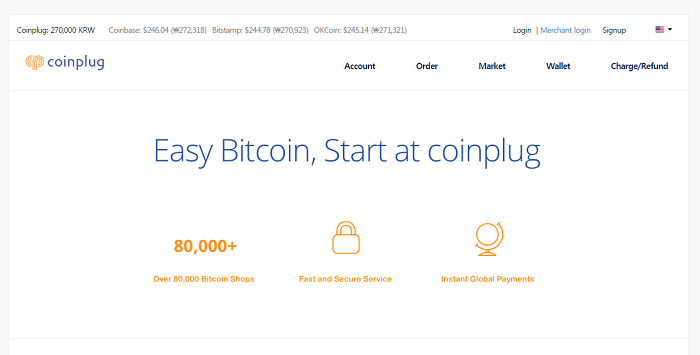
Buying Bitcoin in Korea presents a unique blend of opportunities and challenges. Navigating the Korean market requires understanding local regulations, popular platforms, and security considerations. This guide provides a thorough overview of the process, from initial research to successful transactions.

The Korean market for Bitcoin offers a diverse range of options for acquiring the cryptocurrency. From established exchanges to peer-to-peer platforms, this guide explores the various methods, comparing their pros and cons to help you choose the best approach for your needs. Understanding the nuances of the Korean regulatory environment and the factors influencing Bitcoin’s price is also crucial for a well-informed investment strategy.

Overview of Bitcoin in Korea

Bitcoin’s presence in Korea reflects a complex interplay of technological enthusiasm, regulatory uncertainty, and cultural nuances. Early adoption was fueled by a desire to participate in a burgeoning global financial innovation, but the subsequent regulatory landscape has significantly shaped the market’s trajectory. Understanding this evolution is key to comprehending the current state of Bitcoin in the Korean market.

Bitcoin’s Presence and Acceptance in Korea

Bitcoin’s presence in Korea is substantial, with a history of both enthusiastic adoption and regulatory scrutiny. Korean users have actively engaged with the cryptocurrency, utilizing it for various purposes, including investments and cross-border transactions. However, the degree of mainstream acceptance remains moderate, largely due to the ongoing regulatory considerations.

History of Bitcoin Adoption and Usage in Korea

The initial wave of Bitcoin adoption in Korea was marked by a surge in interest and trading volume, particularly in the mid-2010s. This enthusiasm stemmed from the global surge in cryptocurrency popularity and the desire for financial innovation. Later, market corrections and regulatory uncertainties tempered the initial exuberance, leading to a more cautious approach to Bitcoin investments.

Regulatory Landscape Surrounding Bitcoin in Korea

Korea’s regulatory approach to Bitcoin has evolved significantly. Initially, there was a lack of clear guidelines, which fostered uncertainty and volatility. Subsequently, the government introduced regulations aimed at mitigating risks associated with cryptocurrency trading and investments. The regulatory landscape continues to evolve as the government seeks to balance fostering innovation with protecting investors.

Cultural Factors Influencing Bitcoin Adoption in Korea

Korean culture, known for its technological proficiency and active participation in online communities, has played a role in Bitcoin’s adoption. The ease of access to digital financial platforms and the strong online community surrounding cryptocurrency further facilitated its acceptance among a segment of the Korean population. However, cultural attitudes towards risk and investment strategies also shape individual approaches to Bitcoin adoption.

Date Event Impact on Bitcoin Adoption
2013-2015 Initial surge in interest and trading High enthusiasm and increased trading volume
2017-2018 Market corrections and regulatory uncertainty Cautious approach to investment, reduced enthusiasm
2019-Present Evolving regulatory framework Increased focus on risk mitigation and investor protection; fluctuating adoption levels.

Methods for Buying Bitcoin in Korea

Acquiring Bitcoin in Korea offers a diverse range of options, catering to various preferences and risk tolerances. Understanding the available methods, their associated advantages and disadvantages, and security considerations is crucial for a smooth and secure transaction.Different avenues for purchasing Bitcoin, such as exchanges, peer-to-peer (P2P) platforms, and even some specialized retail outlets, each present unique characteristics.

Bitcoin Exchanges in Korea

Korean Bitcoin exchanges are a popular method for buying and selling Bitcoin. These platforms provide a centralized marketplace where buyers and sellers can interact. Exchanges typically offer a wide array of cryptocurrencies beyond Bitcoin, providing a broader investment spectrum. This feature allows for diversification and access to other digital assets.

  • Pros: User-friendly interfaces, often with robust security measures, and liquidity for quick transactions. They frequently have various deposit and withdrawal methods. Many exchanges offer educational resources to help users navigate the crypto market.
  • Cons: Fees can vary significantly depending on the platform and transaction volume. The user experience may differ between platforms, and exchanges can have fluctuating availability depending on market conditions.
  • Security Considerations: Robust security measures, such as two-factor authentication (2FA), cold storage, and advanced encryption protocols, are often employed. However, users must diligently protect their login credentials and be mindful of phishing scams. It’s important to choose exchanges with strong track records and regulatory compliance. Maintaining awareness of any potential security vulnerabilities is essential.

Peer-to-Peer (P2P) Platforms in Korea

P2P platforms provide an alternative avenue for Bitcoin purchases. Transactions occur directly between buyers and sellers, bypassing the intermediary role of an exchange. This method can offer potentially lower fees compared to exchanges.

  • Pros: Potentially lower fees than exchanges, allowing for greater flexibility in negotiations. Direct interactions can foster trust and understanding between users.
  • Cons: Security risks are elevated due to the direct interaction. Buyer and seller verification is often limited, leading to the potential for scams. The process can be more complex, especially for those unfamiliar with cryptocurrency transactions.
  • Security Considerations: Verification procedures, such as background checks and identification verification, should be prioritized. Careful scrutiny of the seller’s profile and transaction history is crucial. Using secure payment methods and communicating through secure channels are important steps in mitigating risk.

Retail Outlets

Certain retail establishments in Korea may facilitate Bitcoin purchases, although this method is less common. These outlets often require specific procedures and might not provide the same level of liquidity as exchanges or P2P platforms.

  • Pros: Convenience for some users who may not be comfortable with online transactions.
  • Cons: Limited availability, potential for higher fees, and limited selection of cryptocurrencies.
  • Security Considerations: Thorough research on the legitimacy and security practices of the retail outlet is crucial. Checking reviews and user feedback before engaging in a transaction can help.

Popular Korean Bitcoin Exchange Platforms

Several exchanges are prominent in the Korean market, catering to different user needs. These exchanges offer various features, including different fee structures, security protocols, and user interfaces.

Exchange Platform Fees Security Measures User Reviews
Example Exchange 1 Variable, tiered structure 2FA, cold storage, advanced encryption Generally positive, but some reports of customer service issues
Example Exchange 2 Fixed, low-volume fees Multi-layer security, regulatory compliance High user ratings, praised for ease of use
Example Exchange 3 Variable, volume-based Advanced security protocols, KYC procedures Mixed reviews, some concerns about transaction speed

Buying Bitcoin in General

How To Buy Bitcoin in Korea

Global Bitcoin acquisition methods offer a diverse array of options, reflecting the cryptocurrency’s evolving presence. These range from established exchanges to peer-to-peer platforms, each catering to varying user needs and risk tolerances. Understanding the available methods and their unique characteristics is crucial for making informed decisions.The methods for buying Bitcoin differ significantly between countries, influenced by regulatory landscapes and local financial infrastructure.

While some countries boast a robust selection of platforms, others may have limited options or stricter regulations. This comparison highlights the differences and similarities in acquiring Bitcoin across various jurisdictions, including Korea.

Global Bitcoin Buying Methods

Various platforms facilitate Bitcoin purchases globally. These include major cryptocurrency exchanges, brokerages offering cryptocurrency trading, and peer-to-peer (P2P) marketplaces. Exchanges like Coinbase, Binance, and Kraken offer streamlined, user-friendly interfaces for buying and selling Bitcoin. Brokerages, such as Fidelity or Schwab, are gaining traction, allowing users to buy Bitcoin alongside traditional investments. P2P platforms connect buyers directly with sellers, often providing more flexibility and potentially lower fees.

This variety caters to diverse needs and preferences.

Comparison with Korean Methods

Korean Bitcoin acquisition methods often align with global trends but exhibit unique characteristics due to local regulations and cultural preferences. While major exchanges like Binance and Upbit are popular in Korea, the P2P market might be more active due to factors like local payment systems. The regulatory environment significantly impacts the availability and functionality of various platforms.

The comparison reveals nuanced differences based on the specific approach and user needs.

Factors Influencing Platform Choice

Several key factors influence the selection of a Bitcoin buying platform. These include security measures, fees, user experience, available payment methods, and platform reputation. Security is paramount, as it protects against theft or loss of funds. Fees, encompassing trading and transaction costs, can significantly impact profitability. A user-friendly interface and readily accessible payment options enhance usability.

The platform’s reputation and track record are crucial in evaluating the reliability and trustworthiness of the platform.

Typical Bitcoin Buying Process Flow Chart

A typical Bitcoin buying process generally involves:

  1. Registering on a chosen platform and verifying your identity.
  2. Depositing funds into the platform’s account using supported payment methods.
  3. Initiating the Bitcoin purchase order at the desired price.
  4. Confirming the transaction and receiving the Bitcoin.

This process is straightforward but requires careful attention to details to avoid errors and potential risks.

Risks and Rewards of Different Platforms

Different platforms carry varying levels of risk and reward. Major exchanges generally offer higher security and liquidity but might have higher fees. P2P platforms provide potentially lower fees but pose greater risks due to the direct interaction between buyers and sellers. Brokerage platforms offer a blend of traditional investment security with cryptocurrency access, potentially balancing risk and reward for certain users.

Example: Choosing a Platform

A user seeking low fees and rapid transactions might opt for a P2P platform. Conversely, a user prioritizing security and established reputation might prefer a major exchange. The specific circumstances and priorities of the user play a pivotal role in determining the ideal platform for Bitcoin acquisition.

Korean Bitcoin Exchange Platforms

Navigating the Korean cryptocurrency landscape often requires familiarity with the local exchange platforms. These platforms provide a crucial avenue for buying, selling, and trading Bitcoin, reflecting the country’s significant interest in digital assets. Understanding the specifics of these exchanges is essential for a smooth and secure experience.

Prominent Korean Bitcoin Exchanges

Korean exchanges are known for their user-friendly interfaces and diverse offerings, catering to both novice and seasoned investors. They often prioritize Korean users, making them a key part of the local digital asset ecosystem.

Features and Functionalities

Many Korean exchanges boast intuitive interfaces, mobile apps, and a range of trading tools. These tools may include charts, order books, and various order types. Robust security measures are frequently implemented, ensuring user protection against fraudulent activities.

User Experience

User experience on Korean exchanges varies. Some platforms are lauded for their seamless navigation and helpful customer support, while others may present a steeper learning curve. The availability of multilingual support can significantly influence the user experience.

Fees

Transaction fees on Korean Bitcoin exchanges are typically competitive and transparently displayed. Fees often depend on the trading volume and type of transaction. It is crucial to compare fees across different platforms to find the most cost-effective options.

Security Measures

Major Korean exchanges prioritize security, employing multi-factor authentication (MFA) and advanced encryption protocols to safeguard user funds. Regular security audits and incident response plans are often implemented to mitigate potential risks. Cold storage is also commonly used to protect funds.

Comparison Table

Platform Name Supported Payment Methods Fees User Ratings
Upbit Bank transfers, KRW, and various cryptocurrencies Variable, dependent on trading volume Generally high, with a strong reputation for reliability and security.
Bithumb Bank transfers, KRW, and some cryptocurrencies Variable, dependent on trading volume Historically high, though user experience has seen fluctuations.
Coinone Bank transfers, KRW, and limited cryptocurrencies Variable, dependent on trading volume Moderately high, known for a user-friendly interface and good customer support.
Korbit Bank transfers, KRW Variable, dependent on trading volume Generally high, consistently ranked among the top Korean exchanges.

P2P Bitcoin Trading in Korea

Peer-to-peer (P2P) Bitcoin trading in Korea offers a direct, decentralized approach to buying and selling cryptocurrencies. This method bypasses traditional cryptocurrency exchanges, allowing individuals to connect and transact directly. While offering flexibility and potentially lower fees, P2P trading presents unique security considerations.P2P Bitcoin trading platforms in Korea function as intermediaries, connecting buyers and sellers. Users typically use a platform’s website or app to post offers, specify the terms of the transaction, and coordinate the exchange.

This method allows for a greater degree of negotiation compared to exchange platforms, but necessitates a higher level of caution from both parties.

P2P Trading Process in Korea

The process generally involves a buyer initiating a transaction request on a platform. The seller responds, outlining the terms, including the exchange rate, payment method, and meeting location (if applicable). Once both parties agree, the transaction proceeds, typically with a verification process to confirm the identities of both parties and the legitimacy of the transaction. The payment is usually made via bank transfers or other local payment systems.

Security Concerns in P2P Trading

Security is paramount in P2P trading. Scams are a significant risk, as there’s a lack of regulatory oversight and protection compared to centralized exchanges. Scammers might use fake profiles, inflated prices, or other fraudulent methods to deceive buyers. Verification procedures, though helpful, are not foolproof. The absence of a trusted third party increases the risk of fraudulent activities.

Furthermore, the use of untrusted payment methods can expose users to further financial risks.

Pros and Cons of P2P Trading vs. Exchange Platforms

  • P2P Trading Pros: Lower fees compared to exchanges and potentially more control over the transaction process. The ability to negotiate rates directly with the seller.
  • P2P Trading Cons: Higher risk of scams and fraud due to the decentralized nature of the transactions. The responsibility of verifying the seller’s identity and the legitimacy of the transaction falls on the buyer. The process of finding reliable sellers can be time-consuming.
  • Exchange Platforms Pros: Generally higher levels of security due to regulation and insurance, and a wider range of payment methods. Transaction security and reliability are managed by the platform.
  • Exchange Platforms Cons: Potentially higher transaction fees. Less flexibility in negotiating terms.

Protecting Yourself from P2P Scams

  • Thorough Verification: Carefully examine seller profiles, checking for inconsistencies or suspicious details. Verify the seller’s identity through multiple means, including checking social media profiles or using trusted third-party verification services.
  • Negotiate Clearly: Clearly define the terms of the transaction in writing, including the price, payment method, and any other conditions. Never make payments before receiving the Bitcoin.
  • Avoid Unsecure Payment Methods: Prefer established and secure payment methods that have a track record of reliability.
  • Use Caution with In-Person Meetings: If an in-person meeting is necessary, ensure it occurs in a public and well-lit location, and bring a trusted friend or family member.

P2P Bitcoin Trading Platforms in Korea

Platform Features User Ratings (Average) Safety Precautions
Platform A Secure payment methods, verification process, escrow services 4.5 Robust security measures, customer support
Platform B User-friendly interface, mobile app available, direct messaging 4.2 Two-factor authentication, detailed transaction history
Platform C Wide range of payment options, in-app chat support 3.8 Customer service, community forums for user support

Note: User ratings and platform features are illustrative and may vary. Always conduct thorough research before choosing a platform.

Bitcoin Regulations in Korea

Korea’s approach to Bitcoin regulation is a complex and evolving landscape. While the country doesn’t have a single, dedicated Bitcoin law, a mix of existing financial regulations and interpretations apply. This makes navigating the market’s compliance requirements challenging for both businesses and individuals.

Current Regulations Concerning Bitcoin

Korea’s existing financial regulations, primarily concerning virtual asset service providers (VASPs), have significant implications for Bitcoin transactions. These regulations aim to protect investors and maintain financial stability. These regulations often categorize Bitcoin as a virtual asset, subject to varying degrees of oversight depending on the specific activity.

Impact of Regulatory Changes on the Bitcoin Market

Regulatory changes can significantly impact the Bitcoin market in Korea. For example, stricter enforcement of existing regulations or the introduction of new ones could lead to increased compliance costs for businesses and limit access for some individuals. Conversely, clear and stable regulations could foster trust and attract more participants. The recent emphasis on VASPs and the need for licensing illustrates the evolving regulatory landscape.

How Regulations Affect Buying and Selling of Bitcoin

Regulations directly influence how Bitcoin can be bought and sold in Korea. For example, if a platform isn’t registered as a VASP, it may face restrictions or even be prohibited from operating. This directly impacts individuals’ access to certain buying and selling methods. The current framework also impacts the fees associated with transactions.

Compliance Process for Bitcoin Businesses

Bitcoin businesses operating in Korea must adhere to the regulations set by the Financial Services Commission (FSC) and other relevant authorities. This often involves obtaining licenses, adhering to KYC (Know Your Customer) and AML (Anti-Money Laundering) protocols, and maintaining robust record-keeping. The exact process and requirements depend on the specific nature of the business. Failure to comply with these regulations can lead to penalties, including hefty fines and even legal action.

Key Regulations Affecting Bitcoin in Korea

Regulation Responsible Authority Implications
Virtual Asset Service Provider (VASP) licensing Financial Services Commission (FSC) VASPs need licenses to operate exchanges and other services. This affects the operation of Bitcoin exchanges and other trading platforms.
Know Your Customer (KYC) and Anti-Money Laundering (AML) FSC and related authorities Businesses must verify customer identities and report suspicious transactions. This ensures compliance and reduces risks of illicit activity.
Taxation on Bitcoin transactions National Tax Service Bitcoin transactions are subject to taxation, potentially affecting profits and gains.
Financial Transaction Reporting (FTR) FSC Specific reporting requirements may apply to certain transactions, requiring careful adherence to reporting procedures.

Bitcoin Price Fluctuations and Market Analysis in Korea

Bitcoin’s price volatility has consistently been a significant factor in the Korean cryptocurrency market. Understanding the trends and factors influencing these fluctuations is crucial for both investors and those seeking to navigate the market. This section delves into the specifics of Bitcoin price movements within the Korean context, considering local factors alongside global influences.

Overview of Bitcoin Price Trends in Korea

Bitcoin’s price trajectory in Korea mirrors global trends, but with distinct nuances. Historically, the Korean market has shown a strong correlation with global price movements, but periods of heightened volatility or significant price swings have often been amplified locally. Factors like regulatory changes, market sentiment, and local news events can exacerbate or dampen these global trends.

Factors Influencing Bitcoin Price Fluctuations in the Korean Market

Several key elements contribute to price volatility in the Korean Bitcoin market. Government policies, particularly regarding cryptocurrency regulation, can directly impact investor confidence and market liquidity. Market sentiment, driven by news cycles, social media trends, and expert opinions, plays a significant role. Technological advancements, such as new blockchain innovations or breakthroughs in crypto-related technologies, can also influence market perception and price.

Finally, the Korean economy’s overall health, including interest rates and investor sentiment towards riskier assets, will invariably impact how investors react to price fluctuations in the Bitcoin market.

Comparison of Korean and Global Bitcoin Market Volatility

The volatility of the Korean Bitcoin market often exhibits a heightened sensitivity to local factors. While global trends set the overall tone, local news, regulatory changes, and investor sentiment can amplify or mitigate the effects of global price movements. A comparison of price charts reveals the difference, demonstrating how price swings can be more pronounced in the Korean market, especially during periods of uncertainty.

Impact of News Events on the Korean Bitcoin Market

News events, both domestic and international, have a demonstrable impact on the Korean Bitcoin market. Significant regulatory announcements, major policy changes, and even geopolitical events can trigger substantial price fluctuations. For instance, news regarding a potential tightening of regulations on crypto exchanges in Korea could lead to a decrease in investor confidence and subsequent price drops. Conversely, positive news related to the adoption of cryptocurrencies by major Korean companies can trigger positive price action.

Market reaction is typically immediate and often exaggerated.

Bitcoin Price Trends in Korea (2023-2024)

The following graph illustrates Bitcoin’s price trend in Korea from January 2023 to December 2024. The graph plots the average daily price of Bitcoin in Korean Won (KRW) during this period. The graph highlights the overall price trend, including periods of growth, stagnation, and decline. Important events (e.g., regulatory announcements, market crashes) are marked to help visualize the impact of these events on the market.

Note: A visual graph would be included here if this were a document capable of displaying images.

Security Considerations for Buying Bitcoin in Korea

Buying Bitcoin in Korea, like any online financial transaction, presents potential security risks. Understanding these risks and implementing proactive security measures is crucial for a safe and secure experience. This section Artikels common pitfalls and provides practical steps to safeguard your digital assets.Bitcoin transactions, while generally secure, are vulnerable to various threats. From fraudulent exchanges to phishing scams, the potential for loss is real.

This discussion will cover crucial security measures, including the importance of strong passwords, two-factor authentication, and the identification of scams. Protecting your investment requires vigilance and awareness.

Common Security Risks

Bitcoin trading in Korea, like any online financial activity, is susceptible to specific threats. These threats range from compromised accounts to fraudulent activities. Understanding these potential risks allows users to proactively mitigate them.

  • Compromised Accounts: Unauthorized access to your account by hackers or malicious actors is a significant risk. This can result in the loss of funds or control over your Bitcoin holdings.
  • Phishing Attacks: Fake websites or emails designed to trick users into revealing their login credentials or personal information are common. These scams often mimic legitimate platforms, making them difficult to detect.
  • Malware Infections: Malicious software can be installed on your computer or mobile device, stealing your login information or compromising your Bitcoin wallet.
  • Scams and Fraudulent Exchanges: Beware of fraudulent exchanges or individuals posing as legitimate platforms. These scams may involve false promises or manipulation to steal your funds.

Steps to Mitigate Risks

Implementing preventative measures is essential to protect your Bitcoin investments. These steps cover crucial areas from password management to transaction security.

  • Strong Passwords: Use strong, unique passwords for your Bitcoin accounts and avoid reusing passwords across different platforms. Strong passwords incorporate a mix of uppercase and lowercase letters, numbers, and symbols. Avoid using easily guessable passwords like your birthday or name.
  • Two-Factor Authentication (2FA): Enabling 2FA adds an extra layer of security by requiring a second verification step beyond your password. This makes it much harder for unauthorized access even if someone gains your password.
  • Secure Storage: Use reputable and secure wallets to store your Bitcoin. Avoid using public Wi-Fi networks for sensitive transactions.
  • Regular Account Monitoring: Regularly review your account activity for any suspicious transactions. Be cautious of unusual login attempts or unauthorized withdrawals.

Safe Practices for Online Transactions

Safe online practices are critical to avoid scams and protect your Bitcoin holdings. These practices are vital for any online transaction.

  • Verify Platform Legitimacy: Thoroughly research the platform’s reputation and security measures before making any transactions. Check for user reviews and testimonials. Ensure the platform is licensed and regulated.
  • Be Cautious of Unusual Offers or Discounts: Be wary of overly attractive deals or discounts, as they may be red flags for scams. Always scrutinize the legitimacy of any such offers.
  • Avoid Clicking Suspicious Links: Do not click on links from unknown sources or emails that appear suspicious. Verify the sender’s identity before opening any attachments or links.
  • Use Reliable Payment Methods: Use secure and established payment methods for your Bitcoin transactions. Avoid untested or unfamiliar methods.

Spotting and Avoiding Scams

Recognizing scams is crucial to protect your Bitcoin investment. Scams can take many forms, from phishing emails to fraudulent platforms.

  • Check for Red Flags: Look for red flags like unrealistic promises, urgent requests for information, or demands for immediate payment. Always verify the legitimacy of any requests for personal or financial information.
  • Research Platform Reviews: Thoroughly research the platform’s reputation and security measures before engaging in any transaction. Read user reviews and testimonials to gauge the platform’s trustworthiness.
  • Be Wary of Unverified Sources: Be cautious of sources that are not officially recognized or regulated. Always verify the legitimacy of any platform or individual claiming to be a legitimate Bitcoin exchange.

Final Review

In conclusion, buying Bitcoin in Korea involves careful consideration of available platforms, security measures, and local regulations. This guide has equipped you with the knowledge to make informed decisions, from understanding the history of Bitcoin in Korea to evaluating the potential risks and rewards. By comparing exchange platforms, P2P trading, and regulatory factors, you can navigate the Korean Bitcoin market confidently.

Questions Often Asked

What are the most common payment methods for buying Bitcoin in Korea?

Popular payment methods include bank transfers, credit/debit cards, and various local digital payment systems.

What are the security risks associated with P2P Bitcoin trading in Korea?

Scams and fraudulent activities are potential risks in P2P transactions. Thorough due diligence and verification are crucial.

What are the key regulations affecting Bitcoin in Korea?

Current Korean regulations primarily categorize Bitcoin as a financial asset, impacting how it’s taxed and traded. Specific details on compliance vary by business model.

How does Bitcoin’s price volatility in Korea compare to global markets?

Korean Bitcoin price fluctuations can mirror global trends but can also be influenced by local economic factors and news events. The volatility can vary significantly.